
As a beginner, stepping into the world of meal prep can be intimidating. The idea of cooking and portioning out meals for the week ahead seems like a daunting task, especially when you're new to it. But trust me, with a few simple strategies and some inspiration, you can make meal prep a sustainable and enjoyable part of your routine.
Getting Started with Meal Prep
The first step to successful meal prep is to understand its benefits. By preparing your meals in advance, you can save time during the week, eat healthier, and reduce stress. Imagine coming home from a long day, knowing that a delicious, home-cooked meal is waiting for you in the fridge. That's what meal prep can do for you.
To get started, you'll need some basic kitchen tools and a plan. Here are a few essentials to consider:
A set of reusable containers for storing and transporting your meals
A sharp knife and cutting board for prep work
A slow cooker or Instant Pot for hands-off cooking
A meal planning app or calendar to stay organized
Simple Meal Prep Ideas for Beginners
When it comes to meal prep, it's essential to start small. Don't try to cook a week's worth of meals in one day if you're new to it. Begin with a few simple recipes and gradually increase your output as you become more comfortable.
Here are some easy meal prep ideas to get you started:
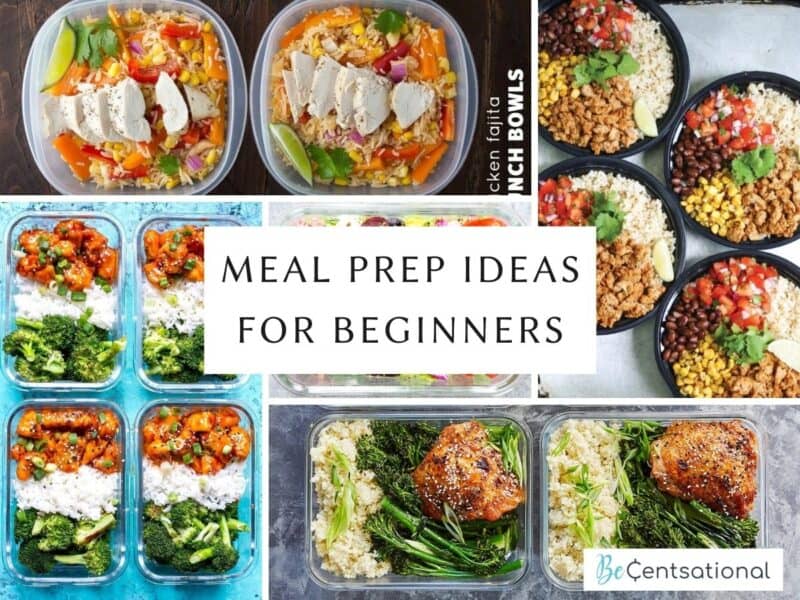
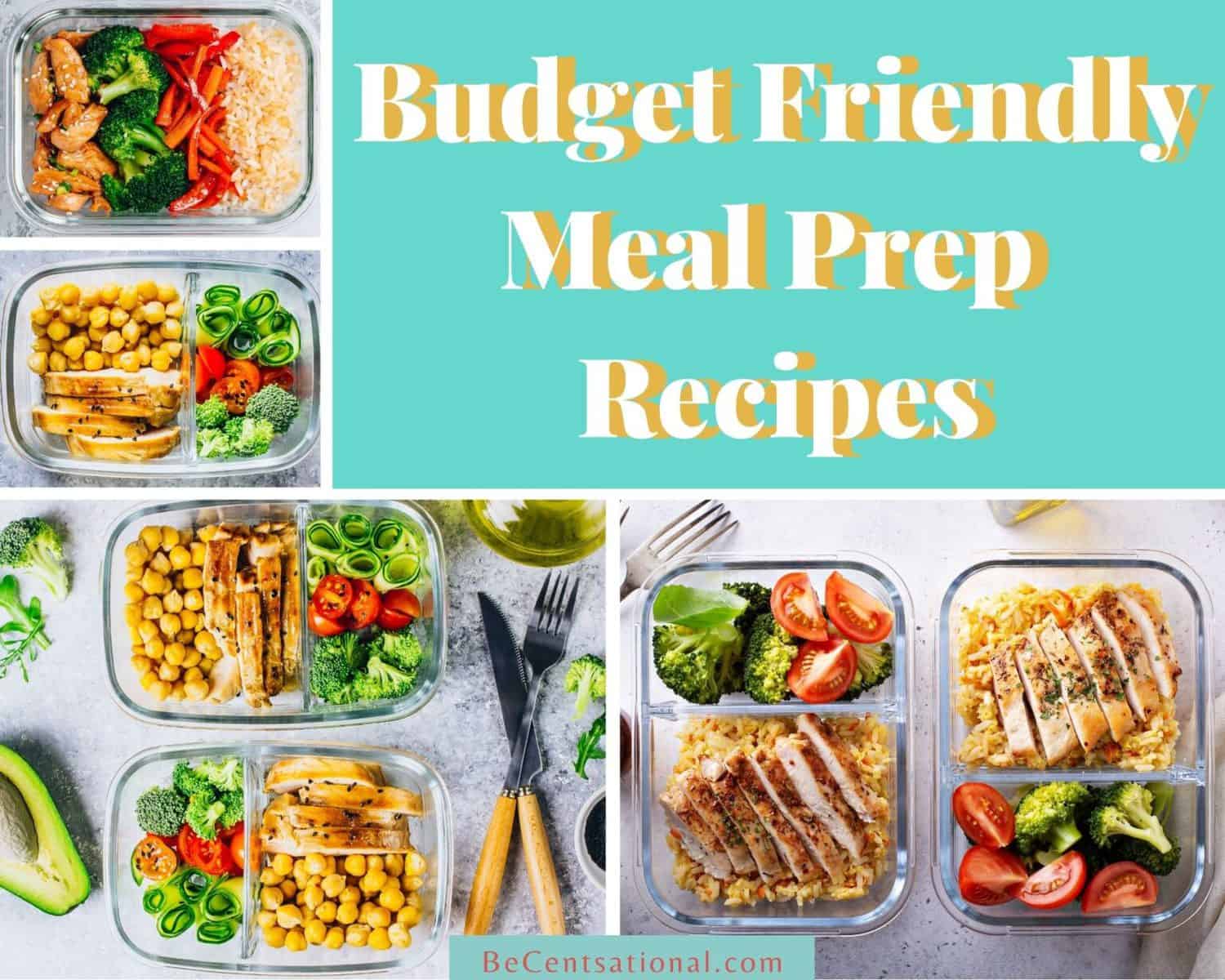
Grilled Chicken and Veggies: Marinate chicken breast and grill it with your favorite vegetables, such as broccoli, carrots, and bell peppers. Portion out into individual containers for a quick and easy lunch or dinner.
Salad Jars: Prepare a week's worth of salad jars by layering greens, vegetables, and proteins like beans, chicken, or tofu in a jar. Add a simple vinaigrette, and you're good to go.
Slow Cooker Meals: Throw all the ingredients for a hearty stew or chili into a slow cooker and let it cook while you're busy with other things. Portion out into individual containers for a convenient meal.
Meal Prep for Specific Dietary Needs
One of the best things about meal prep is that it can be tailored to your specific dietary needs. Whether you're vegan, gluten-free, or following a specific macronutrient plan, meal prep can help you stay on track.
Here are some tips for meal prepping with specific dietary needs:
Vegan Meal Prep: Focus on plant-based protein sources like beans, lentils, and tofu. Experiment with different grains like quinoa, brown rice, and farro.
Gluten-Free Meal Prep: Choose gluten-free grains like rice, quinoa, and corn. Be mindful of cross-contamination with gluten-containing foods.
Common Meal Prep Mistakes to Avoid
As a beginner, it's easy to get caught up in the excitement of meal prep and make a few rookie mistakes. Here are some common pitfalls to avoid:
Overcooking: Cook meals in bulk, but avoid overcooking, which can lead to dry, unappetizing food.
Not labeling containers: Clearly label your containers with the date, meal name, and ingredients to avoid confusion.
Meal Prep on a Budget
One of the biggest misconceptions about meal prep is that it's expensive. While it's true that some meal prep ingredients can be pricey, there are ways to do it on a budget.
Here are some tips for meal prepping on a budget:
Shop sales: Plan your meals around seasonal produce and sales.
Buy in bulk: Purchase grains, beans, and other pantry staples in bulk to save money.
Staying Motivated with Meal Prep
The key to successful meal prep is consistency. Here are a few tips to help you stay motivated:
Find a meal prep buddy: Share recipes and cooking duties with a friend to make meal prep more enjoyable.
Mix it up: Experiment with new recipes and ingredients to avoid boredom.
Frequently Asked Questions
Here are some common questions about meal prep:
Q: How long does meal prep take?
Meal prep can take anywhere from 30 minutes to several hours, depending on the complexity of your recipes and the number of meals you're preparing.
Q: Can I meal prep if I'm a picky eater?
Absolutely! Meal prep is all about finding recipes that work for you and your taste preferences.
Q: How do I store my meal prep containers?
Store your meal prep containers in the fridge or freezer, depending on the type of food and how long you plan to keep it.
Conclusion
Meal prep is a powerful tool for anyone looking to save time, eat healthy, and reduce stress. By starting small, experimenting with new recipes, and avoiding common mistakes, you can make meal prep a sustainable part of your routine. Remember to stay motivated, mix it up, and find a meal prep buddy to help you stay on track. Happy cooking!
