
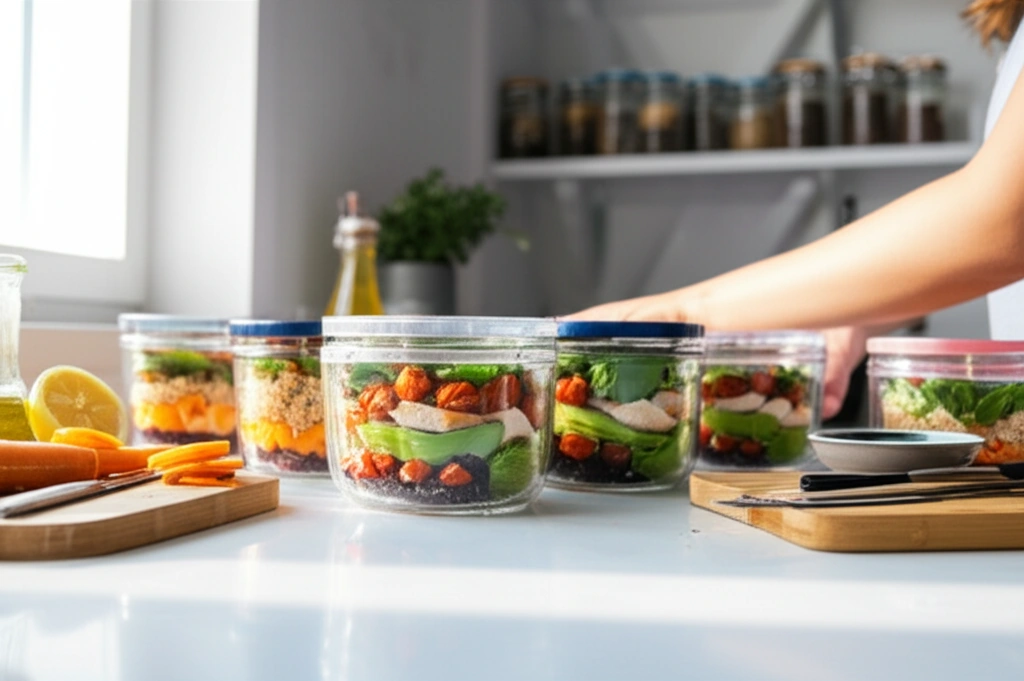
As someone who's likely no stranger to the chaos of daily life, you're probably aware of the perpetual quest for a balance between health, convenience, and flavor in your meals. Meal prep – the practice of planning, shopping, and preparing meals in advance – has become a popular strategy for achieving this balance. But with so many ideas and methods floating around, it can be hard to know where to start or what will truly work for you.
Getting Started with Meal Prep
The first step in any successful meal prep journey is understanding your goals. Are you looking to save time during the week? Eat healthier? Reduce food waste? Or perhaps you're aiming for a combination of these benefits. Once you have a clear idea of what you want to achieve, you can start making informed decisions about your meal prep strategy.
One of the simplest and most effective approaches to meal prep is to start small. Instead of trying to plan and prepare every meal for the week in one go, begin with one or two meals and see how it goes. This will help you gauge your interest, figure out your favorite recipes, and adjust your strategy as needed.
Planning Your Meals
Planning is a crucial component of meal prep. It not only helps ensure that you have a steady supply of healthy meals but also aids in reducing food waste and saving money. When planning your meals, consider your schedule for the week, your dietary goals, and what's already in your pantry and fridge.
Here's a simple way to plan your meals:
- Identify Your Meals: Decide on the meals you want to prep for the week. Consider breakfast, lunch, dinner, and snacks.
- Check Your Pantry and Fridge: Before you make a grocery list, take stock of what you already have at home. This will prevent you from buying duplicates and reduce waste.
- Choose Recipes: Look for simple recipes that can be prepared in bulk. Websites like Allrecipes, Food.com, and Mealime offer a wide variety of meal prep ideas.
Shopping Smart
Shopping smart is about more than just making a list and checking it twice. It's about being strategic with your grocery shopping to ensure you're getting the best value for your money.
When you're meal prepping, it's a good idea to buy in bulk. Items like rice, pasta, and canned goods can often be purchased in larger quantities, which not only saves you money in the long run but also ensures you have a steady supply of staples.
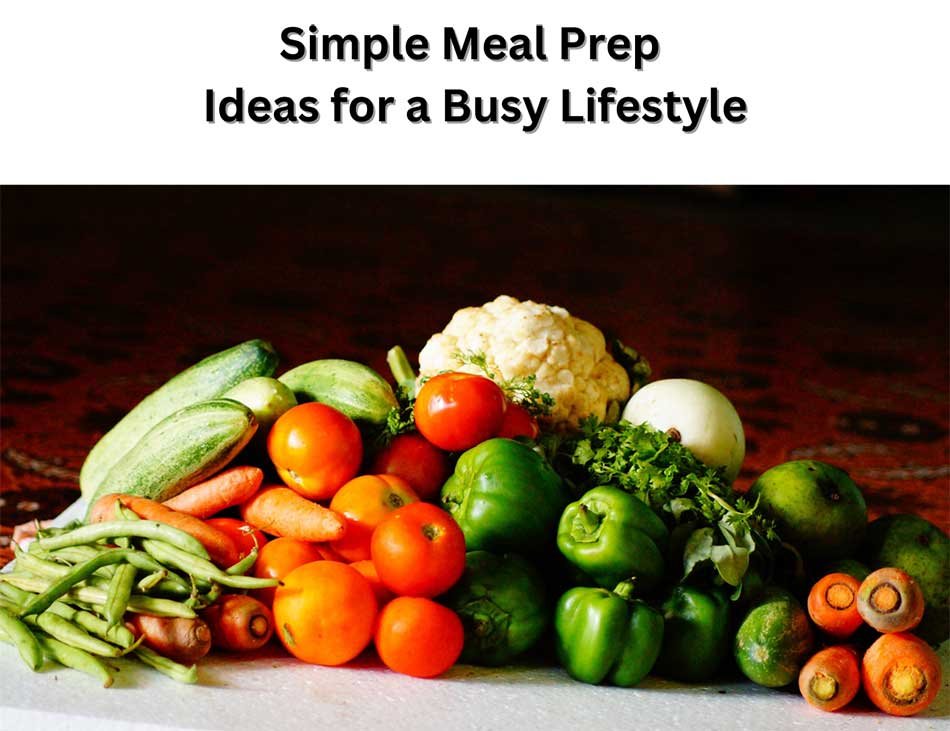
Bulk Buying Tips:
- Grains: Buy brown rice, quinoa, and whole grains in bulk.
- Canned Goods: Stock up on canned beans, tomatoes, and fish.
- Fresh Produce: Consider buying a weekly or bi-weekly subscription to a local farmer's market or CSA (Community Supported Agriculture) program.
Preparing Your Meals
Preparation is where the magic happens. With your meals planned and your groceries in hand, it's time to start cooking.
One of the most straightforward meal prep techniques is batch cooking. This involves preparing large batches of a single ingredient or a complete meal that can be portioned out throughout the week. For example, cooking a big pot of chili or a large batch of roasted vegetables can provide you with lunches or dinners for several days.
Batch Cooking Essentials:
- Containers: Invest in a set of reusable containers that are microwave and dishwasher safe.
- Portion Control: Use a digital scale or measuring cups to portion out your meals.
Comparing Meal Prep Methods
| Method | Time Commitment | Flexibility | Cost-Effectiveness |
|---|---|---|---|
| Batch Cooking | High | Medium | High |
| Individual Meal Prep | Medium | High | Medium |
| Overnight Meals | Low | Low | Low |
Each method has its pros and cons. Batch cooking can save a significant amount of time but requires a larger upfront investment. Individual meal prep offers more flexibility but can be more time-consuming. Overnight meals are quick and easy but may not be as cost-effective.
"The key to successful meal prep isn't about doing it perfectly; it's about finding a system that works for you and your lifestyle. It's okay to experiment and adjust your approach as needed." - Emily, Meal Prep Enthusiast
Common Mistakes to Avoid
When starting out with meal prep, it's easy to get caught up in the excitement and make a few common mistakes. Here are a few to watch out for:
- Overplanning: Don't try to prep too many meals at once. Start small and scale up as you get more comfortable.
- Not Considering Your Schedule: Make sure you have time to cook and reheat your meals.
- Ignoring Food Safety: Always store your meals in airtight containers and reheat to the proper temperature.
Frequently Asked Questions
Q: How long do meal prep meals last?
The shelf life of meal prep meals varies depending on the ingredients and storage conditions. Generally, meals can last 3 to 5 days when stored in the refrigerator.
Q: Can I freeze my meal prep?
Yes, many meal prep meals can be frozen for later use. Just be sure to use freezer-safe containers and to label them with the date.
Q: How do I prevent my meals from getting boring?
Mix and match different ingredients, try new recipes, and incorporate a variety of spices and seasonings to keep your meals interesting.
Keeping It Real
The most crucial aspect of meal prep is sustainability. It's not about following a specific diet or adhering to a rigid plan; it's about making healthy eating a natural part of your lifestyle. By finding a meal prep strategy that works for you, you'll be more likely to stick with it and enjoy the benefits of healthier eating and more free time.
In the end, meal prep is a personal journey. What works for one person might not work for another. The key is to experiment, be patient, and find a rhythm that fits your lifestyle. With a little creativity and planning, you can make meal prep a simple and enjoyable part of your daily routine.
Related: Crafting the Perfect Job Offer: A Free Template to Simplify
Related: A Practical Guide to Popular Small Business Ideas Online
