
Nutrition and Diet: The Foundation of Canine Health
When it comes to caring for our canine companions, few aspects are as crucial as nutrition. A well-balanced diet is the cornerstone of a dog's overall health, influencing everything from their energy levels and coat condition to their immune function and longevity. But with the myriad of dog food options available, selecting the right one can be daunting. Should you opt for premium kibble, consider a raw diet, or perhaps a mix of both?
The key is understanding your dog's specific needs, which are determined by factors such as their age, breed, size, and health status. For instance, puppies require diets rich in protein to support their rapid growth and development, while older dogs may benefit from joint support and fewer calories to maintain a healthy weight. It's also essential to be aware of common dietary pitfalls, such as overfeeding, which can lead to obesity and a host of related health issues.
Key Nutritional Considerations
- Protein Content: Ensure the food contains high-quality protein sources.
- Grain and Carbohydrates: Understand the role of grains and carbs in your dog's diet.
- Vitamins and Minerals: Essential for overall health, including Omega-3 fatty acids for coat and skin health.
Grooming: Beyond the Surface
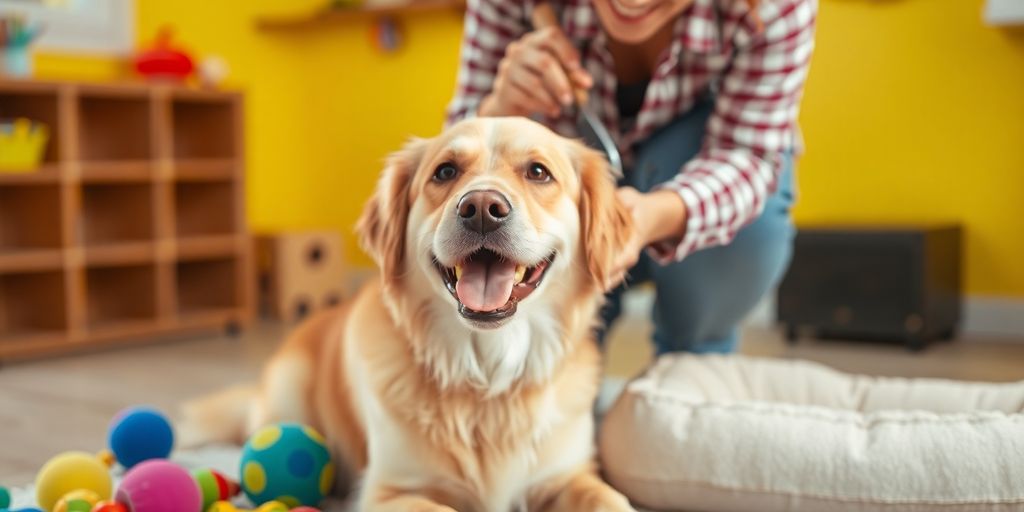
Grooming is often seen as a superficial aspect of dog care, but its benefits extend far beyond aesthetics. Regular grooming sessions are crucial for maintaining your dog's skin and coat health, reducing shedding, and preventing issues such as matting and tangling. Moreover, grooming is an excellent opportunity to check for signs of skin infections, fleas, ticks, and other parasites.
The frequency of grooming sessions depends on your dog's breed, coat type, and lifestyle. For example, dogs with long, thick coats may require daily brushing, while short-haired breeds might only need occasional grooming. Don't forget about nail trimming, ear cleaning, and dental care, all of which are integral parts of a comprehensive grooming routine.
Training: The Path to a Harmonious Relationship
Training is an indispensable part of dog care, fostering a strong, respectful bond between you and your dog. It's not merely about teaching tricks or obedience commands; it's about establishing clear communication, setting boundaries, and ensuring your dog's safety and well-being.
Positive reinforcement techniques, such as reward-based training, are highly effective and promote a positive relationship. Consistency and patience are key, as is understanding that training is an ongoing process. Whether you're housebreaking a puppy or addressing behavioral issues in an older dog, the principles of good training remain the same.
Training Tips
- Start Early: The sooner you begin, the better.
- Be Consistent: Clear, consistent commands help avoid confusion.
- Use Positive Reinforcement: Rewards encourage good behavior.
Health Checks and Preventative Care
Regular health checks are vital for early detection of potential health issues. These check-ups allow your veterinarian to monitor your dog's health, provide vaccinations, and offer preventative care advice. Preventative measures, such as heartworm medication, flea and tick control, and regular dental check-ups, can significantly impact your dog's quality of life.
Staying informed about common health issues in your dog's breed can also help you identify potential problems early. For example, certain breeds are prone to hip dysplasia, while others may be more susceptible to eye problems.

Creating a Safe Environment
Your home can be a hazardous place for dogs if you're not careful. From toxic substances to electrical cords, there are numerous dangers lurking in every room. Dog-proofing your home is an essential step in ensuring your dog's safety.
This includes securing toxic substances out of reach, blocking off areas you don't want your dog to access, and ensuring your yard is securely fenced. Providing a comfortable and safe space for your dog to rest is also crucial, as is ensuring they get enough physical and mental stimulation.
FAQs
Q: How often should I take my dog to the vet?
At least once a year for a check-up, more frequently as recommended by your vet based on your dog's health.
Q: Can I feed my dog a homemade diet?
Yes, but ensure it's well-balanced and meets your dog's nutritional needs. Consult with a vet or canine nutritionist.
Q: How much exercise does my dog need?
Depends on breed, age, and health. Generally, dogs need at least 30 minutes of exercise a day.
Q: Why is dental care important for dogs?
Prevents dental disease, which can lead to serious health issues if left untreated.
Closing
Caring for a dog is a multifaceted endeavor that requires attention to their nutrition, grooming, training, health, and environment. By understanding and addressing these aspects, you can ensure your dog leads a happy, healthy life. The journey of dog ownership is filled with challenges and rewards, and with the right approach, you and your canine companion can enjoy a fulfilling and loving relationship.
Related: Care Tips for Dogs
