
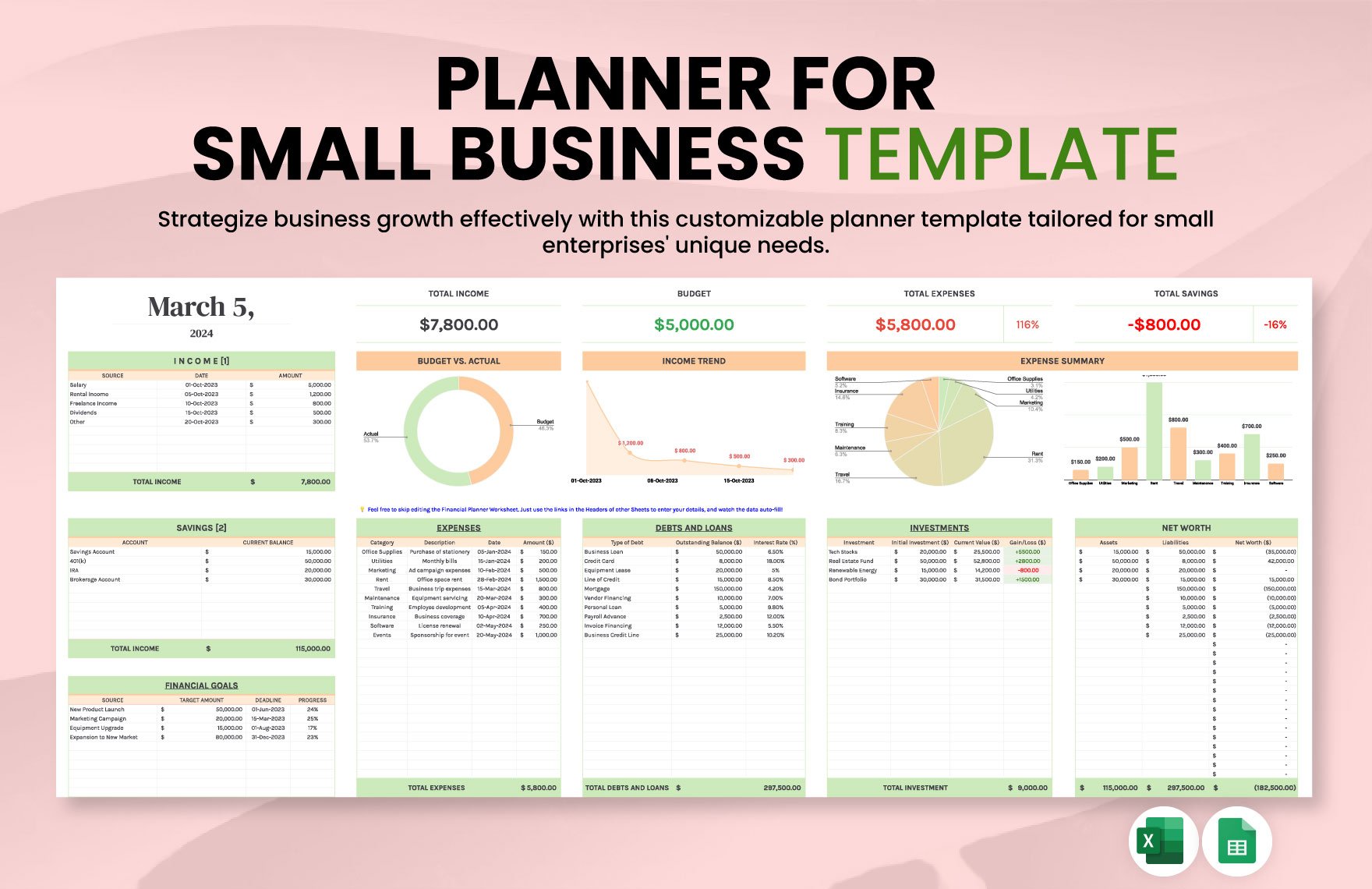
As a small business owner, you wear many hats. You're the CEO, the marketing team, the sales team, and often, the janitor. But despite your many responsibilities, one thing is crucial to the success of your business: a solid plan. A business plan isn't just a document; it's a roadmap for your company, outlining where you are, where you want to go, and how you plan to get there. Without it, you're navigating through unfamiliar territory without a compass.
Understanding the Importance of a Business Plan
A business plan serves multiple purposes. It helps you clarify your business goals, identify potential weaknesses, and make informed decisions about resources and strategy. For small businesses, a well-crafted plan is especially critical. It can help you secure funding, attract investors, and guide your daily operations. But perhaps most importantly, a business plan helps you stay focused on your long-term vision, ensuring that every decision you make aligns with your overall strategy.
Choosing the Right Business Plan Template
With so many business plan templates available, choosing the right one can be overwhelming. You want a template that's comprehensive but not overly complex, something that guides you through the planning process without bogging you down in unnecessary details. A good template should cover the essentials: executive summary, company description, market analysis, product or service line, marketing and sales strategy, financial projections, and funding requirements.
Key Components of a Business Plan Template
- Executive Summary: A brief overview of your business, including your mission statement, product or service, target market, and financial goals.
- Company Description: Detailed information about your business, including its history, structure, and team.
- Market Analysis: An analysis of your industry, target market, and competitors.
- Product or Service Line: A description of what you offer, including its features, benefits, and life cycle.
- Marketing and Sales Strategy: Your plan for reaching and selling to your target market.
- Financial Projections: Financial statements, including income statements, balance sheets, and cash flow statements, that project your business's financial performance over a certain period.
- Funding Requirements: A clear statement of how much funding you need and how you plan to use it.
Creating Your Business Plan
With your template in hand, it's time to start filling in the details. Begin with your executive summary, but don't worry too much about getting it perfect on the first try. This section is often written last, after you've fleshed out the rest of your plan.
Your company description should provide a clear understanding of your business's purpose, goals, and current status. Be concise but thorough, ensuring that anyone reading your plan can grasp what your business does and what makes it unique.

Conducting a Market Analysis
Your market analysis is a critical component of your business plan. It demonstrates your understanding of the industry and market in which you operate. This section should include:
Industry Overview: A brief description of your industry, including its size, growth rate, and trends.
Target Market: A detailed description of your ideal customer, including demographics, needs, and buying behavior.
Competitive Analysis: An assessment of your main competitors, including their strengths, weaknesses, and market share.
Developing Your Marketing and Sales Strategy
Your marketing and sales strategy should outline how you plan to reach and engage with your target market. This might include social media marketing, content marketing, email marketing, and traditional advertising. Be specific about which channels you'll use and how you'll measure success.
Financial Projections and Funding
Your financial projections should provide a realistic picture of your business's financial future. This includes projected income statements, balance sheets, and cash flow statements. Be conservative in your estimates, and make sure to include a break-even analysis.
If you're seeking funding, your plan should clearly state how much you need and how you plan to use it. Be prepared to justify your funding requirements with detailed financial projections and a solid business strategy.
Common Mistakes to Avoid
When creating your business plan, there are several common mistakes to avoid:
Being too vague: Your plan should be specific and detailed, providing a clear roadmap for your business.
Overestimating financial projections: Be conservative in your financial estimates to avoid disappointing investors or stakeholders.
Ignoring your competition: A thorough competitive analysis is crucial to understanding your market and positioning your business for success.
Case Study: The Power of Planning
Consider the story of a small bakery that wanted to expand its operations. The owners had a clear vision of what they wanted to achieve but lacked a formal plan. They took the time to create a comprehensive business plan, including market analysis, financial projections, and a detailed marketing strategy. With their plan in hand, they were able to secure funding, expand their product line, and successfully enter new markets.
Frequently Asked Questions
Q: How often should I update my business plan?
Your business plan should be a living document, updated regularly to reflect changes in your business, market, or goals.
Q: Can I use a business plan template for any type of business?
While a good template should be adaptable, some industries have specific requirements or considerations. Make sure to tailor your plan to your industry and business needs.
Q: What if I'm not sure how to do financial projections?
Financial projections can be challenging, especially if you're not familiar with accounting or finance. Consider seeking the help of a professional or using online tools and resources to guide you.
Q: Do I need a business plan if I'm not seeking funding?
Absolutely. A business plan helps you clarify your goals, make informed decisions, and navigate the challenges of running a business.
Conclusion
A well-crafted business plan is essential for any small business looking to achieve sustainable growth and success. By choosing the right template, filling in the details, and avoiding common mistakes, you can create a roadmap for your business that guides you through the ups and downs of entrepreneurship. Take the time to invest in your business's future, and you'll be well on your way to achieving your goals.
Related: What to Know About Free Small Business Templates in Excel
