
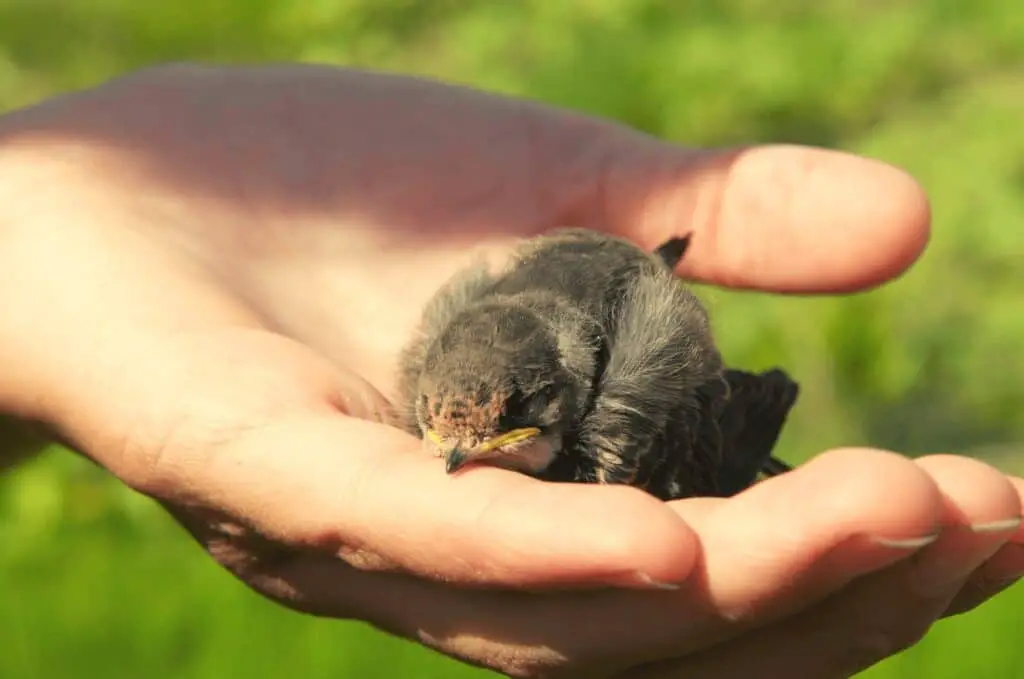
Understanding Starlings as Pets
Starlings are known for their intelligence, social behavior, and striking appearance. These characteristics make them both fascinating and challenging pets. If you're considering bringing a starling into your family or already have one, it's crucial to understand their specific needs. Starlings require a lot more than just a cage and food; they need a stimulating environment, a balanced diet, and regular health check-ups.
Nutrition: The Foundation of Health
When it comes to feeding your starling, variety and balance are key. A diet that mimics what they would naturally eat in the wild is ideal. This includes a mix of:
High-quality commercial pellets designed for birds
Fresh fruits like apples, bananas, and berries
Leafy greens such as kale, spinach, and lettuce
Insects like mealworms and crickets
Avoid giving your starling foods high in fat, salt, and sugar. Chocolate and avocado are toxic to birds and should be strictly avoided.
The Importance of Fresh Water
Fresh water is essential for your starling's health. Change the water daily to prevent bacterial growth. Using a water bottle with a sipper tube can help keep the water clean, but make sure it's easy for your bird to access.
Housing: Creating a Stimulating Environment
The right housing is critical for your starling's physical and mental well-being. A spacious aviary or large cage is necessary, as starlings are active birds that need room to fly and exercise.
Cage Size: The minimum recommended size is 2x3x4 feet, but larger is always better.
Bar Spacing: Ensure the bars are spaced about 1 inch apart to prevent escape and injury.
Toys and Accessories: Include a variety of toys and accessories to keep your starling entertained. Rotate toys regularly to prevent boredom.
Health Care: Regular Check-Ups and First Aid
Regular veterinary check-ups are vital for maintaining your starling's health. Find a vet experienced in caring for exotic birds.
Annual Check-Ups: Schedule a check-up at least once a year.
Health Signs: Be aware of signs of illness, such as changes in appetite, droppings, or behavior.

Common Health Issues
Starlings can be prone to certain health issues, including:
Respiratory infections
Feather plucking
Malnutrition
Socialization and Training
Starlings are highly social and intelligent birds. They require a lot of interaction and mental stimulation.
Social Interaction: Spend time with your starling daily, engaging in activities like training and play.
Training: Starlings can learn to mimic words and perform tricks. Positive reinforcement techniques work best.
Starling Pet Care Comparison: Wild vs. Captive
| Aspect | Wild Starlings | Captive Starlings |
|---|---|---|
| Diet | Insects, fruits, seeds | Commercial pellets, fruits, vegetables, insects |
| Lifespan | Average 2-3 years | Up to 20 years with proper care |
| Social Structure | Flocks | Single or pairs |
| Environment | Natural habitats | Cages or aviaries |
"The key to successful starling care is providing an environment that caters to their natural behaviors and needs. It's not just about keeping them alive; it's about giving them a life worth living." - Experienced Avian Care Specialist
Practical Tips for New Owners
- Research Extensively: Before bringing a starling home, research their needs and ensure you're prepared.
- Budget Accordingly: Consider the cost of care, including food, vet bills, and supplies.
- Plan for Time Commitment: Starlings require a lot of attention and interaction.
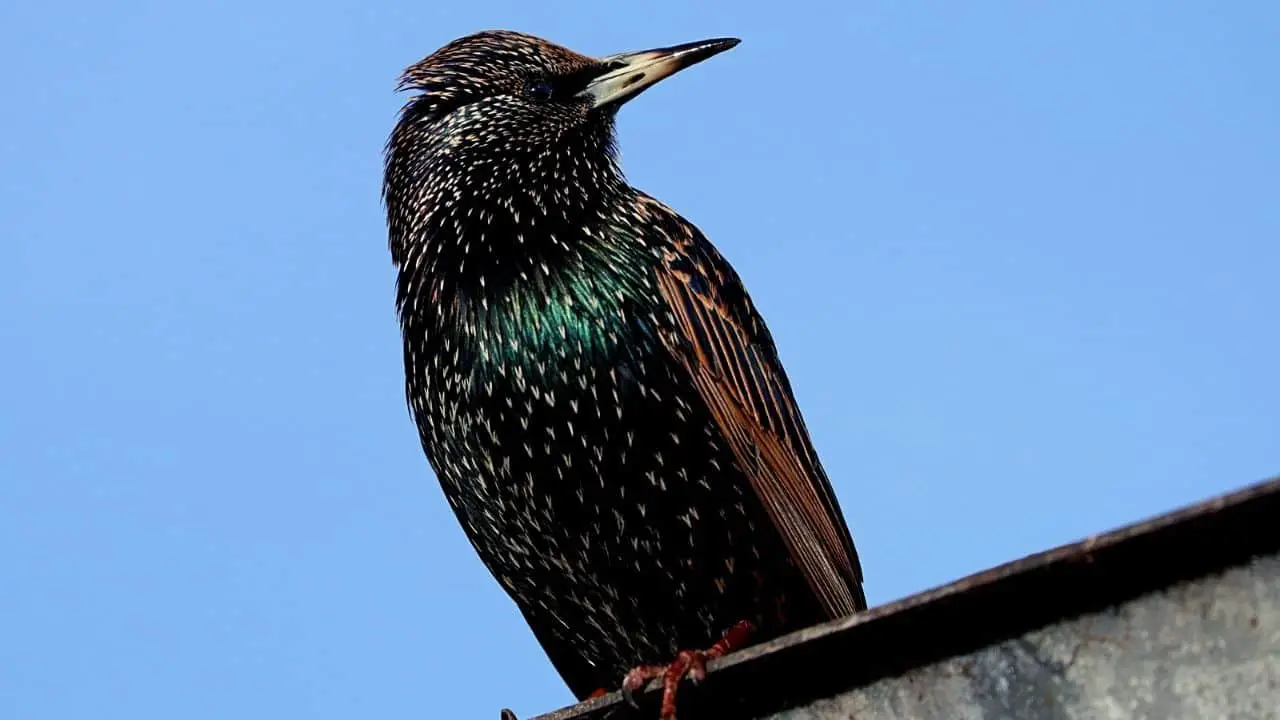
FAQs
Q: How long do starlings live as pets?
With proper care, starlings can live up to 20 years in captivity.
Q: Can starlings talk?
Yes, starlings are known for their ability to mimic human speech and other sounds.
Q: What is the best food for starlings?
A balanced diet that includes commercial pellets, fresh fruits, vegetables, and insects.
Q: How often should I clean my starling's cage?
Clean the cage regularly, with a thorough cleaning at least once a week.
Final Considerations
Caring for a starling is a significant responsibility but can also be incredibly rewarding. By understanding their needs and providing a suitable environment, you can ensure your starling leads a happy and healthy life. Remember, every bird is different, so be prepared to adapt your care strategy based on your starling's individual needs and personality. With patience, love, and the right approach, you and your starling can enjoy a fulfilling companionship.
Related: What to Know About Meal Prepping Soup for Busy Lives
