
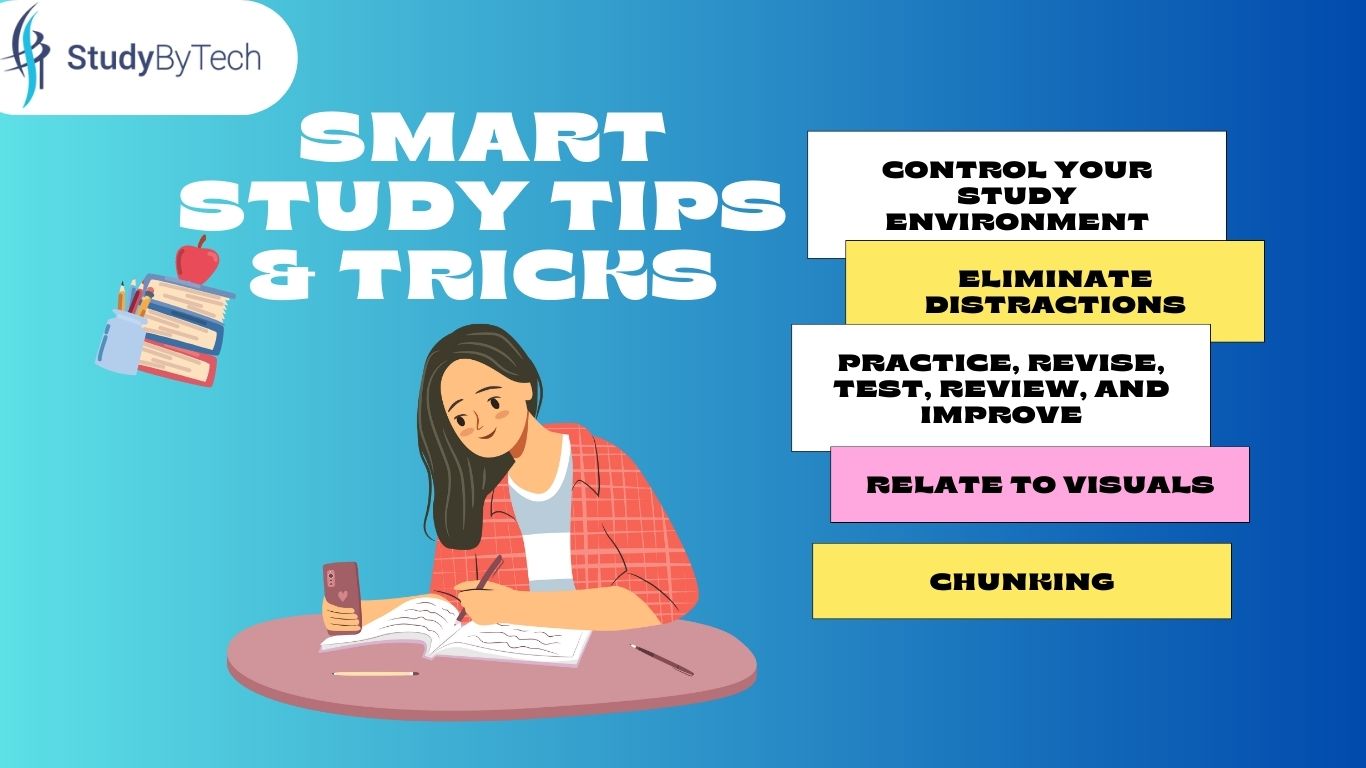
Effective Study Tips for Exam Preparation
Preparing for exams can be a daunting task, especially when faced with a mountain of material to cover and a limited amount of time. However, with the right study tips and strategies, you can achieve academic success and reduce stress. In this article, we'll explore effective study techniques to help you prepare for exams and get the best possible results.
Understanding Your Learning Style
Before diving into study tips, it's essential to understand your learning style. Are you a visual, auditory, or kinesthetic learner? Knowing your learning style can help you tailor your study approach to better retain information. For example, if you're a visual learner, you may benefit from using diagrams, flowcharts, and mind maps to organize information.
Creating a Study Plan
A well-structured study plan is crucial for effective exam preparation. Here are some steps to create a study plan:
Set specific, achievable, and measurable goals for each study session
Break down large topics into smaller, manageable chunks
Allocate sufficient time for each topic, considering its complexity and your level of understanding
Schedule regular study sessions, with breaks to avoid burnout

Prioritizing Topics
When creating a study plan, prioritize topics based on their importance, complexity, and your level of understanding. Focus on the most critical topics first, and then move on to less critical ones. Use the Eisenhower Matrix to categorize topics into urgent vs. important and focus on the most critical ones.

Active Learning Techniques
Active learning techniques can help you engage with the material, retain information better, and reduce study time. Some effective active learning techniques include:
Summarization: Summarize key points in your own words, either orally or in writing
Self-quizzing: Test yourself on the material by creating flashcards or practice quizzes
Discussion: Engage in discussions with peers or study groups to clarify doubts and gain new insights
Teaching: Teach someone else what you've learned to reinforce your understanding
Managing Study Time Effectively
Effective time management is critical for exam preparation. Here are some tips to manage your study time:
Pomodoro Technique: Study in focused 25-minute increments, followed by a 5-minute break
Time blocking: Schedule large blocks of uninterrupted study time
Avoid multitasking: Focus on a single task to avoid distractions and minimize errors
Overcoming Procrastination and Distractions
Procrastination and distractions can be significant obstacles to effective exam preparation. Here are some strategies to overcome them:
Break tasks into smaller steps: Divide large tasks into smaller, manageable chunks
Create a conducive study environment: Eliminate distractions by studying in a quiet, comfortable space
Use technology to your advantage: Utilize apps, browser extensions, or software to block distracting websites or social media
Staying Motivated and Focused
Maintaining motivation and focus is crucial for successful exam preparation. Here are some tips to stay motivated:
Celebrate small victories: Reward yourself for achieving small milestones
Remind yourself of your goals: Visualize your goals and remind yourself why you're studying
- Seek support: Surround yourself with supportive peers, family, or mentors
Frequently Asked Questions
Q: How can I stay calm during exams?
Practice relaxation techniques, such as deep breathing, meditation, or yoga, to help manage stress and anxiety.
Q: What are some effective ways to retain information?
Use active learning techniques, such as summarization, self-quizzing, and discussion, to engage with the material and retain information better.
Q: How can I manage my study time effectively?
Use the Pomodoro Technique, time blocking, or other time management strategies to stay focused and avoid distractions.
Q: What if I'm struggling with a particular topic?
Seek help from teachers, peers, or online resources, and practice active learning techniques to reinforce your understanding.
Conclusion
Effective exam preparation requires a strategic approach, including understanding your learning style, creating a study plan, using active learning techniques, managing study time, overcoming procrastination and distractions, and staying motivated. By incorporating these study tips into your daily routine, you'll be well-prepared to achieve academic success and reduce stress.
Related: 5 Useful Things to Know About Mastering Online Courses
