
As any dog owner knows, having a furry friend by your side can bring immense joy and companionship. However, it's not all fun and games – taking care of a dog requires a lot of responsibility and attention to detail. From feeding and grooming to exercise and training, there are many aspects to consider when it comes to basic dog care. In this article, we'll cover the essential tips and insights you need to know to keep your dog happy, healthy, and thriving.
Nutrition and Feeding
When it comes to dog care, nutrition is a top priority. A well-balanced diet is crucial for maintaining your dog's overall health, energy levels, and coat condition. Here are some key things to consider:
Quality over quantity: Focus on feeding high-quality dog food that meets your dog's nutritional needs, rather than just filling their bowl with cheap kibble. Look for food that's rich in protein, moderate in fat, and low in carbohydrates.
Avoid overfeeding: Keep an eye on your dog's weight and adjust their food intake accordingly. Overfeeding can lead to obesity, which increases the risk of various health problems, including diabetes, arthritis, and heart disease.
Consider your dog's life stage: Puppies, adult dogs, and seniors have different nutritional needs. Make sure to choose a food that's formulated for your dog's life stage.
Grooming and Hygiene
Regular grooming is essential for maintaining your dog's coat health, reducing shedding, and preventing skin issues. Here are some grooming tips to keep in mind:
Brush, brush, brush: Regular brushing helps to remove tangles, mats, and loose hair, reducing the risk of skin irritation and infection.
Bathe wisely: Bathe your dog as needed, but avoid over-bathing, which can strip their coat of its natural oils. Use a gentle dog shampoo and conditioner, and avoid using human products on your dog.
Trim and clip: Keep your dog's nails trimmed, and consider clipping their coat to prevent matting and tangling.

Exercise and Physical Activity
Regular exercise is vital for maintaining your dog's physical and mental health. Here are some exercise tips to consider:
Get moving: Aim for at least 30 minutes of exercise per day, which can include walks, runs, playtime in the park, or simply playing fetch in the backyard.
Vary the routine: Mix up your dog's exercise routine to keep things interesting and prevent boredom. Consider trying new activities, such as agility training or swimming.
Consider your dog's age and ability: Puppies and senior dogs may need more gentle exercise, while high-energy breeds may require more intense physical activity.
Training and Socialization
Training and socialization are critical components of dog care, helping to establish good behavior, prevent unwanted habits, and foster a strong bond between you and your dog. Here are some training tips to keep in mind:
Start early: Begin training your dog as soon as possible, ideally from puppyhood. This helps to establish good habits and prevent unwanted behaviors.
Be consistent: Use positive reinforcement techniques, such as treats and praise, to encourage good behavior. Be consistent in your training approach, and avoid punishing or scolding your dog.
Socialize, socialize, socialize: Socialization is critical for helping your dog interact with people, other dogs, and new environments. Make sure to expose your dog to a variety of situations and experiences.
Common Mistakes to Avoid
When it comes to dog care, there are several common mistakes to avoid. Here are a few things to watch out for:
Neglecting veterinary care: Regular veterinary check-ups are essential for maintaining your dog's health and detecting potential issues early on.
Not providing enough mental stimulation: Dogs need mental stimulation to prevent boredom and stress. Make sure to provide plenty of toys, chews, and interactive activities to keep your dog engaged.
Overindulging: Avoid overindulging your dog with too many treats or snacks, which can lead to obesity and other health problems.
What to Expect from Your Veterinarian
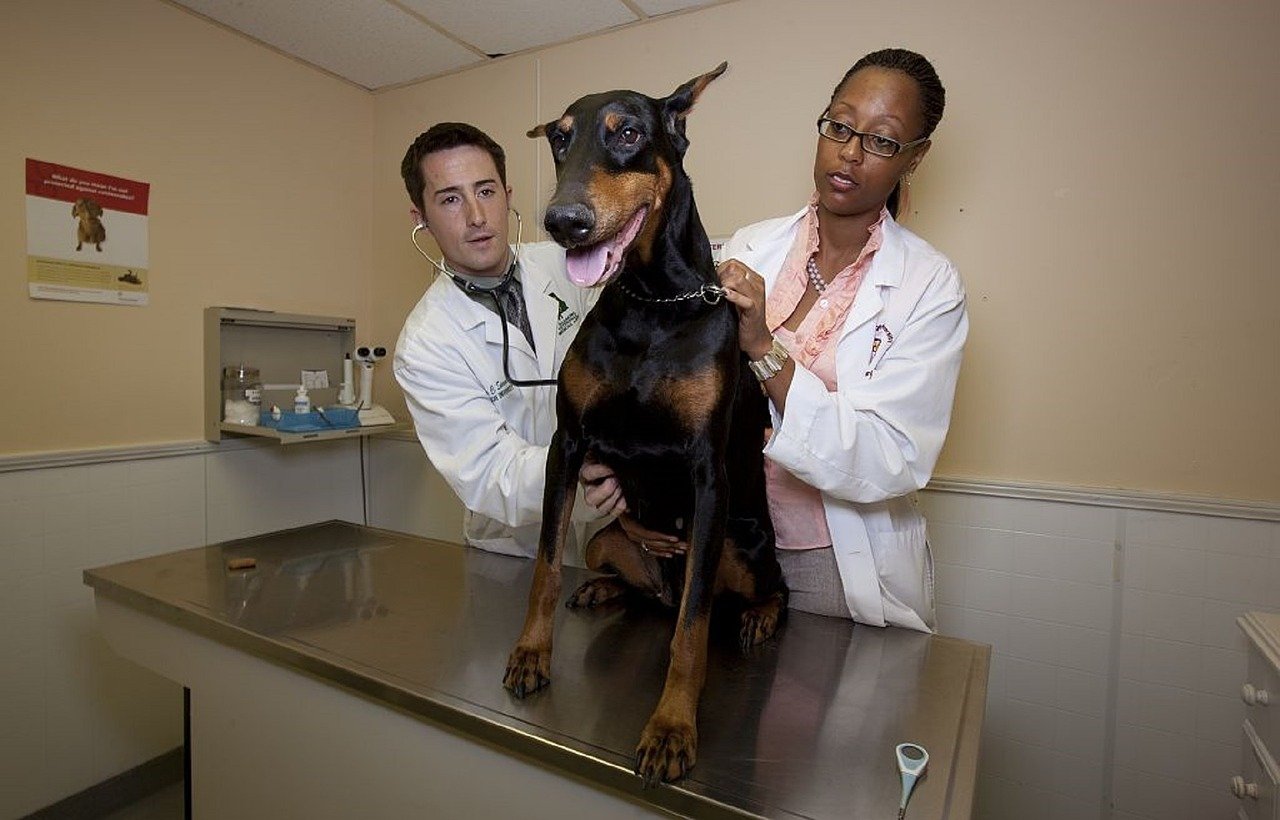
Your veterinarian plays a critical role in maintaining your dog's health and well-being. Here's what you can expect from a typical veterinary visit:
Comprehensive examination: Your veterinarian will perform a thorough examination of your dog, including checking their vital signs, inspecting their coat and skin, and evaluating their overall health.
Vaccinations and preventatives: Your veterinarian will advise on necessary vaccinations and preventatives, such as heartworm medication and flea control.
Health advice and guidance: Your veterinarian can provide valuable advice and guidance on dog care, nutrition, and health issues.
FAQ
Here are a few frequently asked questions about basic dog care:
Q: How often should I feed my dog? The frequency of feeding depends on your dog's age, size, and breed. Generally, puppies need to be fed 3-4 times per day, while adult dogs can be fed 1-2 times per day.
Q: How much exercise does my dog need?
The amount of exercise your dog needs depends on their age, size, and breed. Generally, dogs need at least 30 minutes of exercise per day.
- Q: How often should I groom my dog?
The frequency of grooming depends on your dog's coat type and length. Generally, dogs with short coats need to be brushed weekly, while dogs with long coats need to be brushed daily.
Closing
Taking care of a dog requires attention to detail, patience, and a willingness to learn. By following these basic dog care tips, you can help ensure your furry friend stays happy, healthy, and thriving. Remember to stay informed, work closely with your veterinarian, and prioritize your dog's needs to build a lifelong bond with your loyal companion.
Related: What to Know About Travel Packing Checklists: Free PDFs
Related: 5 Useful Things to Know About Top Pet Care Tips
Related: Best Basic Pet Care Tips
Related: Delicious and Affordable: Cheap Easy Meal Prep Ideas for Busy
