
As someone who's been in the fitness industry for years, I've seen countless individuals struggle to create a workout plan that truly works for them. It's easy to get lost in the sea of exercise routines and fitness advice, but the key to success lies in finding a plan that suits your unique goals, lifestyle, and preferences. In this article, we'll explore the ins and outs of creating a workout plan, complete with a free template to get you started.
Understanding Your Fitness Goals
Before you can create an effective workout plan, you need to define what you want to achieve. Are you looking to lose weight, build muscle, increase endurance, or simply feel more energetic? Your goals will dictate the type of exercises you include in your plan, as well as the intensity and frequency of your workouts.
Take a moment to reflect on what motivates you to work out. Is it to improve your overall health, or to prepare for a specific event? Perhaps you're recovering from an injury, or trying to manage stress. Whatever your reasons, it's essential to identify them clearly. This will help you create a workout plan that not only challenges you but also keeps you engaged and motivated.
Assessing Your Current Fitness Level
To create a realistic workout plan, you need to assess your current fitness level. This involves evaluating your strengths, weaknesses, and any physical limitations you may have. Consider factors such as:
Your current exercise routine (if any)
Your diet and nutrition habits
Your sleep patterns and recovery abilities
Any injuries or health concerns
Be honest with yourself – it's better to start slow and progress gradually than to risk injury or burnout. You can use tools like a fitness tracker or consult with a healthcare professional to get a better understanding of your current fitness level.
Choosing the Right Exercises
With so many exercises to choose from, it can be overwhelming to decide which ones to include in your workout plan. Here are some tips to keep in mind:
Focus on compound exercises that work multiple muscle groups at once (e.g., squats, deadlifts, bench press)
Include exercises that target your core and improve balance and flexibility (e.g., planks, lunges, yoga)
Consider your goals and choose exercises that align with them (e.g., cardio for weight loss, strength training for muscle gain)
Sample Exercise Routine
| Exercise | Sets | Reps | Rest Time |
|---|---|---|---|
| Squats | 3 | 8-12 | 60-90 seconds |
| Push-ups | 3 | 12-15 | 60-90 seconds |
| Lunges | 3 | 10-15 | 60-90 seconds |
| Planks | 3 | 30-60 seconds | 60-90 seconds |
Creating a Workout Schedule
Once you've chosen your exercises, it's time to create a workout schedule. Consider the following:
How many days per week can you realistically commit to working out?
What time of day works best for you (morning, lunch break, evening)?
How long can you dedicate to each workout?
Be realistic and flexible – life can be unpredictable, and it's essential to have a plan that adapts to your changing schedule.
Staying on Track
Creating a workout plan is just the first step – staying on track is where the real challenge lies. Here are some tips to help you stay motivated:
Find a workout buddy or accountability partner
Track your progress and celebrate small victories
Mix up your routine to avoid boredom and prevent plateaus
"The only bad workout is the one that didn't happen." - Joe Cirulli
Free Workout Plan Template
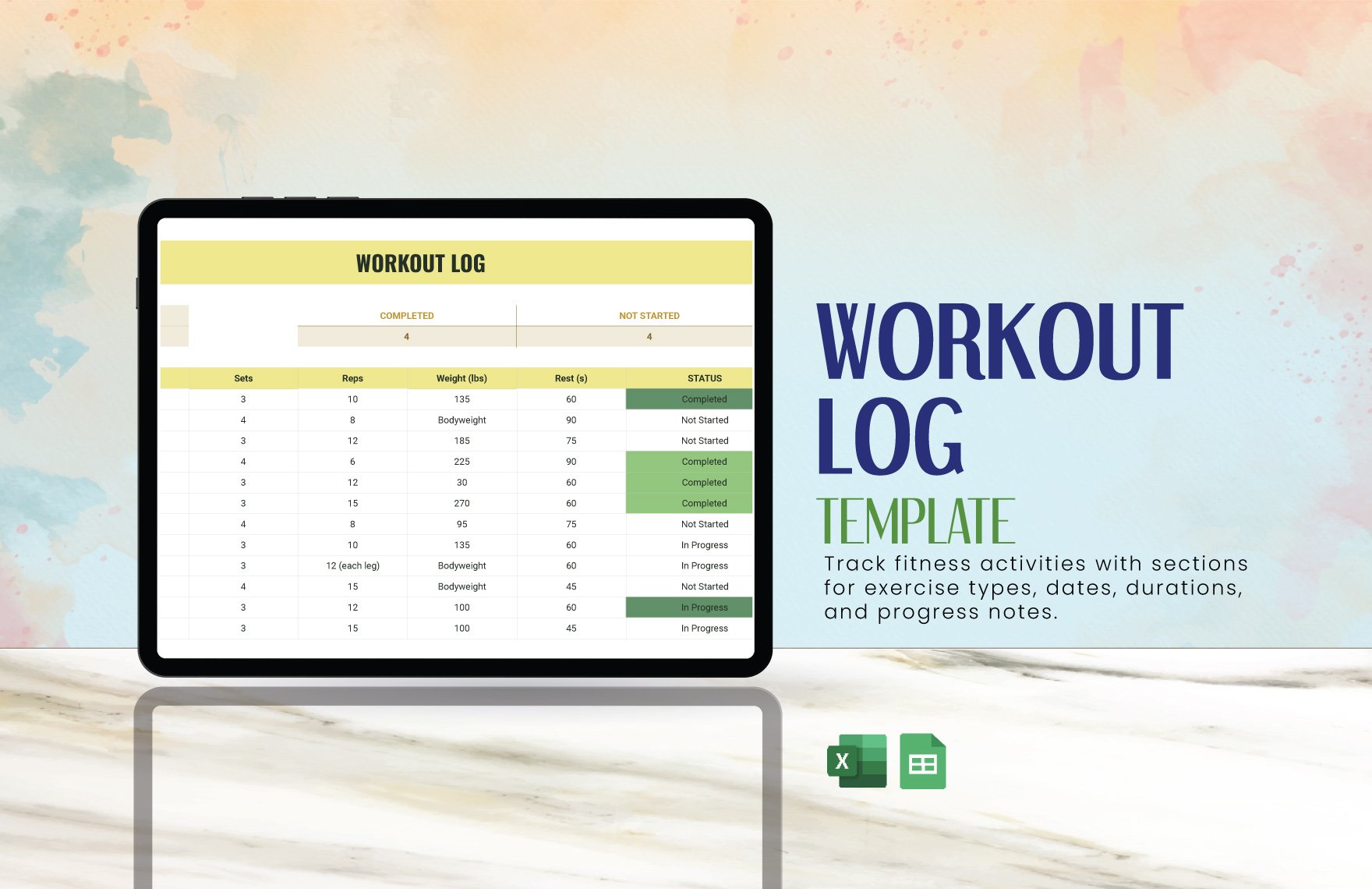
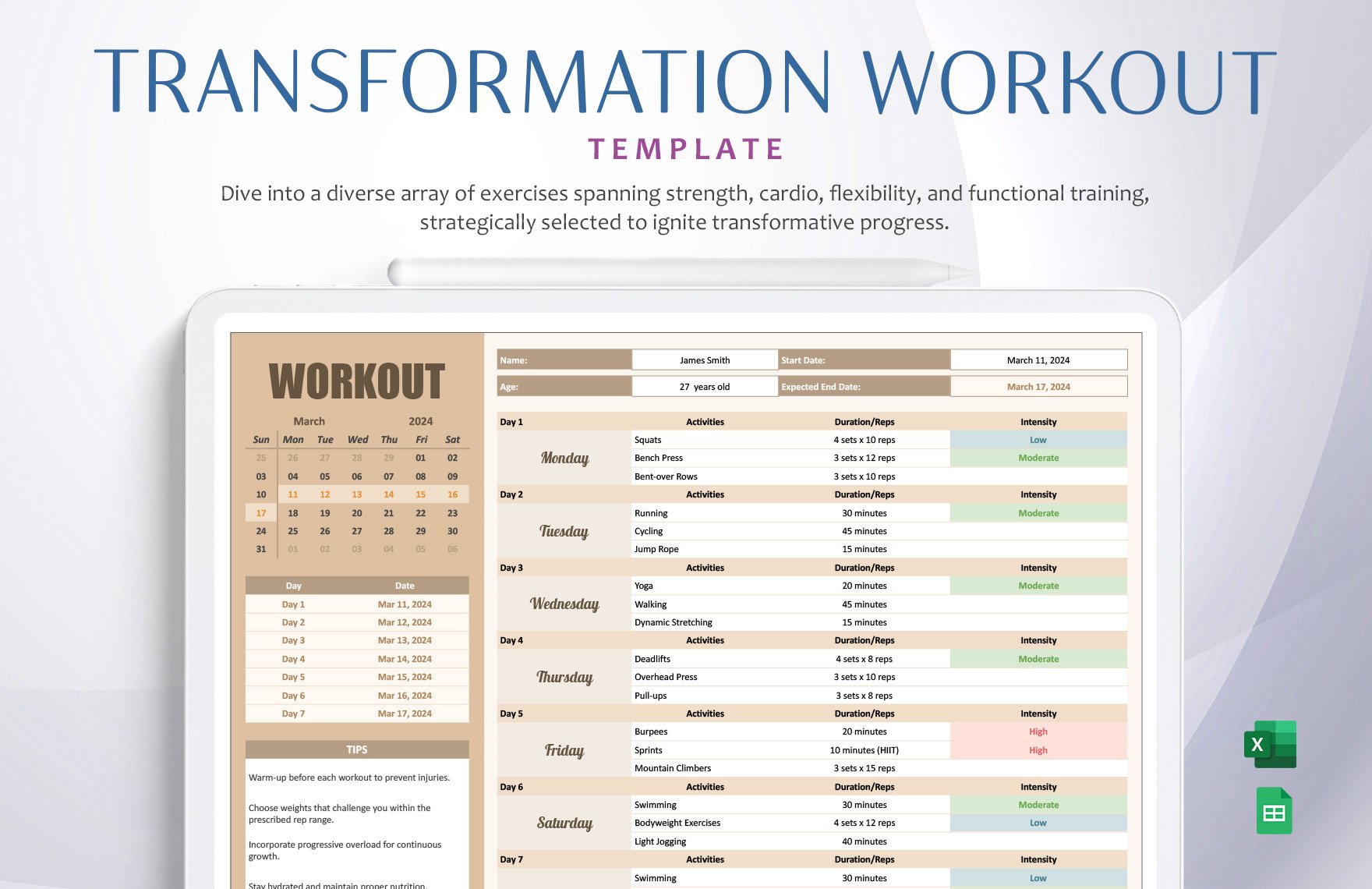
To help you get started, we've created a free workout plan template that you can customize to suit your needs. This template includes:
A sample workout schedule
A list of exercises to choose from
Space to track your progress and notes
You can download the template here.
Frequently Asked Questions
Q: How often should I work out?
The frequency of your workouts depends on your goals and current fitness level. Aim for at least 3-4 times per week, with at least one day of rest in between.
Q: What if I'm a beginner?
Start with shorter workouts and gradually increase the duration and intensity as you become more comfortable. Consider consulting with a personal trainer or fitness coach for guidance.
Q: How do I track my progress?
Use a fitness tracker, log your workouts in a journal, or take progress photos. Celebrate small victories along the way to stay motivated.
Conclusion
Creating a workout plan that truly works for you requires time, effort, and patience. By understanding your fitness goals, assessing your current fitness level, and choosing the right exercises, you can create a plan that suits your unique needs and lifestyle. Remember to stay flexible, track your progress, and celebrate small victories along the way. With the free workout plan template provided, you're one step closer to achieving your fitness goals.
Related: Get Fit Without Breaking the Bank: A Free Workout Plan
Related: Create a Customized Free Workout Plan Template in Excel
Related: Get Fit at Home: Top Free Workout Apps Without the Hassle
Related: Free Printable Workout Plan Template: What Actually Makes
