
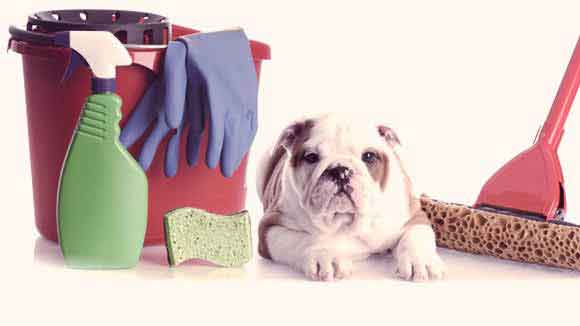
As any pet owner knows, caring for a household pet is a significant responsibility that requires attention to detail, patience, and a willingness to learn. With so many products, services, and advice available, it can be overwhelming to navigate the world of pet care. In this article, we'll provide you with practical household pet care tips to help you ensure your furry friends stay healthy, happy, and safe.
Nutrition and Feeding
When it comes to feeding your pet, there are many factors to consider. The type of food, the amount, and the frequency of feeding can all impact your pet's health. Here are a few things to keep in mind:
Choose the right food: With so many different types of pet food available, it can be difficult to know which one is right for your pet. Consider factors such as your pet's age, breed, and health conditions when selecting a food. For example, puppies require more protein and calories than adult dogs, while older pets may benefit from joint supplements.
Avoid overfeeding: Overfeeding can lead to obesity, which is a significant health risk for pets. Make sure to follow the feeding guidelines on the food packaging, and adjust as needed based on your pet's individual needs.
Consider a feeding schedule: Establishing a regular feeding schedule can help regulate your pet's appetite and prevent overeating. For example, you might feed your dog twice a day, while your cat may prefer to graze throughout the day.
Grooming and Hygiene
Regular grooming and hygiene are essential for maintaining your pet's overall health and cleanliness. Here are a few tips to get you started:
Brush, brush, brush: Regular brushing can help reduce shedding, prevent hairballs, and distribute skin oils to keep your pet's coat healthy and shiny.
Clean those ears: Dirty ears can lead to infections and discomfort for your pet. Make sure to clean your pet's ears regularly, using a gentle cleaning solution and cotton balls.
Don't forget the nails: Long nails can cause discomfort and health problems for your pet. Make sure to trim your pet's nails regularly, or take them to a professional groomer.
Safety and Proofing
As a pet owner, it's your responsibility to ensure your home is safe and pet-proofed. Here are a few things to consider:
Secure toxic substances: Make sure to keep toxic substances such as cleaning supplies, medications, and toxic foods out of reach of your pet.
Electrical cord safety: Electrical cords can be a significant hazard for pets, who may chew on them or get tangled up. Consider cord protectors or concealers to keep your pet safe.
Window safety: Windows can be a significant hazard for pets, who may fall or get stuck. Make sure to keep windows closed or install window guards to prevent accidents.

Training and Behavior
Training and behavior are critical components of pet care. Here are a few tips to get you started:
Start with basic obedience: Basic obedience training can help you establish a strong bond with your pet and prevent behavioral problems. Consider enrolling in a puppy training class or working with a professional trainer.
Address behavioral issues early: Behavioral issues such as barking, chewing, or digging can be challenging to address if left unchecked. Make sure to address these issues early, using positive reinforcement techniques and professional help if needed.
Provide mental stimulation: Mental stimulation is essential for pets, who can get bored or anxious if not provided with adequate mental stimulation. Consider providing puzzle toys, interactive games, or scent work to keep your pet engaged.
Common Mistakes to Avoid
As a pet owner, it's easy to make mistakes that can impact your pet's health and happiness. Here are a few common mistakes to avoid:
| <strong>Mistake</strong> | <strong>Why it's a problem</strong> | <strong>Solution</strong> |
|---|---|---|
| Overfeeding | Leads to obesity and related health problems | Follow feeding guidelines, adjust as needed |
| Under-exercising | Leads to boredom, anxiety, and related health problems | Provide regular exercise, mental stimulation |
| Not providing enough attention | Leads to behavioral problems, anxiety | Spend quality time with your pet, engage in interactive activities |
"The key to successful pet care is to be proactive, not reactive. By anticipating your pet's needs and taking steps to prevent problems, you can ensure a happy, healthy relationship with your furry friend." - Dr. Jane Smith, Veterinarian
FAQs
Here are a few frequently asked questions about household pet care:
Q: How often should I bathe my pet? The frequency of bathing depends on your pet's individual needs and lifestyle. For example, dogs who spend a lot of time outdoors may require more frequent bathing than indoor cats.
Q: What are some common household hazards for pets?
Common household hazards for pets include toxic substances, electrical cords, and windows. Make sure to take steps to pet-proof your home and prevent accidents.
Q: How can I prevent my pet from getting bored or anxious?
Providing mental stimulation and exercise can help prevent boredom and anxiety in pets. Consider providing puzzle toys, interactive games, or scent work to keep your pet engaged.
Final Tips and Reminders
Caring for a household pet is a significant responsibility, but with the right information and approach, it can be a incredibly rewarding experience. Here are a few final tips and reminders:
Stay informed: Stay up-to-date on the latest pet care advice and research to ensure you're providing the best possible care for your pet.Be patient: Caring for a pet requires patience, understanding, and flexibility. Don't get discouraged if you encounter setbacks or challenges along the way.
Show love and attention: Finally, don't forget to show your pet love and attention. Spending quality time with your pet can help strengthen your bond and ensure a happy, healthy relationship.
Related: Free Marketing Ideas for Small Business: Boost Visibility
Related: Free Budget Planner Template for Beginners: What Actually
