

Planning Your Meal Prep for the Week
When it comes to meal prep ideas for the week, having a solid plan in place is crucial. This involves taking a step back to assess your dietary goals, preferences, and schedule. Are you looking to eat healthier, save time, or reduce food waste? Your answers to these questions will help guide your meal prep strategy.
Consider your weekly schedule: What days are you busiest? When do you have time to cook? Make a list of your available cooking days and times. Next, think about your dietary goals. Are you trying to cut down on calories, increase protein intake, or follow a specific diet like keto or vegan? Knowing your goals will help you decide on the types of meals to prepare.
Grocery Shopping for Meal Prep
Once you have a plan, it's time to go grocery shopping. This step can be overwhelming, especially if you're new to meal prep. Here are some tips to make grocery shopping for meal prep more efficient:
Make a list and stick to it: Based on your meal plan, write down the ingredients you need and try to avoid impulse buys.
Shop the sales: Check weekly ads for your local grocery stores and plan your meals around the items on sale.
Buy in bulk: Purchasing items like rice, quinoa, and canned goods in bulk can save you money and reduce waste.
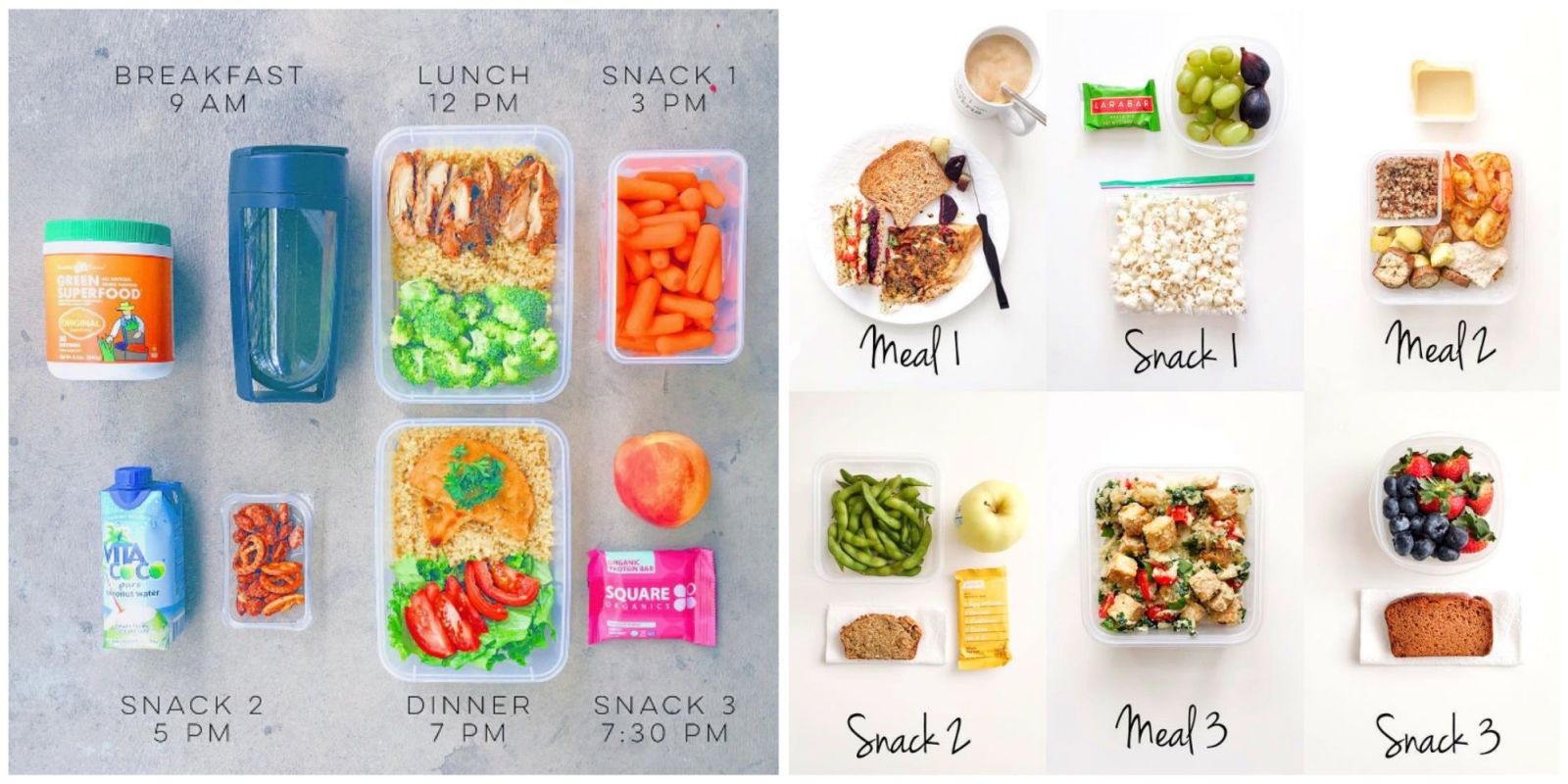
Meal Prep Ideas for Breakfast
Breakfast is often considered the most important meal of the day, and meal prep can make it easier to start your day off right. Here are some breakfast meal prep ideas:
Overnight oats: Mix together rolled oats, milk, and your choice of toppings in a jar or container. Refrigerate overnight and enjoy in the morning.
Breakfast burritos: Scramble eggs, add cheese, salsa, and your choice of fillings (e.g., sausage, bacon, black beans), then wrap in tortillas and freeze.
Muffin tin frittatas: Whisk together eggs, milk, and diced vegetables, pour into muffin tins, and bake until set.
Meal Prep Ideas for Lunch and Dinner
For lunch and dinner, the possibilities are endless. Here are some ideas to get you started:
Salads in a jar: Layer greens, vegetables, and protein (e.g., chicken, tuna) in a jar. Add a simple vinaigrette just before serving.
Slow cooker meals: Use a slow cooker to prepare meals like chili, stew, or curry. These meals are perfect for busy days when you don't have time to cook.
Roasted vegetables: Roast a large batch of vegetables (e.g., broccoli, sweet potatoes, Brussels sprouts) with olive oil and seasonings. Use them throughout the week in different meals.
Comparison of Meal Prep Containers
| <strong>Container Type</strong> | <strong>Pros</strong> | <strong>Cons</strong> |
|---|---|---|
| Glass Containers | Durable, non-porous, and easy to clean. Can be used for both hot and cold foods. | Heavy, may break if dropped. |
| Plastic Containers | Lightweight, inexpensive, and often dishwasher safe. | May retain odors and stains, not suitable for hot foods. |
| Reusable Bags | Portable, easy to clean, and great for on-the-go meals. | May not be suitable for hot foods, can be prone to leaks. |
| Mason Jars | Perfect for salads, overnight oats, and other layered meals. Easy to clean and store. | Limited capacity, may not be suitable for hot foods. |
Common Meal Prep Mistakes to Avoid
When starting your meal prep journey, it's easy to make mistakes. Here are some common pitfalls to avoid:
Overplanning: Don't try to prep too many meals at once. Start with a few simple recipes and scale up as you gain experience.
Not labeling containers: Labeling your containers with the date and contents can help you keep track of what you have and ensure you use the oldest items first.
Not reheating safely: When reheating meals, make sure they reach a safe internal temperature to avoid foodborne illness.
Meal Prep for Specific Diets
Meal prep can be adapted to various diets and preferences. Here are some tips for specific diets:
Vegan: Focus on plant-based protein sources like beans, lentils, and tofu. Use vegan-friendly milk alternatives and cheese substitutes.
Gluten-free: Choose gluten-free grains like rice, quinoa, and corn. Be mindful of cross-contamination with gluten-containing foods.
- Keto: Focus on high-fat, low-carb meals. Use ingredients like avocado, nuts, and olive oil to add healthy fats to your meals.
FAQ
Q: How long do meal prep meals last?
The shelf life of meal prep meals varies depending on the ingredients and storage conditions. Generally, meals can last for 3 to 5 days in the refrigerator or up to 3 months in the freezer.
Q: Can I meal prep if I have dietary restrictions?
Absolutely. Meal prep can be adapted to various diets and preferences, including vegan, gluten-free, and keto.
Q: How do I prevent meal prep meals from getting boring?
To avoid boredom, try new recipes, experiment with different spices and seasonings, and vary your protein sources and vegetables.
Q: Is meal prep healthy?
Meal prep can be a healthy way to eat, especially when you focus on whole, nutrient-dense foods. However, it's essential to make informed choices about ingredients and portion sizes.
Getting Started with Meal Prep
Starting a meal prep routine can seem daunting, but it's easier than you think. Begin by planning your meals, making a grocery list, and setting aside time to cook. With practice, you'll find that meal prep saves you time, reduces stress, and helps you eat healthier. So, take the first step today and discover the benefits of meal prep for yourself.
Related: Meal Prep Ideas for Busy Lives: Slow Cooker Recipes to Save
Related: 5 Useful Meal Prep Ideas with Salmon for a Healthy Week
