
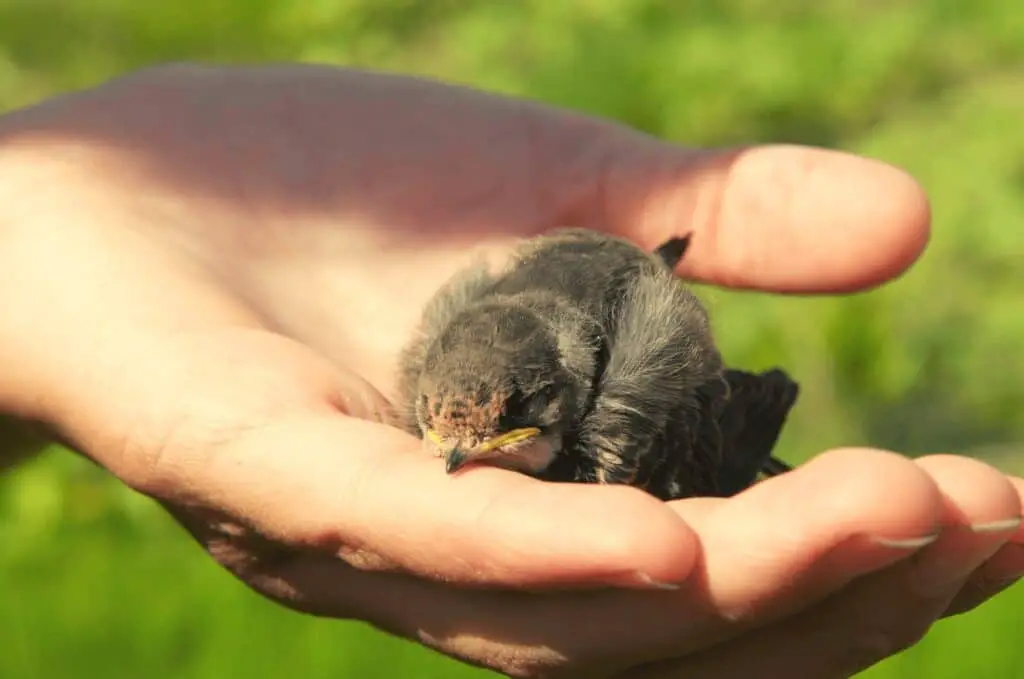
Understanding Starlings as Pets
Starlings are intelligent, social birds known for their striking appearance and remarkable mimicry skills. While they can make fascinating pets, their care requires specific attention to diet, housing, and social interaction. If you're considering a starling as a pet or already have one, understanding their needs is crucial for a happy and healthy relationship.
Dietary Needs of Starlings
Starlings are omnivores, which means their diet consists of both plant and animal matter. In the wild, they forage for insects, seeds, and fruits. As a pet owner, replicating this varied diet is key. Here are some dietary tips:
- Variety is Key: Include a mix of live foods like mealworms, crickets, and waxworms (as an occasional treat due to their high-fat content). Supplement their diet with commercial pellets designed for birds, along with fresh fruits and vegetables daily.
- Avoid Avocado and Chocolate: These are toxic to birds and can cause serious health issues.
- Fresh Water: Ensure access to clean, fresh water at all times. Change water daily to prevent bacterial growth.

Housing Your Starling
The right environment is critical for your starling's physical and mental well-being.
- Cage Size: Opt for a spacious cage or aviary that allows your bird to fly. The minimum recommended cage size is 2x3x4 feet, but larger is always better.
- Bar Spacing: Ensure the bar spacing is about 1 inch to prevent escape and injury.
- Toys and Accessories: Provide a variety of toys, perches, and accessories to keep your starling entertained and stimulated. Rotate toys regularly to prevent boredom.
Socialization and Training
Starlings are highly social and intelligent birds that thrive on interaction.
- Spend Quality Time: Dedicate several hours daily to interact with your starling. This can include training sessions, playtime outside the cage, and simply talking to your bird.
- Training: Starlings can learn to mimic words and perform tricks. Positive reinforcement techniques work best, such as rewarding with treats and praise.
Health Checks and Veterinary Care
Regular health checks are vital to catch any potential issues early.
- Annual Vet Visits: Schedule annual check-ups with a veterinarian experienced in avian care.
- Monitor Health: Keep an eye out for signs of illness, such as changes in appetite, droppings, or behavior. Common health issues include feather plucking, respiratory infections, and nutritional deficiencies.
Comparison of Bird Care Practices
| <strong>Care Aspect</strong> | <strong>Beginner-friendly</strong> | <strong>Advanced/Best Practice</strong> |
|---|---|---|
| Diet | Commercial seed mix | Varied diet including live food, fruits, vegetables, and pellets |
| Cage Size | 2x3x4 feet | Large aviaries for flight |
| Socialization | 1-2 hours interaction | Several hours of interaction and mental stimulation daily |
| Health Checks | As needed | Annual professional check-ups |
"The best thing you can do for your starling is to provide a stimulating environment and a balanced diet. This not only ensures their physical health but also their mental well-being. A bored or neglected starling can become stressed, leading to a host of behavioral and health issues." - Avian Care Specialist
Common Mistakes in Starling Care
- Inadequate Housing: Small cages can lead to stress and physical problems.
- Poor Diet: A diet lacking in variety can cause nutritional deficiencies.
- Lack of Socialization: Insufficient interaction can lead to behavioral issues and a lack of trust.
FAQ
Q: How long do starlings live as pets?
With proper care, starlings can live up to 10-15 years in captivity.
Q: Can starlings talk?
Yes, starlings are known for their ability to mimic human speech and other sounds.
Q: Are starlings noisy?
Starlings can be loud, especially in the morning and evening. If you're sensitive to noise, consider this before getting a starling.
Q: Do starlings make good pets for beginners?
While starlings can make rewarding pets, they are best suited for those with experience in caring for birds due to their specific needs and behaviors.
Closing
Caring for a starling requires a commitment to providing a balanced diet, a stimulating environment, and plenty of social interaction. By understanding and meeting these needs, you can enjoy a rewarding and enriching relationship with your starling. Whether you're a seasoned bird owner or new to avian care, the joy and companionship a starling can bring are unparalleled.
Related: 5 Useful Things to Know About Centralpet Pet Care Tips
