
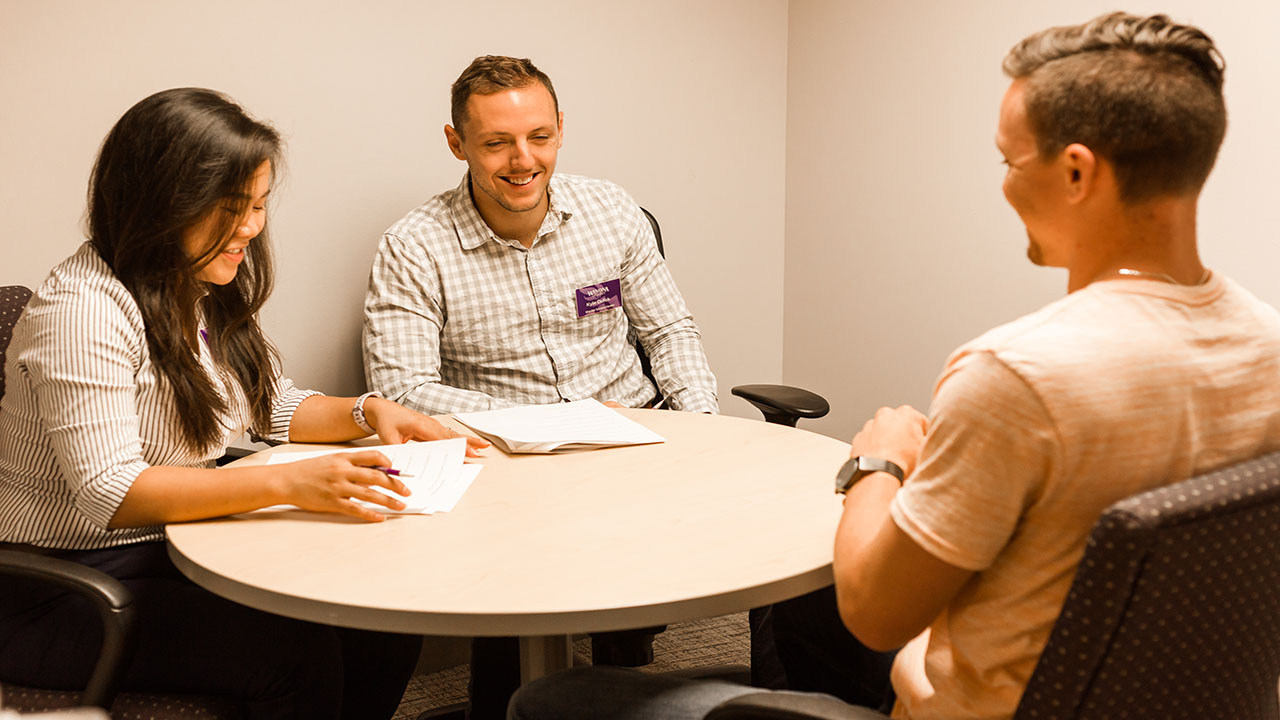
You've landed an interview – congratulations! Now, the pressure's on to make a great impression and showcase your skills. One of the most critical aspects of acing an interview is answering questions effectively. It's not just about providing the right answers; it's about demonstrating your confidence, passion, and fit for the role.
Understanding the Interviewer's Perspective
When asking questions, interviewers are not just looking for yes or no answers; they're trying to gauge your problem-solving skills, experience, and attitude. They're interested in understanding how you approach challenges, work with others, and contribute to the organization's goals. To answer effectively, you need to put yourself in the interviewer's shoes and think about what they're trying to assess.
Consider a scenario where you're asked, "What's your greatest weakness?" A simple answer like "I'm a perfectionist" won't cut it. Instead, think about a specific area where you're actively working to improve, and provide a concrete example of how you're addressing it. This shows self-awareness, a willingness to learn, and a proactive approach to growth.
Preparing for Common Interview Questions
While you can't predict every question you'll be asked, there are some common ones that frequently come up. Prepare thoughtful answers to these questions, and practice your delivery to ensure you feel confident and articulate. Some examples include:
"Can you tell me about yourself?"
"Why do you want to work for this company?"
"What are your strengths and weaknesses?"
"Where do you see yourself in five years?"
When preparing your answers, focus on specific experiences, achievements, and skills that align with the job requirements. Use the STAR method to structure your responses:
Situation: Set the context for the story
Task: Explain the task or challenge you faced
Action: Describe the actions you took to address the challenge
Result: Share the outcome and what you learned

Using the Power of Storytelling
Storytelling is a powerful way to make your answers more engaging, memorable, and impactful. Instead of simply listing facts or features, use anecdotes to illustrate your points. This helps to build a connection with the interviewer and makes your experiences feel more relatable.
For instance, if you're asked about a time when you overcame a difficult challenge, share a specific story that showcases your resilience, creativity, and determination. Use vivid language and descriptive details to bring the story to life, and highlight what you learned from the experience.
Mastering the Art of Active Listening
Active listening is crucial in an interview setting. It shows that you're engaged, interested, and respectful of the interviewer's time. Pay attention to the questions being asked, and respond thoughtfully.
Avoid interrupting or finishing the interviewer's sentences. Instead, nod to show you're engaged, and take a moment to gather your thoughts before responding. This demonstrates that you value the interviewer's input and are willing to listen carefully.
Avoiding Common Interview Mistakes
While preparation is key, it's equally important to avoid common interview mistakes that can derail your chances of success. Some common pitfalls to watch out for include:
| <strong>Mistake</strong> | <strong>Description</strong> |
|---|---|
| Lack of preparation | Not researching the company or practicing answers |
| Poor body language | Failing to maintain eye contact or displaying nervous habits |
| Negative talk | Speaking negatively about previous employers or colleagues |
| Overemphasis on salary | Focusing too much on salary or benefits |
Be aware of these potential pitfalls, and take steps to avoid them. Remember that an interview is a conversation, not an interrogation. Be yourself, be honest, and show enthusiasm for the role and the company.
Building Confidence and Staying Positive
Confidence and positivity are essential for acing an interview. Believe in yourself and your abilities, and show the interviewer that you're excited about the opportunity.
Take time to prepare, practice your responses, and focus on your strengths. Visualize yourself succeeding in the role, and remind yourself of your achievements and qualifications.
"Believe you can and you're halfway there." - Theodore Roosevelt
Frequently Asked Questions
Q: What if I'm asked a question I don't know the answer to?
It's okay to take a moment to think or ask for clarification. Be honest and say, "I'm not sure, but I'd love to learn more about that."
Q: How do I handle a behavioral interview question?
Use the STAR method to structure your response, and focus on a specific experience that showcases your skills and achievements.
Q: What's the best way to follow up after an interview?
Send a thank-you note or email within 24 hours, expressing your gratitude for the opportunity and reiterating your interest in the role.
Q: How long should I wait for a response after an interview?
Ask the interviewer about the timeline for a decision, and follow up accordingly. If you haven't heard back within a week or two, it's okay to send a polite inquiry.
Final Tips and Encouragement
Related: A Practical Guide to Acing Interview Competency Questions
Related: Free Budget Planner Template for Beginners: What Actually
