
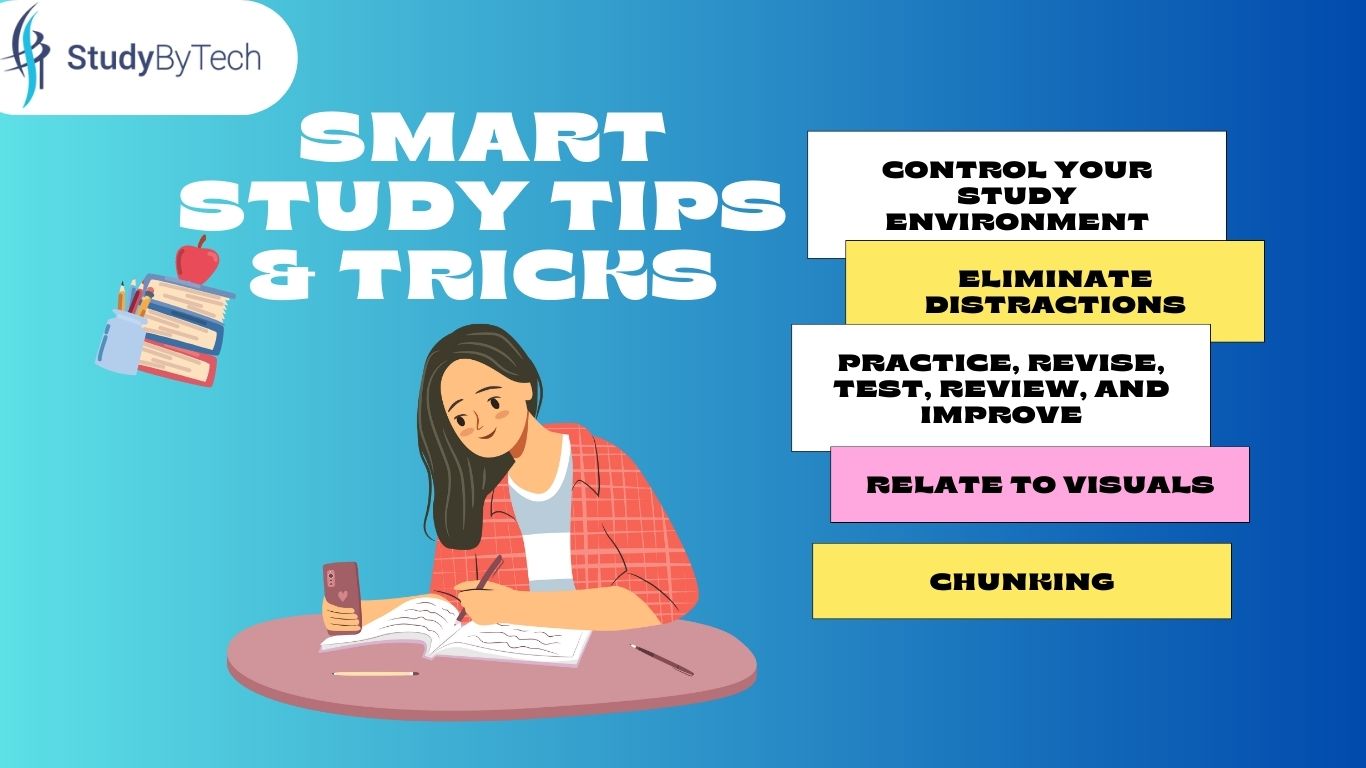
Effective exam preparation is a challenging and often overwhelming experience for many students. As the exam season approaches, you may find yourself struggling to stay focused, manage your time, and retain the information you've learned throughout the semester. However, with the right study tips and strategies, you can overcome these obstacles and achieve your academic goals.
Understanding Your Learning Style
Before diving into specific study tips, it's essential to understand your learning style. Are you a visual, auditory, or kinesthetic learner? Knowing your learning style can help you tailor your study approach to better retain information. For example, if you're a visual learner, you may benefit from using diagrams, flowcharts, and mind maps to organize your notes. On the other hand, if you're an auditory learner, you may prefer listening to lectures, podcasts, or audio recordings.Creating a Study Schedule
One of the most critical study tips for exam preparation is creating a study schedule. A well-structured schedule helps you stay organized, focused, and on track. Start by breaking down your study material into manageable chunks, and then allocate specific times for each topic. Be realistic about how much time you have available and avoid cramming all your studying into one marathon session.Here's a sample study schedule template:
| Day | Time | Topic |
|---|---|---|
| Mon | 9:00 AM - 12:00 PM | Review notes and textbook |
| Mon | 1:00 PM - 3:00 PM | Practice past exams |
| Tue | 9:00 AM - 12:00 PM | Focus on weak areas |
Active Recall and Practice
Active recall and practice are two of the most effective study techniques for exam preparation. Active recall involves actively recalling information from memory rather than simply re-reading your notes. You can use flashcards, practice quizzes, or self-testing to reinforce your understanding of the material. Practice, on the other hand, helps you apply what you've learned to real-world scenarios."The more you practice, the more confident you'll become in your ability to recall information under pressure. Active recall and practice help solidify information in your long-term memory, making it easier to retrieve during the exam."
Managing Distractions and Staying Focused
Staying focused and avoiding distractions is crucial during exam preparation. Identify potential distractions, such as social media, email, or phone notifications, and eliminate them while you study. Use tools like website blockers or phone apps to help you stay on track. Take regular breaks to recharge and avoid burnout.Getting Enough Sleep and Staying Healthy
Getting enough sleep and staying healthy are often overlooked aspects of exam preparation. Lack of sleep and poor physical health can negatively impact your cognitive function, memory, and mood. Make sure to get at least 7-8 hours of sleep each night and engage in regular physical activity to stay energized and focused.Overcoming Procrastination and Staying Motivated
Procrastination is a common obstacle many students face during exam preparation. To overcome procrastination, break down your study material into smaller, manageable tasks, and focus on one task at a time. Celebrate your small victories along the way to stay motivated. Remind yourself why you're studying and what you want to achieve.Common Exam Preparation Mistakes to Avoid
Procrastination and cramming
Lack of organization and planning
Insufficient practice and active recall
Poor time management
- Neglecting physical and mental health
Frequently Asked Questions
Q: How can I stay focused during long study sessions?
Take regular breaks, eliminate distractions, and use tools like website blockers or phone apps to help you stay on track.
Q: What's the best way to retain information during exam preparation?
Use active recall and practice techniques, such as flashcards, practice quizzes, or self-testing, to reinforce your understanding of the material.
Q: How can I manage my time effectively during exam preparation?
Create a study schedule, prioritize your tasks, and avoid procrastination by breaking down your study material into smaller, manageable tasks.
Q: What's the importance of getting enough sleep during exam preparation?
Getting enough sleep is crucial for cognitive function, memory, and mood. Lack of sleep can negatively impact your performance during the exam.
By incorporating these practical study tips into your exam preparation routine, you'll be better equipped to stay focused, manage your time, and retain information. Stay motivated, stay healthy, and achieve your academic goals.
Related: Free Resume Templates for College Students to Land Their
Related: 5 Useful Things to Know About Online Resume Templates Free
