
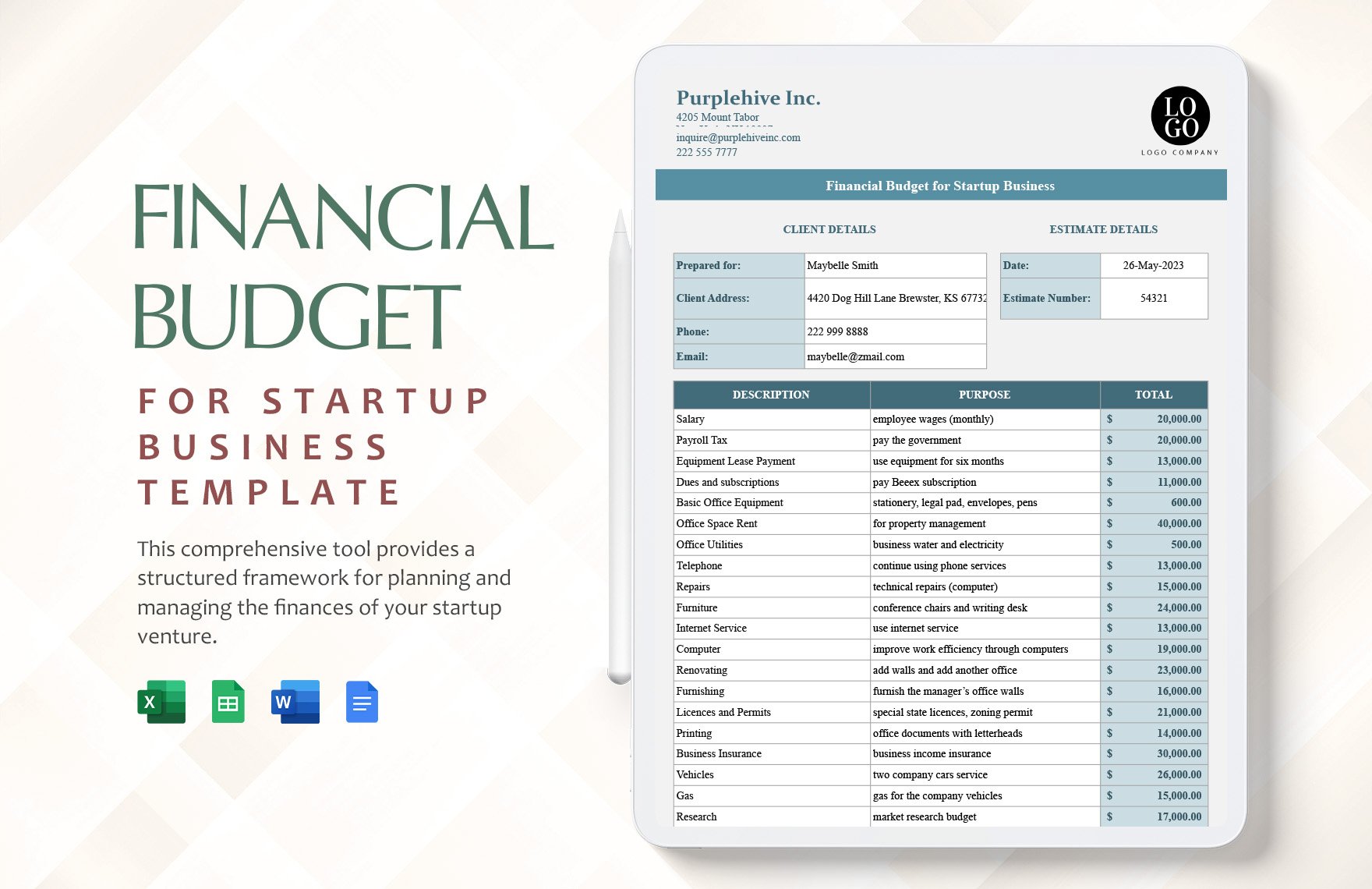
As a small business owner, managing your finances effectively is crucial to success. A well-planned budget helps you make informed decisions, prioritize spending, and achieve your goals. However, creating a budget plan from scratch can be daunting, especially if you're not a financial expert. In this article, we'll walk you through the process of creating a budget plan for your small business, provide a free template, and offer expert advice on budget planning and management.
Understanding Your Business Finances
Before creating a budget plan, it's essential to understand your business finances. This includes identifying your income sources, fixed and variable expenses, and financial goals. Take a close look at your financial statements, invoices, and receipts to get a clear picture of your business's financial situation.
For example, let's say you own a small online store that sells handmade products. Your income sources might include sales from your website, social media, and online marketplaces. Your fixed expenses might include rent, utilities, and equipment costs, while your variable expenses might include materials, shipping, and marketing costs.
Setting Financial Goals
Your budget plan should align with your business goals. What do you want to achieve in the next quarter or year? Do you want to increase revenue, reduce costs, or expand your product line? Your financial goals will help you prioritize your spending and make informed decisions about resource allocation.
Consider using the SMART goal framework to set specific, measurable, achievable, relevant, and time-bound goals. For example, "Increase revenue by 20% within the next 6 months by launching a new product line and expanding our social media presence."
Creating a Budget Plan
A budget plan typically includes the following components:
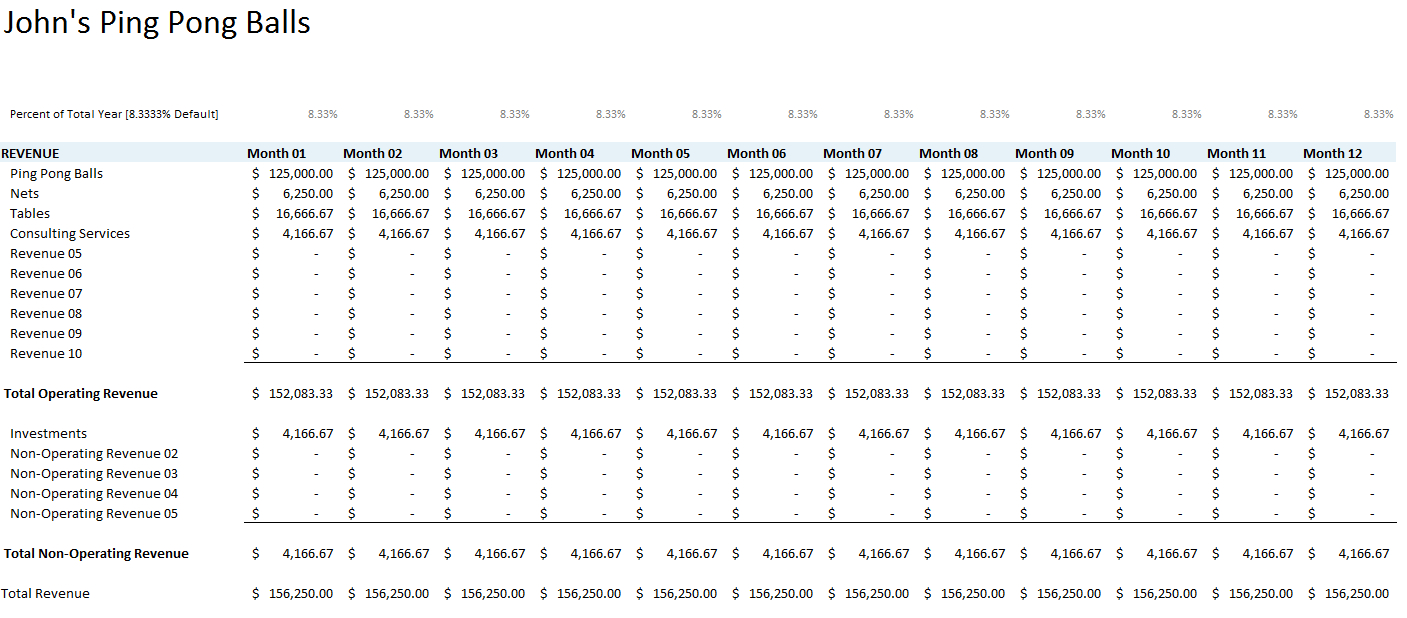
Income projections: Estimate your revenue from different sources.
Fixed expenses: List your regular expenses, such as rent, utilities, and equipment costs.
Variable expenses: List your irregular expenses, such as materials, shipping, and marketing costs.
Savings: Allocate a portion of your income to savings and emergency funds.
Here's a simple budget planner template you can use:
| Category | Estimated Amount |
|---|---|
| Income | $ |
| Fixed Expenses | $ |
| Variable Expenses | $ |
| Savings | $ |
Budgeting Methods
There are several budgeting methods you can use, depending on your business needs and preferences. Here are a few popular ones:
Zero-based budgeting: Start from scratch and justify every expense.
Incremental budgeting: Base your budget on previous year's numbers and adjust accordingly.
Activity-based budgeting: Allocate resources based on specific business activities.
Practical Tips for Budget Planning
Here are some practical tips to keep in mind when creating your budget plan:
Track your expenses: Keep a record of every transaction to identify areas where you can cut costs.
Prioritize needs over wants: Be honest about what you need versus what you want.
Review and adjust regularly: Your budget plan should be a living document that evolves with your business.
Common Budgeting Mistakes
Here are some common budgeting mistakes to avoid:
Underestimating expenses: Don't underestimate your expenses, especially variable ones.
Overestimating income: Be conservative with your income projections.
Not saving for emergencies: Unexpected expenses can arise at any time.
Benefits of Budget Planning
Budget planning offers several benefits, including:
Improved financial control: A budget plan helps you make informed decisions about resource allocation.
Increased efficiency: By prioritizing needs over wants, you can optimize your resource allocation.
Better forecasting: A budget plan helps you anticipate and prepare for future financial challenges.
"A budget plan is not a one-time task; it's an ongoing process that requires regular review and adjustment. By staying on top of your finances, you can make informed decisions that drive business growth and success." - Rachel, small business owner
Budget Planner Template
To help you get started with budget planning, we've created a free template that you can download and customize for your business. The template includes the following sections:
Income projections
Fixed expenses
Variable expenses
Savings
You can download the template here: [insert link]
Frequently Asked Questions
Here are some frequently asked questions about budget planning for small businesses:
Q: How often should I review my budget plan? You should review your budget plan regularly, ideally every quarter or month.
Q: What if I'm not good with numbers?
Don't worry! You can hire a accountant or bookkeeper to help you with budget planning and financial management.
- Q: Can I use a budgeting app?
Yes, there are many budgeting apps available that can help you track your expenses and create a budget plan.
Conclusion
Creating a budget plan is an essential step in managing your small business finances effectively. By understanding your business finances, setting financial goals, and prioritizing spending, you can make informed decisions that drive business growth and success. Remember to review and adjust your budget plan regularly to stay on top of your finances. With the right tools and expertise, you can achieve your financial goals and build a thriving business.
Related: 5 Useful Things to Know About Online Resume Templates
