
Getting Started with Your Online Class Website
As an educator or entrepreneur in the online education space, creating a professional and engaging website is crucial for attracting students and delivering high-quality courses. With numerous website templates available, choosing the right one for your online class website can be overwhelming. In this guide, we'll walk you through the process of selecting the best online class website template for your needs.
Understanding Your Requirements
Before diving into the world of website templates, take a step back and assess your requirements. What type of online classes will you be offering? Who is your target audience? What features do you need to deliver your courses effectively? Consider the following factors:
Type of courses: Are you teaching academic subjects, creative skills, or professional development courses?
Target audience: Are you catering to students, professionals, or hobbyists?
Features: Do you need features like course creation tools, payment gateways, discussion forums, or grading systems?
Exploring Website Template Options
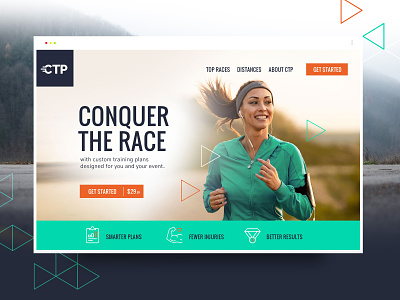
With your requirements in mind, let's explore popular website template options for online classes. You can choose from:
Website builders: Platforms like Wix, Squarespace, and Weebly offer drag-and-drop tools and a wide range of templates specifically designed for educational websites.
Learning management systems (LMS): Platforms like Moodle, Canvas, and Blackboard provide robust features for course creation, management, and delivery.
Template marketplaces: Websites like ThemeForest, TemplateMonster, and Mojo-Themes offer a vast collection of pre-designed templates for educational websites.
Key Features to Consider
When evaluating website templates, look for the following essential features:
Responsive design: Ensure the template is optimized for various devices, including desktops, laptops, tablets, and smartphones.
Course creation tools: Consider templates with built-in course creation tools or integrations with popular LMS platforms.
Payment gateways: Look for templates with seamless payment gateway integrations to facilitate smooth transactions.
Customization options: Choose a template with flexible customization options to match your brand and visual identity.
Comparison of Popular Website Templates
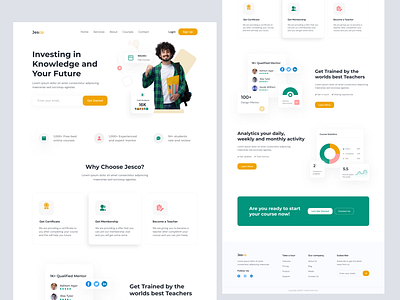
Here's a comparison table to help you evaluate popular website templates for online classes:
| Template | Website Builder | LMS Integration | Payment Gateway | Customization Options |
|---|---|---|---|---|
| Wix Educator | Wix | Limited | Built-in | High |
| Squarespace Education | Squarespace | Limited | Built-in | Medium |
| Moodle Template | Moodle | Yes | Limited | Low |
| ThemeForest LMS | ThemeForest | No | Variable | High |
Expert Insights
"When choosing an online class website template, prioritize user experience and course delivery features. A well-designed template can make a significant difference in student engagement and satisfaction." - Rachel, e-learning expert
Practical Tips for Implementation
Once you've selected a website template, consider the following practical tips for implementation:
Keep it simple: Avoid clutter and ensure a clear navigation structure for easy course access.
Use high-quality visuals: Invest in high-quality images, videos, and graphics to enhance the learning experience.
Test and iterate: Test your website thoroughly and gather feedback from students to inform future improvements.
Common Mistakes to Avoid
When creating your online class website, avoid the following common mistakes:
Insufficient customization: Failing to tailor your website to your brand and visual identity.
Poor course organization: Failing to structure courses logically and make them easily accessible.
Inadequate support: Failing to provide adequate support for students, including clear instructions and responsive customer service.
Frequently Asked Questions
Q: What is the best website builder for creating an online class website?
Popular website builders for online class websites include Wix, Squarespace, and Weebly.
Q: Do I need an LMS to create an online class website?
While an LMS can provide robust features for course creation and management, it's not necessary for every online class website.
Q: How do I choose the right template for my online class website?
Consider your requirements, target audience, and features needed to deliver your courses effectively.
Building Trust with Your Audience
To establish credibility and trust with your audience, focus on delivering high-quality courses, providing excellent support, and maintaining a professional online presence. A well-designed website template can help you achieve these goals.
Conclusion
Choosing the right online class website template is a critical step in creating a successful online education business. By understanding your requirements, exploring website template options, and considering key features, you can make an informed decision. Remember to prioritize user experience, course delivery features, and customization options to create an engaging and effective online learning environment.
Related: A Practical Guide to Creating Professional Online Course
Related: Online Checklist App for Teams
