
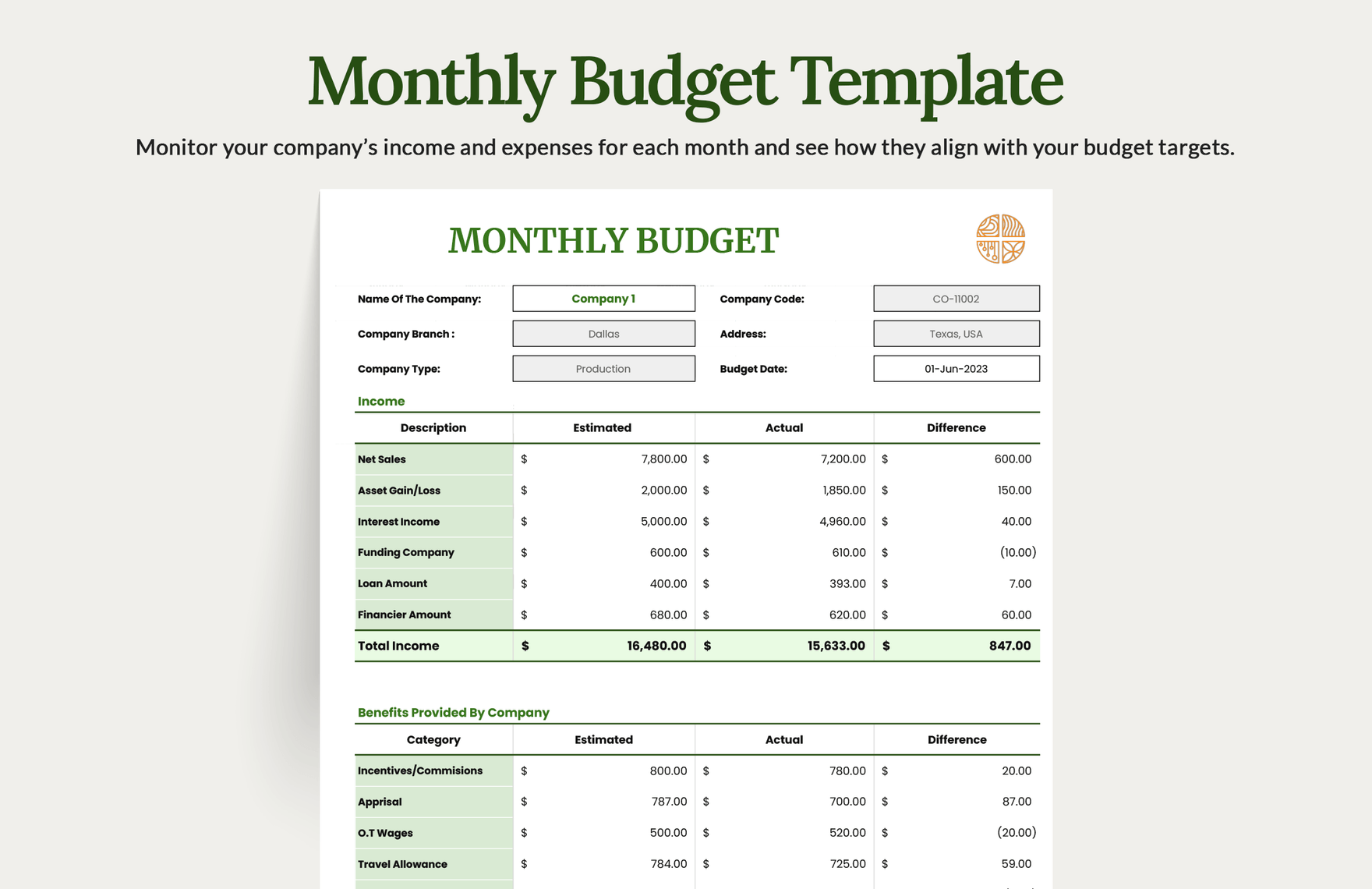
Taking Control of Your Finances with a Budget Planner Template
Creating a budget can seem daunting, but it's a crucial step in managing your finances effectively. A budget planner template can simplify the process, helping you track your income and expenses, identify areas for improvement, and make informed financial decisions. In this guide, we'll explore how to choose and use a free budget planner template to take control of your finances.
What is a Budget Planner Template?
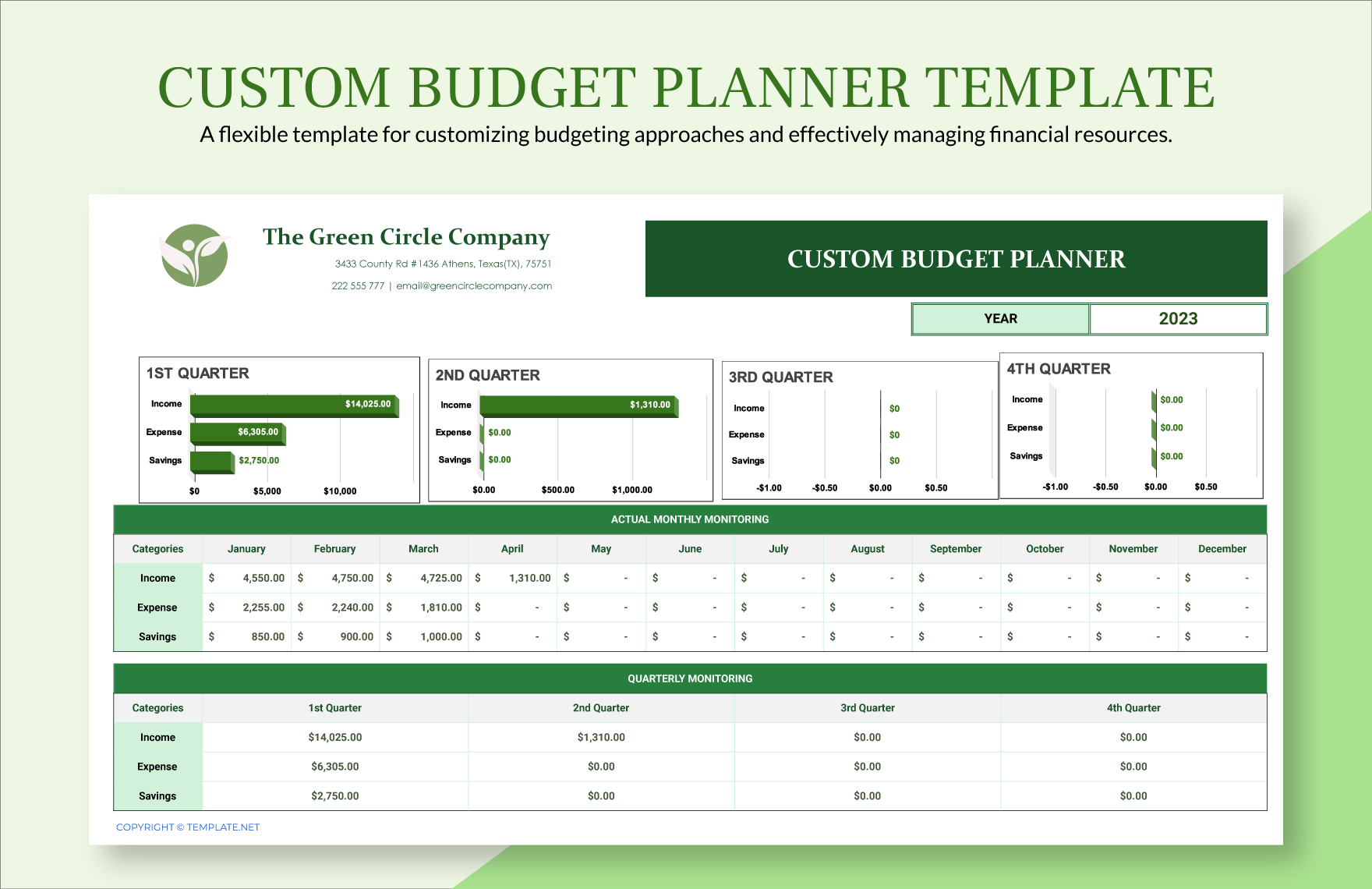
A budget planner template is a pre-designed spreadsheet or document that helps you create a budget. It typically includes sections for income, fixed expenses, variable expenses, and savings. By using a template, you can easily categorize your expenses, set financial goals, and monitor your progress. A well-structured template can save you time and effort, allowing you to focus on making smart financial decisions.
Benefits of Using a Free Budget Planner Template
Using a free budget planner template offers several benefits:
Easy to use: Templates are designed to be user-friendly, making it easy to input your financial data and generate a budget.
Customizable: Many templates allow you to customize the categories and sections to fit your specific financial needs.
Time-saving: Templates save you time and effort by providing a pre-designed structure for your budget.
Cost-effective: Free templates are, well, free! You can get started with budgeting without spending a dime.
Choosing the Right Budget Planner Template
With so many free budget planner templates available, it's essential to choose one that meets your needs. Consider the following factors:
Format: Do you prefer a spreadsheet (e.g., Excel, Google Sheets) or a document (e.g., Word, PDF)?
Complexity: Do you need a simple template or one with more advanced features (e.g., calculations, charts)?
Customization: Can you easily add or remove sections to fit your financial situation?
Some popular types of budget planner templates include:
50/30/20 budget template: Allocate 50% of your income to necessities, 30% to discretionary spending, and 20% to savings and debt repayment.
Zero-based budget template: Assign every dollar to a specific category or savings goal.
Envelope system template: Divide your expenses into categories (e.g., groceries, entertainment) and allocate a specific amount for each.
How to Use a Budget Planner Template
Once you've chosen a template, it's time to put it to use. Follow these steps:
- Gather financial information: Collect your pay stubs, bills, and other financial documents.
- Input data: Enter your income and expenses into the template.
- Categorize expenses: Assign each expense to a specific category (e.g., housing, transportation, food).
- Set financial goals: Identify areas for improvement and set specific goals (e.g., reducing debt, increasing savings).
- Monitor progress: Regularly review your budget to ensure you're on track to meet your goals.
Tips for Getting the Most Out of Your Budget Planner Template
To maximize the effectiveness of your budget planner template:
Be honest and accurate: Ensure your financial data is accurate and up-to-date.
Review regularly: Regularly review your budget to identify areas for improvement.
Adjust as needed: Don't be afraid to adjust your budget as your financial situation changes.
Common Mistakes to Avoid
When using a budget planner template, avoid the following common mistakes:
Not tracking expenses: Failing to track expenses can lead to inaccurate budgeting and financial decisions.
Not setting realistic goals: Setting unrealistic goals can lead to frustration and abandonment of your budget.
Not reviewing regularly: Failing to review your budget regularly can lead to missed opportunities for improvement.
FAQs
Q: What is the best free budget planner template?
The best template for you will depend on your specific financial needs and preferences. Consider factors like format, complexity, and customization.
Q: Can I use a budget planner template for business finances?
While budget planner templates are designed for personal finances, some templates can be adapted for business use. Look for templates specifically designed for business budgeting.
Q: How often should I review my budget?
Review your budget regularly, ideally every 1-3 months, to ensure you're on track to meet your financial goals.
Q: Can I use a budget planner template with multiple income sources?
Yes, many budget planner templates can accommodate multiple income sources. Look for templates with features like income aggregation or multiple income streams.
Conclusion
A free budget planner template can be a powerful tool in managing your finances effectively. By choosing the right template, customizing it to fit your needs, and using it consistently, you can take control of your finances and achieve your financial goals. Remember to review your budget regularly, adjust as needed, and avoid common mistakes to get the most out of your budget planner template.
Related: Side Hustle Ideas for Beginners: What Actually Makes Sense?
Related: Master Your Finances: Free Budget Planner Template
Related: 3 Budget Planning Tips
