
You've spent hours scrolling through job listings, only to feel like your applications are getting lost in the void. You've got the skills, the experience, and the drive – but somehow, your resume just isn't getting noticed. The problem? A dull, uninspired resume that fails to showcase your strengths.
Choosing the Right Template
The first step in crafting a winning resume is selecting a template that works for you. With so many options available, it can be overwhelming to decide where to start. Here are a few things to consider:
Industry: Different industries have different expectations when it comes to resume design. For example, a creative field like graphic design or writing might call for a more innovative template, while a traditional industry like finance or law might require something more conservative.
Experience level: If you're just starting out, a simple template with clear headings and bullet points can be a good choice. As you gain more experience, you may want to opt for a template that allows you to showcase your achievements in more detail.
Personal style: Your resume should reflect your personality and brand. If you're a creative person, you may want to choose a template that allows for more visual flair.
Some popular resume templates for beginners include:
Chronological: This template lists your work experience in reverse chronological order, with your most recent experience first.
Functional: This template emphasizes your skills and qualifications rather than your work history.
Combination: This template combines elements of both chronological and functional templates.
Understanding Resume Structure
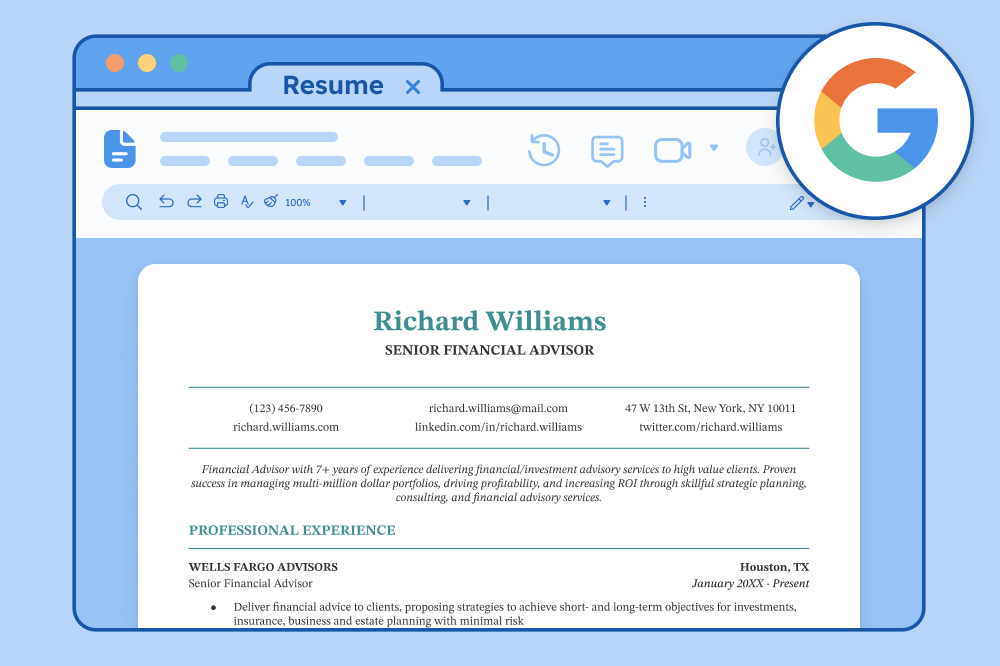
Once you've chosen a template, it's time to start filling in the content. A typical resume consists of several key sections:
Header: This includes your name, contact information, and professional summary.
Summary/Objective: This is a brief overview of your experience, skills, and career goals.
Education: This section lists your educational background, including degrees earned and relevant coursework.
Work Experience: This section details your work history, including job titles, company names, and achievements.
Skills: This section highlights your relevant skills and qualifications.
Writing a Compelling Summary
Your summary or objective statement is often the first thing a hiring manager will read. It should be brief, clear, and compelling. Here are a few tips to keep in mind:
Tailor it to the job: Customize your summary for each job you apply to, highlighting the skills and qualifications that match the job requirements.
Use keywords: Use keywords from the job posting to help your resume pass through applicant tracking systems (ATS).
Keep it concise: Aim for a summary that's no more than 2-3 sentences.

Showcasing Your Achievements
When it comes to showcasing your achievements, it's not just about listing your job responsibilities. You want to demonstrate the impact you made in your previous roles. Here are a few tips:
Use numbers: Quantify your achievements by using numbers and statistics. For example, "Increased sales by 25% in one quarter" or "Reduced project timeline by 30% through efficient workflow management."
Focus on accomplishments: Emphasize specific accomplishments and achievements rather than just listing your job duties.
Use action verbs: Use action verbs like "managed," "created," "developed," and "improved" to describe your achievements.
Common Mistakes to Avoid
When it comes to resume writing, there are a few common mistakes to avoid:
Typos and grammatical errors: A single mistake can make a negative impression and hurt your chances of getting hired.
Poor formatting: Make sure your resume is easy to read and scan, with clear headings and bullet points.
Lack of relevance: Tailor your resume to the job you're applying for, highlighting the skills and qualifications that match the job requirements.
A Quick Comparison: Traditional vs. Modern Resumes
| Traditional Resume | Modern Resume |
|---|---|
| <strong>Design</strong> | Conservative, formal design |
| <strong>Length</strong> | Typically 1-2 pages |
| <strong>Focus</strong> | Emphasizes work experience and qualifications |
FAQs
Q: What's the best resume template for a beginner? A simple, chronological template with clear headings and bullet points is often a good choice for beginners.
Q: How long should my resume be?
Typically, a resume should be 1-2 pages, but it can be longer if you have extensive experience.
Q: What should I include in my summary?
Your summary should include a brief overview of your experience, skills, and career goals, tailored to the job you're applying for.
Q: How can I make my resume stand out?
Use keywords, quantify your achievements, and use a clear, concise writing style to make your resume stand out.
Final Tips and Next Steps
Crafting a winning resume takes time and effort, but with these tips and a little practice, you can create a resume that showcases your strengths and helps you land your dream job. Remember to:
Tailor your resume to the job: Customize your resume for each job you apply to, highlighting the skills and qualifications that match the job requirements.
Use clear, concise language: Avoid jargon and overly technical language, and use clear, concise headings and bullet points.
- Proofread carefully: Double-check your resume for typos, grammatical errors, and formatting issues.
By following these tips and creating a strong resume, you'll be well on your way to landing your next job and taking your career to the next level.
Related: Small Business Ideas in the USA for Beginners: A Practical
Related: 5 Useful Things to Know About Apologizing Professionally in
Related: 5 Useful Things to Know About Cheap Marketing Ideas for Small
Related: Boosting Online Course Sales: 15 Marketing Tips for Success
