

As you start your job search, a well-crafted resume is essential to stand out from the competition. But what makes a great resume? For beginners, the process can seem daunting, especially when faced with numerous templates and design options. In this article, we'll walk you through the basics of resume templates and provide expert advice on creating a winning resume that showcases your skills and experience.
Choosing the Right Resume Template
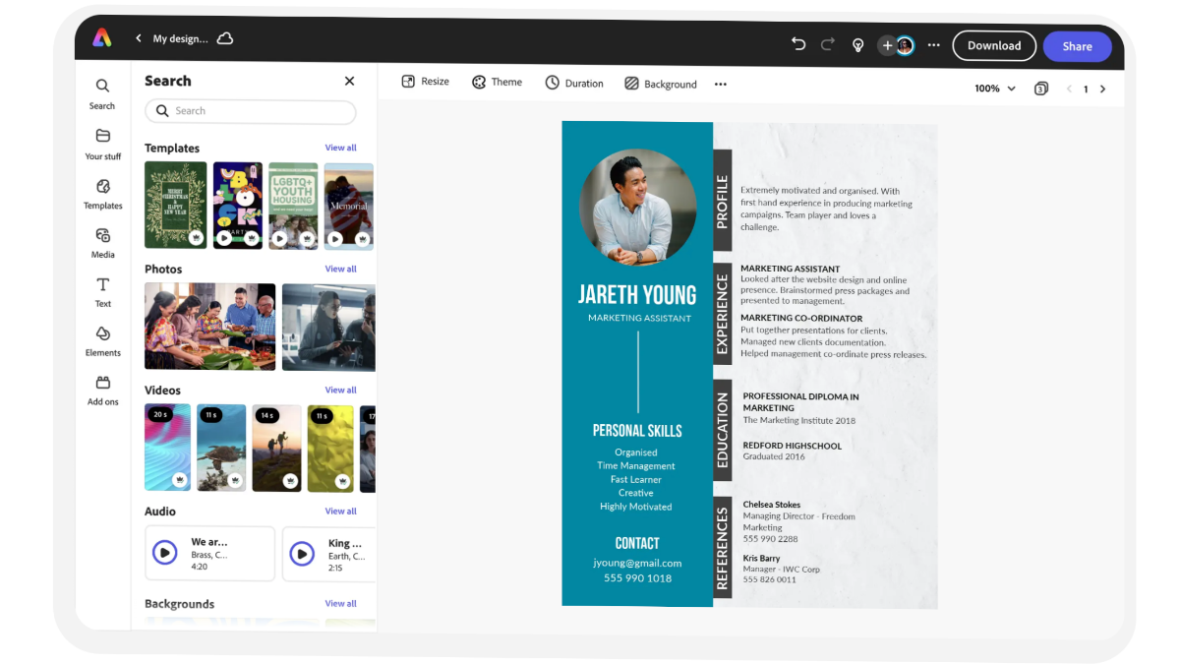
With countless templates available, selecting the right one can be overwhelming. A good template should complement your content, not overshadow it. Consider the industry you're applying to and the level of formality you want to convey. For example, a creative field might allow for a more artistic template, while a traditional industry may require a more conservative approach.When browsing templates, look for the following features:
Clean and concise layout
Easy-to-read font
Ample white space for a professional look
Customizable sections to fit your needs
Understanding Resume Structure
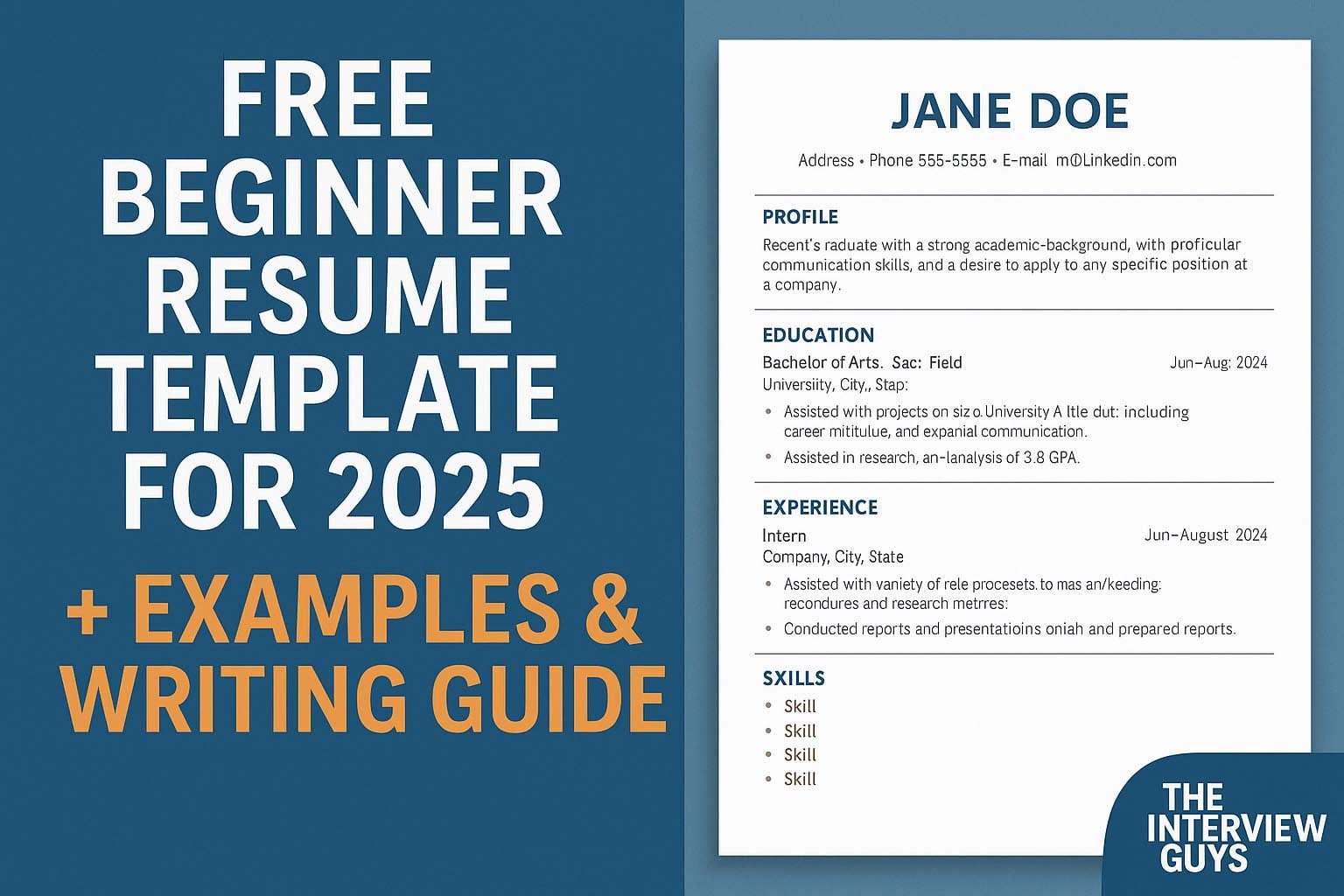
A typical resume consists of several key sections: Contact information
Professional summary or objective
Education
Work experience
Skills
Achievements
Don't feel like you need to include every section. Focus on the most relevant information that showcases your strengths and experience.
Resume Template Types
There are several types of resume templates to choose from, each with its own unique characteristics:Chronological Resume Template
Emphasizes work experience, listing jobs in reverse chronological order. Suitable for those with extensive work experience.Functional Resume Template
Highlights skills and qualifications rather than work history. Ideal for those with gaps in employment or limited work experience.Combination Resume Template
Balances work experience and skills. A good option for those with some work experience and relevant skills.Creating a Standout Resume
A great resume template is just the starting point. To make your resume truly stand out, focus on the following: Tailor your resume to the job: Customize your resume for each job application, highlighting the skills and experience that match the job requirements.
Use action verbs: Use action verbs like "managed," "created," and "developed" to describe your achievements.
Quantify your achievements: Use numbers and statistics to demonstrate the impact of your work.
"A well-crafted resume is not just a summary of your experience; it's a story that showcases your skills, achievements, and passion for the industry." - Jane Doe, Career Coach
Common Resume Mistakes to Avoid
As a beginner, it's easy to make mistakes that can hurt your chances of getting noticed. Here are some common mistakes to avoid: Typos and grammatical errors: A single mistake can make a negative impression and raise doubts about your attention to detail.
Poor formatting: Inconsistent font sizes, margins, and spacing can make your resume look unprofessional.
Lack of relevance: Failing to tailor your resume to the job requirements can make it seem like you're not a strong fit.
Expert Tips for Resume Success
To take your resume to the next level, follow these expert tips: Use keywords: Incorporate relevant keywords from the job description to help your resume pass through applicant tracking systems (ATS).
Use a professional summary: Begin your resume with a professional summary that highlights your most significant achievements and qualifications.
- Keep it concise: Keep your resume to one or two pages, focusing on the most important information.
Comparison of Popular Resume Templates
| Template | Industry | Level of Formality | Customizable Sections |
|---|---|---|---|
| Modern | Creative | Low | 5+ sections |
| Classic | Traditional | High | 3-4 sections |
| Professional | Corporate | Medium | 4-5 sections |
FAQs
Q: What is the best resume template for a beginner?
A simple, easy-to-read template with a clean layout is a good starting point. Consider a chronological or combination template.
Q: How do I choose the right font for my resume?
Stick to standard fonts like Arial, Calibri or Helvetica. Avoid using fonts that are too ornate or difficult to read.
Q: How long should my resume be?
Keep your resume to one or two pages, focusing on the most important information.
Q: Can I use a template for a creative field?
Yes, but make sure it's not too flashy or over-the-top. A creative template should still convey professionalism and attention to detail.
Final Tips and Next Steps
Creating a winning resume takes time and effort, but with the right template and expert advice, you can increase your chances of success. Remember to tailor your resume to each job application, use action verbs and quantify your achievements. With persistence and practice, you'll craft a standout resume that showcases your skills and experience. Take the next step and start building your dream resume today.Related: Crafting a Musician Resume Template for Beginners to Stand Out
Related: What to Know About Effective Online Study Sessions
Related: A Practical Guide to Travel Checklist Templates in Word
