
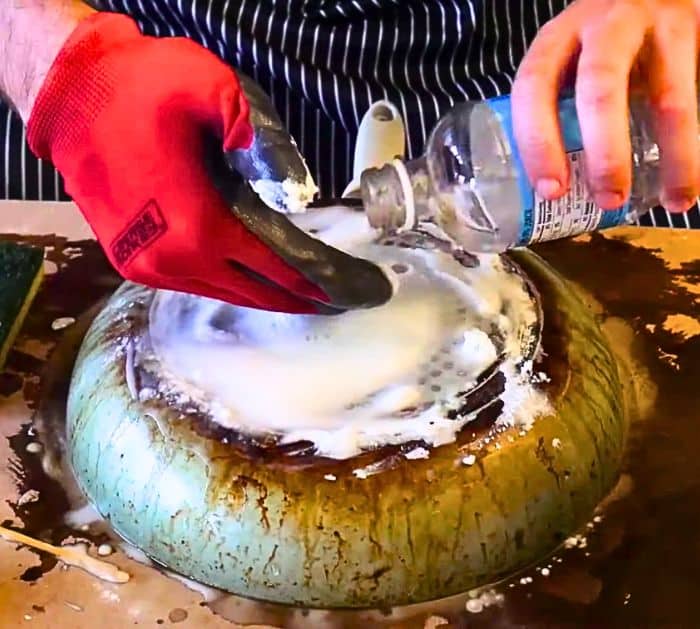
The burnt pan bottom - a common kitchen nemesis that can quickly turn a joyful cooking experience into a frustrating ordeal. We've all been there: a moment of distraction, a misplaced timer, and suddenly, a once-pristine pan is caked with a stubborn, charred residue. But fear not, dear cooks! Cleaning burnt pan bottoms doesn't have to be a Herculean task. With the right techniques, products, and preventive measures, you can restore your cookware to its former glory and enjoy a stress-free cooking experience.
Understanding the Enemy: What Causes Burnt Pan Bottoms?
Before we dive into the cleaning solutions, it's essential to understand the science behind burnt pan bottoms. When food residue is left to simmer or burn on the pan's surface, it undergoes a process called pyrolysis, where the organic materials decompose and form a hard, carbonized crust. This crust, also known as "burnt offering," is incredibly resilient and can withstand high temperatures, making it a formidable foe in the kitchen.
Prevention is the Best Medicine: Tips to Avoid Burnt Pan Bottoms
An ounce of prevention is worth a pound of cure, as the saying goes. To minimize the risk of burnt pan bottoms, follow these simple tips:
Always use a gentle heat setting when cooking with sticky or sugary foods.
Stir your food regularly, especially when cooking with high-risk ingredients like rice, pasta, or eggs.
Don't leave your pan unattended, even for a short period.
Use a non-stick pan or a well-seasoned cast-iron skillet for delicate foods.
Clean your pan immediately after use, or at least soak it in warm soapy water.
The Cleaning Arsenal: Methods to Conquer Burnt Pan Bottoms
Now that we've covered prevention, let's move on to the fun part - cleaning! Here are some effective methods to tackle burnt pan bottoms:

The Baking Soda and Water Method
This classic technique is a staple for a reason. Mix 1 tablespoon of baking soda with 2 tablespoons of water to form a paste. Apply the paste to the burnt area and let it sit for 30 minutes to an hour. Then, scrub the pan gently with a non-abrasive sponge or cloth and rinse with warm water. For tougher burnt residue, you can let the paste sit overnight and scrub it off in the morning.
The Vinegar and Water Method
Acidic vinegar is a natural enemy of burnt residue. Fill the pan with equal parts water and white vinegar, and bring it to a boil. Reduce the heat and let it simmer for 30 minutes to an hour. The acid will help break down the burnt crust, making it easier to scrub off.
The Dishwasher Detergent Method
For particularly stubborn burnt pans, try using a small amount of dishwasher detergent. Apply the detergent directly to the burnt area and add hot water to create a paste. Let it sit for 30 minutes to an hour before scrubbing and rinsing.
Product Spotlight: Specialized Cleaning Solutions
While the above methods are effective, sometimes you need a little extra help. Here are some specialized cleaning products that can make the task easier:
Bar Keepers Friend: A popular powdered cleanser that's specifically designed to tackle tough burnt residue.
Scouring Bubbles: A powerful spray that can help loosen and remove burnt crust.
Easy-Off: A gentle, non-abrasive cleaner that's perfect for delicate surfaces.
Comparison Time: Cleaning Methods Put to the Test
But which cleaning method reigns supreme? We put three popular methods to the test:
| Method | Effectiveness | Ease of Use | Time Required |
|---|---|---|---|
| Baking Soda and Water | 8/10 | 9/10 | 30 minutes to 1 hour |
| Vinegar and Water | 7/10 | 8/10 | 1-2 hours |
| Dishwasher Detergent | 9/10 | 8/10 | 30 minutes to 1 hour |
The Final Verdict: A Stress-Free Cleaning Experience
Cleaning burnt pan bottoms doesn't have to be a daunting task. By understanding the causes of burnt residue, taking preventive measures, and using the right cleaning techniques and products, you can keep your cookware in top condition and enjoy a stress-free cooking experience. Remember, a little bit of elbow grease and the right approach can go a long way in keeping your kitchen clean and functional.
Frequently Asked Questions
Q: How do I prevent burnt pan bottoms when cooking with sticky foods? Use a non-stick pan, stir your food regularly, and don't leave the pan unattended.
Q: Can I use abrasive cleaners to clean burnt pan bottoms?
No, abrasive cleaners can damage your pan's surface. Instead, opt for gentle cleaning methods or specialized cleaning products.
- Q: How do I clean a burnt stainless steel pan?
Try using the baking soda and water method or a specialized cleaning product like Bar Keepers Friend.
Closing Thoughts
A clean kitchen is a happy kitchen. By following the tips and techniques outlined in this article, you'll be well on your way to a stress-free cooking experience. Happy cooking, and may your pans always be clean!
Related: how to stop impulse buying habits
Related: A Practical Guide to Study Tips That Help You Memorize Faster
