
TITLE: A Practical Guide to Removing Oil Stains from Clothes Fast
META_DESC: Learn how to remove oil stains from clothes quickly and effectively with our step-by-step guide, saving you time and stress.
TAGS: stain removal, oil stains, clothing care, laundry tips, cleaning hacks, fashion, lifestyle, DIY
CATEGORY: Lifestyle
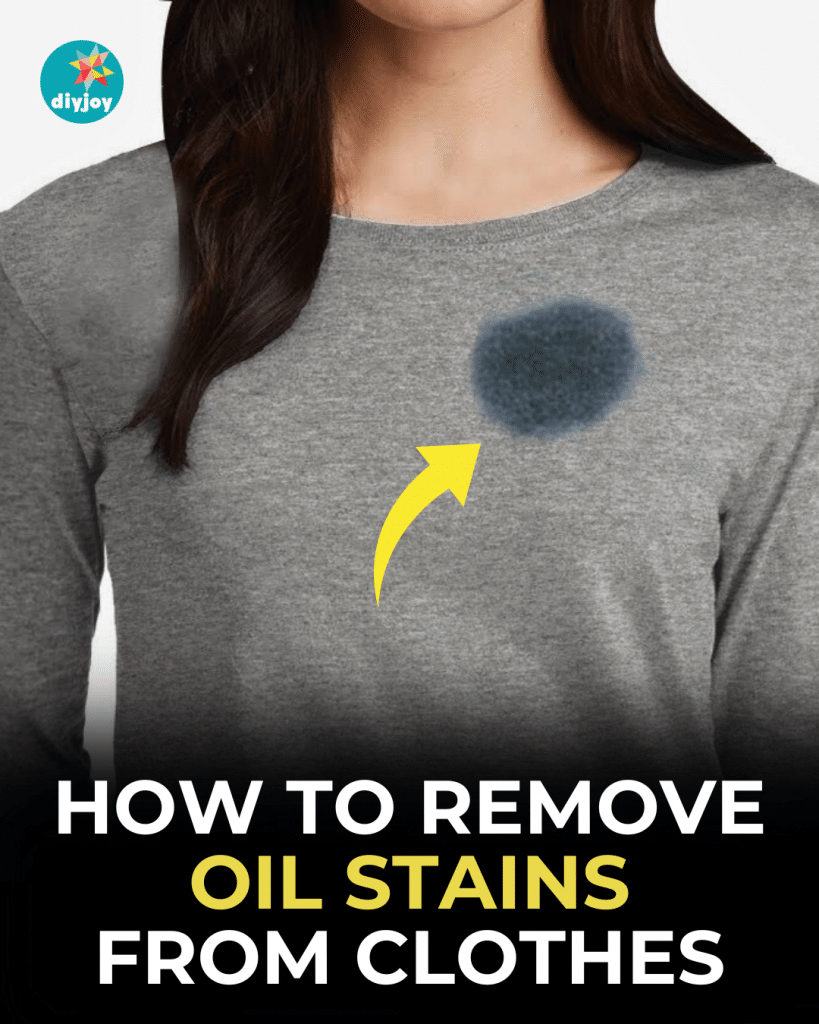
Removing oil stains from clothes can be a frustrating and seemingly impossible task. We've all been there - a careless moment, a spill, and suddenly our favorite shirt or pants are marred by an unsightly stain. But before you consider tossing that garment, take a deep breath and know that there's hope. With the right techniques and a bit of quick thinking, you can increase your chances of completely removing oil stains from clothes.
Act Fast: The Key to Successful Stain Removal
When dealing with oil stains, time is of the essence. The sooner you treat the stain, the better your chances of removing it completely. Oil can permanently bond with fabric if it's allowed to sit for too long, making it much harder to remove. So, as soon as you notice the stain, get to work.
Start by blotting the stain with a clean cloth or paper towel to absorb as much of the excess oil as possible. Don't rub the stain, as this can push it deeper into the fabric. Instead, gently blot it, working from the outside in to prevent spreading the stain.
Pre-Treatment Methods That Work
Before you reach for commercial stain removers, try these simple pre-treatment methods that can make a big difference.
- Baking soda and water: Make a paste with baking soda and water, and apply it to the stain. Let it sit for 30 minutes to an hour before rinsing with cold water. The baking soda acts as a gentle abrasive, helping to lift the oil out of the fabric.
- Dish soap: Yes, you read that right. A small amount of dish soap can be effective at breaking down oil. Apply a tiny bit directly to the stain, work it in gently with your fingers, and then rinse with cold water.
- White vinegar: White vinegar is a natural solvent that can help dissolve and remove oil stains. Dilute it with water (1 part vinegar to 2 parts water), apply it to the stain, and let it sit for about 10 minutes before rinsing.
Choosing the Right Stain Remover
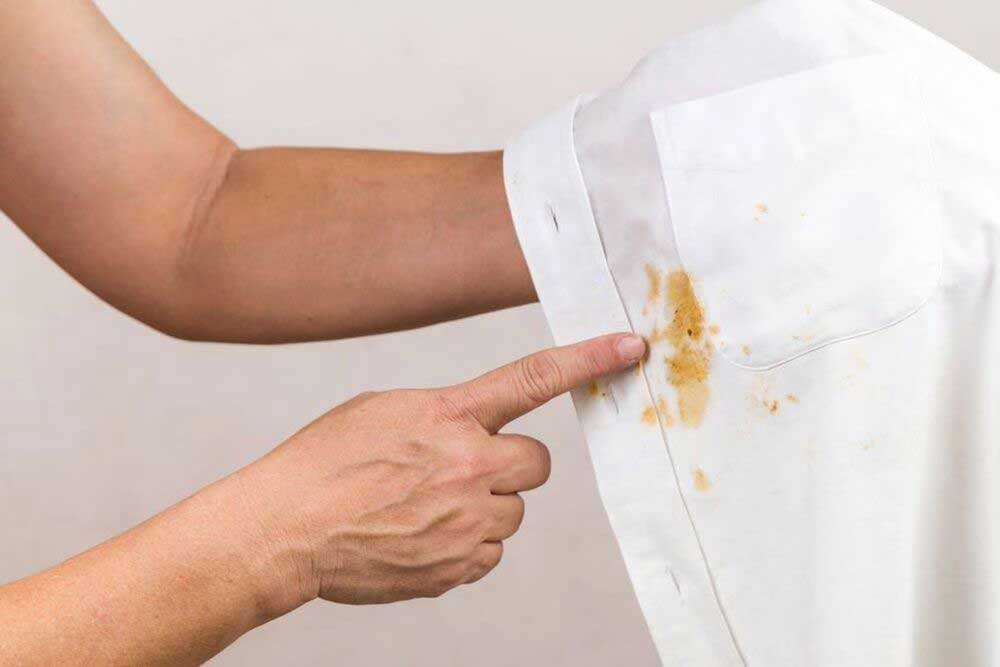
When it comes to commercial stain removers, there are many options available. But which one should you choose? Here's a quick comparison of some popular stain removers:
| <strong>Product</strong> | <strong>Key Ingredient</strong> | <strong>Best For</strong> |
|---|---|---|
| OxiClean | Sodium percarbonate | Tough, set-in stains |
| Shout Advanced Stain Remover | Ethanol, enzymes | Grease and oil-based stains |
| Tide To Go Instant Stain Remover | Ethanol, surfactants | Quick, on-the-go stain removal |
Laundry Tips for Tough Stains
Sometimes, despite your best efforts, oil stains just won't budge. That's when it's time to bring out the big guns. Here are some laundry tips to help tackle tough stains:
- Pre-treat with a stain stick: Before washing, apply a stain stick directly to the stain. These products are designed to penetrate deep into fabric and can be very effective at removing oil stains.
- Use hot water: If the stain is still present after pre-treatment, try washing the garment in hot water. This can help to break down and remove the oil.
- Add a stain-fighting booster: Consider adding a product like OxiClean or Biz to your wash load. These products can help to lift and remove tough stains.
Preventing Oil Stains in the Future
An ounce of prevention is worth a pound of cure. Here are some tips to help prevent oil stains from happening in the first place:
- Be mindful of food and drink: When eating or cooking, be careful not to spill oily foods or dressings on your clothes.
- Wear an apron: If you're working on a project that involves oil or grease, consider wearing an apron to protect your clothes.
- Use a stain repellent: Consider applying a stain repellent to your clothes before wearing them. These products can help to protect fabric from stains and make cleanup easier.
When to Seek Professional Help
Sometimes, despite your best efforts, oil stains just won't come out. If you've tried every trick in the book and the stain is still present, it may be time to seek professional help. Consider taking the garment to a professional cleaner who specializes in stain removal. They will have access to specialized equipment and cleaning solutions that can help to remove even the toughest stains.
Frequently Asked Questions
Q: Can I use hair dryers to speed up the drying process after treating an oil stain?
No, it's not recommended to use a hair dryer to speed up the drying process. Heat can set the stain, making it much harder to remove.
Q: Will rubbing alcohol remove oil stains from clothes?
Rubbing alcohol can be effective at removing some types of stains, but it's not always the best choice for oil stains. It can help to break down the oil, but it may also damage certain types of fabric.
Q: Can I use sand or dirt to absorb oil stains?
While it might seem like a good idea to use sand or dirt to absorb oil stains, it's not recommended. These materials can actually make the stain worse by pushing it deeper into the fabric.
A Final Note
Removing oil stains from clothes can be a challenge, but it's not impossible. By acting fast, using the right pre-treatment methods, and choosing the right stain remover, you can increase your chances of completely removing oil stains. And if all else fails, don't be afraid to seek professional help. With a little patience and persistence, you can save your favorite garments from the stain graveyard.
