
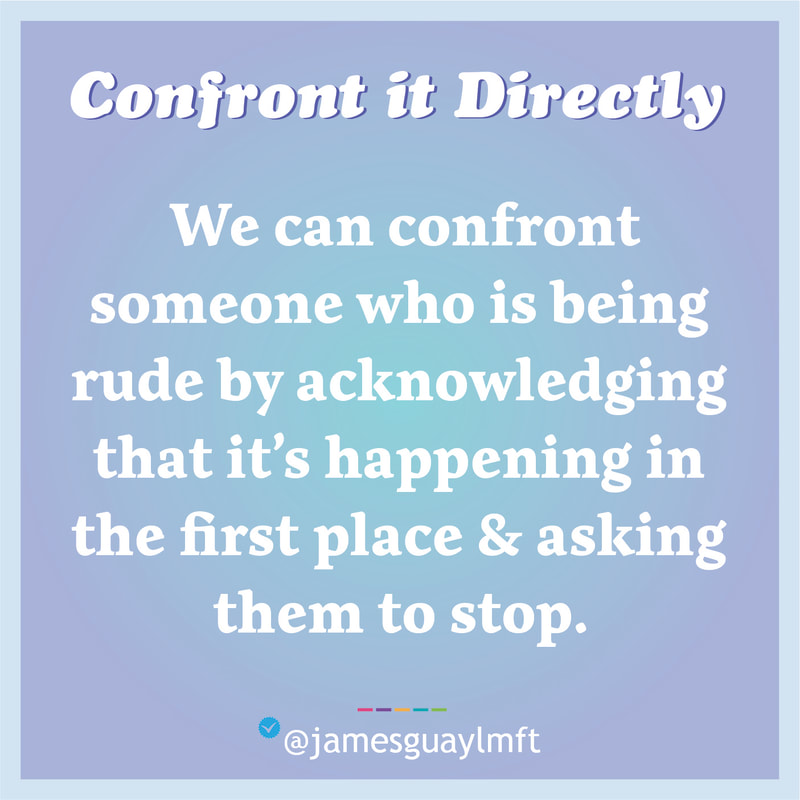
Responding to rude people is an inevitable part of life, whether it's a confrontational stranger, a disagreeable colleague, or a difficult family member. The way you respond can significantly impact the situation's trajectory, influencing not just the immediate interaction but also your long-term well-being and relationships.
Understanding the Dynamics of Rudeness
Rudeness often stems from a person's emotional state, their perception of a situation, or their general disposition. It can be a defense mechanism, a cry for attention, or simply a bad habit. Understanding that rudeness is usually about the other person, not you, is crucial. This perspective allows you to maintain your composure and respond thoughtfully.
The Impact of Responding Rudely
Responding rudely to rudeness can escalate the situation, leading to more conflict and stress. It can also damage your reputation and relationships, both personally and professionally. On the other hand, responding politely, even when faced with rudeness, can de-escalate conflicts, show your emotional intelligence, and maintain healthy relationships.
The Art of Polite Responses
Polite responses to rudeness don't equate to being passive or submissive. Instead, they reflect a strategic choice to manage the situation effectively while maintaining your dignity and respect for others.
Staying Calm and Collected
The first step in responding politely to rudeness is to remain calm. This can be challenging, especially if the rude comment is personal or hurtful. However, staying calm helps you think more clearly and respond more constructively.
- Take a moment: If needed, pause before responding. A brief delay can help you gather your thoughts.
- Breathe: A few deep breaths can reduce your immediate stress response.
Active Listening
Sometimes, people act rudely because they feel misunderstood or ignored. Active listening can address this root cause.
- Repeat back: What you've understood from their message or complaint.
- Ask clarifying questions: To ensure you fully understand their perspective.
Strategies for Polite Responses
Several strategies can help you respond politely to rudeness.
The Power of Empathy
Showing empathy doesn't mean you agree with the person's viewpoint, but it acknowledges their feelings.
"I can see that you're really upset about this. Can we talk about what's bothering you?"
Setting Boundaries
If someone's behavior is consistently rude or toxic, it may be necessary to set clear boundaries.
- Be direct: Clearly state what behavior is unacceptable.
- Be firm but polite: Use a firm tone without being aggressive.
The Grey Rock Method
This method involves remaining neutral and unemotional, like a grey rock.
- Don't take the bait: Avoid engaging with provocative comments.
- Stay neutral: Keep your responses bland and uninteresting to the provocateur.
Comparison of Response Strategies
| Strategy | Description | Effectiveness in De-escalation | Suitability for Repeated Offenders |
|---|---|---|---|
| Empathy | Acknowledging and validating the person's feelings. | High | Medium |
| Boundary Setting | Clearly stating what behavior is unacceptable. | High | High |
| Grey Rock | Remaining neutral and unemotional, not engaging with provocations. | Medium | High |
Practical Applications
In the Workplace
Dealing with rudeness at work can be particularly challenging. Here, maintaining professionalism is key.
- Document incidents: Keep a record of rude behavior, especially if it affects work performance.
- Seek support: Talk to a supervisor or HR about persistent issues.
In Personal Relationships
Rudeness from family or friends can be emotionally draining.
- Communicate openly: Address issues as they arise.
- Set clear expectations: For how you wish to be treated.
Insights into Human Behavior
Understanding why people are rude can help you respond more effectively.
Psychological Perspectives
Rudeness can be a sign of insecurity, fear, or frustration. Viewing it through this lens can foster compassion.
Cultural Considerations
Cultural backgrounds can influence perceptions of rudeness and politeness.
- Be aware of cultural differences: What is considered rude in one culture may not be in another.
FAQs
Q: How do I respond to a rude comment on social media?
Ignore it if possible. If you must respond, do so politely and without engagement. Report if necessary.
Q: What if someone is consistently rude to me?
Set clear boundaries. If the behavior continues, consider limiting your interaction or seeking support.
Q: Can being polite to rude people be seen as weakness?
No, it's a sign of strength and emotional intelligence. It shows you're capable of managing difficult situations.
Q: How can I teach children to respond politely to rudeness?
Model polite responses yourself, discuss why rudeness happens, and role-play different scenarios.
Final Reflections
Responding to rudeness with politeness is not about being submissive; it's about choosing your battles wisely and maintaining your integrity. By employing strategies like empathy, boundary setting, and remaining calm, you can de-escalate conflicts and foster healthier relationships. It's a skill that takes practice but offers significant rewards in both personal and professional settings.
Related: top pet care tips
Related: Easing Laptop - Induced Back Pain: A Practical Guide
Related: How to Fix Laptop Overheating Quickly and Easily
Related: Adhd Study Tips Therapist Aid
Related: Meal Prep Ideas for Beginners: What Actually Makes Sense?
