
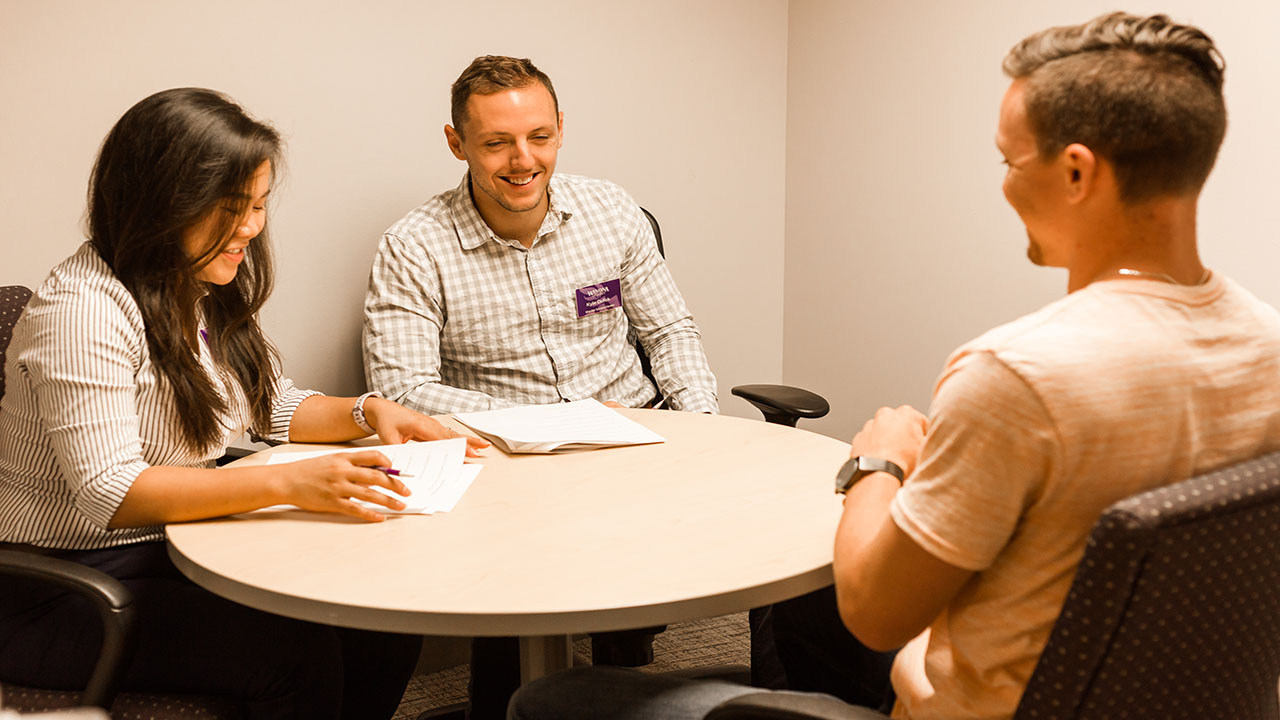
Understanding the Art of Interview Storytelling
When it comes to acing a job interview, the way you answer questions can make all the difference. A well-crafted response can turn a mundane question into an opportunity to showcase your skills, experience, and personality. However, many job seekers struggle to articulate their thoughts and experiences in a clear and compelling way. The key to success lies in mastering the art of interview storytelling.
Preparing for Common Interview Questions
Before we dive into the nitty-gritty of interview storytelling, let's talk about preparation. Familiarizing yourself with common interview questions is essential to making a strong impression. According to a survey by Glassdoor, 50% of job seekers reported that they were asked to provide examples of their past experiences during an interview. Here are some of the most common interview questions:
Can you tell me about a time when...?
What are your strengths and weaknesses?
Why do you want to work for this company?
Where do you see yourself in five years?
The STAR Method: A Framework for Success
One popular framework for answering behavioral interview questions is the STAR method. STAR stands for Situation, Task, Action, and Result. This framework helps you structure your response in a clear and concise way.
Situation: Set the context for your story
Task: Explain the task or challenge you faced
Action: Describe the actions you took to address the challenge
Result: Share the outcome of your actions
Example: Using the STAR Method
Let's say you're asked to provide an example of a time when you overcame a difficult challenge. Here's an example response using the STAR method:
Situation: In my previous role as a marketing coordinator, we were launching a new product and needed to create a social media campaign within a tight deadline.
Task: My task was to create a social media campaign that would generate buzz and drive sales.
Action: I worked closely with the design team to create engaging graphics and developed a content calendar to ensure consistent posting.
Result: We achieved a 25% increase in followers and a 15% increase in sales within the first month of the campaign.

Balancing Confidence and Humility
When answering interview questions, it's essential to strike a balance between confidence and humility. You want to showcase your skills and experiences without coming across as arrogant or entitled. A study by CareerBuilder found that 58% of employers reported that confidence was an essential quality for success in a job candidate.
Insight: The Power of Specificity
Specificity is key when answering interview questions. Avoid generic responses that could apply to any job or company. Instead, focus on specific examples and experiences that demonstrate your skills and qualifications. For example, instead of saying "I'm a team player," say "In my previous role, I worked closely with a cross-functional team to launch a new product, and we achieved a 20% increase in sales within the first quarter."
A Practical Section: Tips for Answering Common Interview Questions
Here are some practical tips for answering common interview questions:
Be specific: Use specific examples and experiences to demonstrate your skills and qualifications.
Use the STAR method: Structure your response using the STAR framework to ensure clarity and concision.
Show enthusiasm and interest: Demonstrate your passion for the company and the role.
Highlight your achievements: Emphasize your achievements and the impact you made in your previous roles.
Comparison: Traditional vs. Behavioral Interview Questions
Traditional interview questions focus on your background, education, and experience. Behavioral interview questions, on the other hand, focus on your past experiences and behaviors as a way to predict future performance.
| <strong>Traditional Interview Questions</strong> | <strong>Behavioral Interview Questions</strong> |
|---|---|
| What are your strengths and weaknesses? | Can you tell me about a time when you overcame a difficult challenge? |
| Why do you want to work for this company? | Describe a project you managed from start to finish and the results you achieved. |
FAQs
Here are some frequently asked questions about answering interview questions:
Q: What are some common mistakes to avoid when answering interview questions? Common mistakes include being too generic, not providing specific examples, and not showing enthusiasm and interest in the company and role.
Q: How can I prepare for behavioral interview questions?
Prepare by reviewing common behavioral interview questions, practicing your responses using the STAR method, and preparing examples of your past experiences.
- Q: What are some tips for answering "What are your strengths and weaknesses?"
Be honest about your weaknesses, but also talk about what you're doing to improve them. Highlight your strengths and provide specific examples of how they've helped you achieve success.
Closing
Mastering the art of interview storytelling takes practice, but with the right strategies and techniques, you can ace your next job interview. Remember to prepare for common interview questions, use the STAR method to structure your responses, and balance confidence and humility. With these tips and a little practice, you'll be well on your way to landing your dream job.
Related: What to Know About Online Template Downloads for Resumes
Related: Free Online Resume Templates to Land Your Dream Job
Related: What to Know About Easy Free Design Tools for Beginners
