

Introduction to Meal Prep
Meal prep, short for meal preparation, has become a popular strategy for individuals looking to manage their time, eat healthily, and save money. The concept involves preparing meals in advance, typically for a week, to ensure that you have healthy food on hand and reduce the need for last-minute, often unhealthy, food choices. But what actually makes sense when it comes to meal prep ideas for a week? How can you make meal prep work for you, and what are the pitfalls to avoid?
Assessing Your Meal Prep Needs
Before diving into meal prep ideas, it's essential to assess your needs and goals. Consider your dietary requirements, lifestyle, and preferences. Are you looking to lose weight, gain muscle, or simply eat healthier? Do you have any food allergies or intolerances? How much time do you have available for meal prep, and what is your budget for food?
Understanding your needs will help you create a meal prep plan that is tailored to your lifestyle and goals. For example, if you're a busy professional with limited time, you may want to focus on quick and easy meal prep ideas that can be prepared in under 30 minutes. On the other hand, if you're an athlete or have specific dietary needs, you may require more complex and customized meal prep plans.
Meal Prep Ideas for a Week
Here are some practical meal prep ideas for a week, categorized by meal type:
Breakfast Meal Prep Ideas
Overnight oats: Prepare individual jars with oats, milk, and your choice of toppings (e.g., fruit, nuts, seeds) for a quick and healthy breakfast.
Muffin tin frittatas: Whisk together eggs, milk, and diced vegetables, pour into muffin tins, and bake until set. These make for a convenient and protein-packed breakfast on-the-go.
Breakfast burritos: Scramble eggs, add black beans, cheese, and your choice of fillings (e.g., sausage, bacon, bell peppers), then wrap in tortillas and freeze for up to 3 months.
Lunch Meal Prep Ideas
Salad jars: Layer mixed greens, vegetables, and proteins (e.g., chicken, tuna, tofu) in a jar for a healthy and easy lunch.
Soup containers: Prepare a large batch of soup (e.g., lentil, vegetable, chicken noodle) and portion into individual containers for a quick and comforting lunch.
Wraps and sandwiches: Prepare a variety of fillings (e.g., turkey, ham, cheese, vegetables) and assemble sandwiches or wraps just before serving.
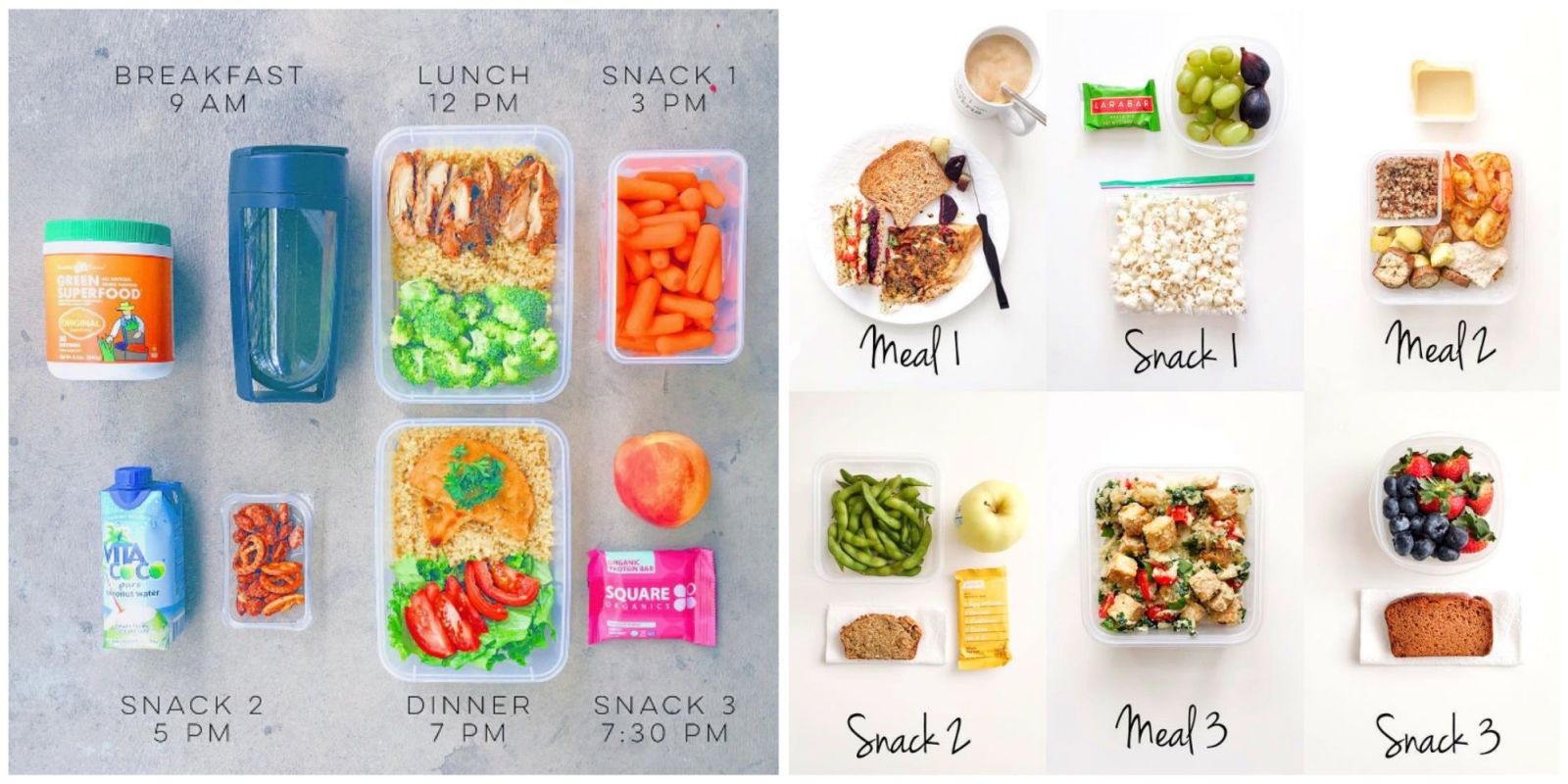
Dinner Meal Prep Ideas
Slow cooker meals: Prepare a slow cooker with your choice of protein (e.g., chicken, beef, pork) and vegetables, and let cook throughout the day for a hands-off dinner.
Rice bowls: Cook a large batch of rice and top with different proteins (e.g., chicken, salmon, tofu) and vegetables for a quick and easy dinner.
Casseroles: Prepare a large casserole with your choice of protein, vegetables, and grains, and portion into individual containers for a convenient dinner.
Comparison of Meal Prep Methods
| Method | Time Required | Cost | Convenience |
|---|---|---|---|
| Slow Cooker | 15-30 minutes | $ | High |
| One-Pot Meals | 30-60 minutes | $$ | Medium |
| Individual Containers | 60-90 minutes | $$$ | High |
When choosing a meal prep method, consider the tradeoffs between time, cost, and convenience. Slow cooker meals, for example, require minimal time and effort but may be more expensive due to the need for specific ingredients. One-pot meals, on the other hand, can be cost-effective but may require more time and effort.
Tips for Successful Meal Prep
Plan ahead: Take some time to plan your meals, make a grocery list, and shop for ingredients.
Shop smart: Buy in bulk, choose seasonal produce, and opt for affordable protein sources (e.g., beans, eggs, canned tuna).
Prep in advance: Set aside a few hours on the weekend or a day off to prep meals for the week.
Store safely: Use airtight containers, label and date meals, and store in the fridge or freezer according to food safety guidelines.
Common Meal Prep Mistakes to Avoid
Overprepping: Avoid prepping too much food, which can lead to waste and burnout.
Underestimating time: Be realistic about the time required for meal prep, and plan accordingly.
Not considering dietary needs: Make sure to take into account any dietary restrictions or preferences when planning meals.
Meal Prep for Specific Diets
Meal prep can be adapted to various dietary needs and preferences. Here are some examples:
Vegan meal prep: Focus on plant-based protein sources (e.g., beans, tofu, tempeh) and a variety of vegetables and whole grains.
Gluten-free meal prep: Choose gluten-free grains (e.g., rice, quinoa, corn) and be mindful of hidden sources of gluten (e.g., sauces, seasonings).
Keto meal prep: Focus on high-fat, low-carbohydrate meals, including protein sources (e.g., meat, poultry, fish) and healthy fats (e.g., avocado, olive oil).
Frequently Asked Questions
Q: How long does meal prep last?
Meal prep can last anywhere from 3 to 7 days, depending on the type of food and storage conditions.
Q: Can I meal prep if I have dietary restrictions?
Yes, meal prep can be adapted to various dietary needs and preferences. Consider consulting with a registered dietitian or nutritionist for personalized guidance.
Q: How do I prevent meal prep boredom?
Mix and match different protein sources, vegetables, and whole grains to keep meals interesting and varied.
- Q: Can I meal prep on a budget?
Yes, meal prep can be cost-effective. Plan ahead, shop smart, and choose affordable protein sources and ingredients.
Conclusion
Meal prep can be a game-changer for individuals looking to manage their time, eat healthily, and save money. By assessing your needs, choosing the right meal prep method, and following tips for successful meal prep, you can make meal prep work for you. Avoid common mistakes, consider dietary needs, and don't be afraid to get creative with your meal prep ideas. With a little planning and effort, you can enjoy healthy, delicious meals all week long.
Related: A Practical Guide to Digital Meal Prep Planner Templates Free
Related: A Practical Guide to Creating a Resume with Template Online
Related: Free Budget Planner Template: What Actually Makes Sense?
