

As a student entering the job market, you're likely to face stiff competition from peers and experienced professionals alike. One way to stand out from the crowd is by crafting a well-structured, easy-to-read resume that highlights your skills, education, and experiences. A simple resume template can be a great starting point, but with so many options available, how do you choose the right one?
Choosing a Simple Resume Template
When selecting a simple resume template, consider the industry you're applying to, your level of experience, and the skills you want to showcase. Here are a few popular options:
Chronological: Suitable for students with some work experience, this template lists your work history in reverse chronological order.
Functional: Ideal for students with gaps in their work history or limited experience, this template focuses on your skills and qualifications.
Combination: A hybrid of chronological and functional templates, this format showcases both your work history and skills.
Key Elements of a Student Resume
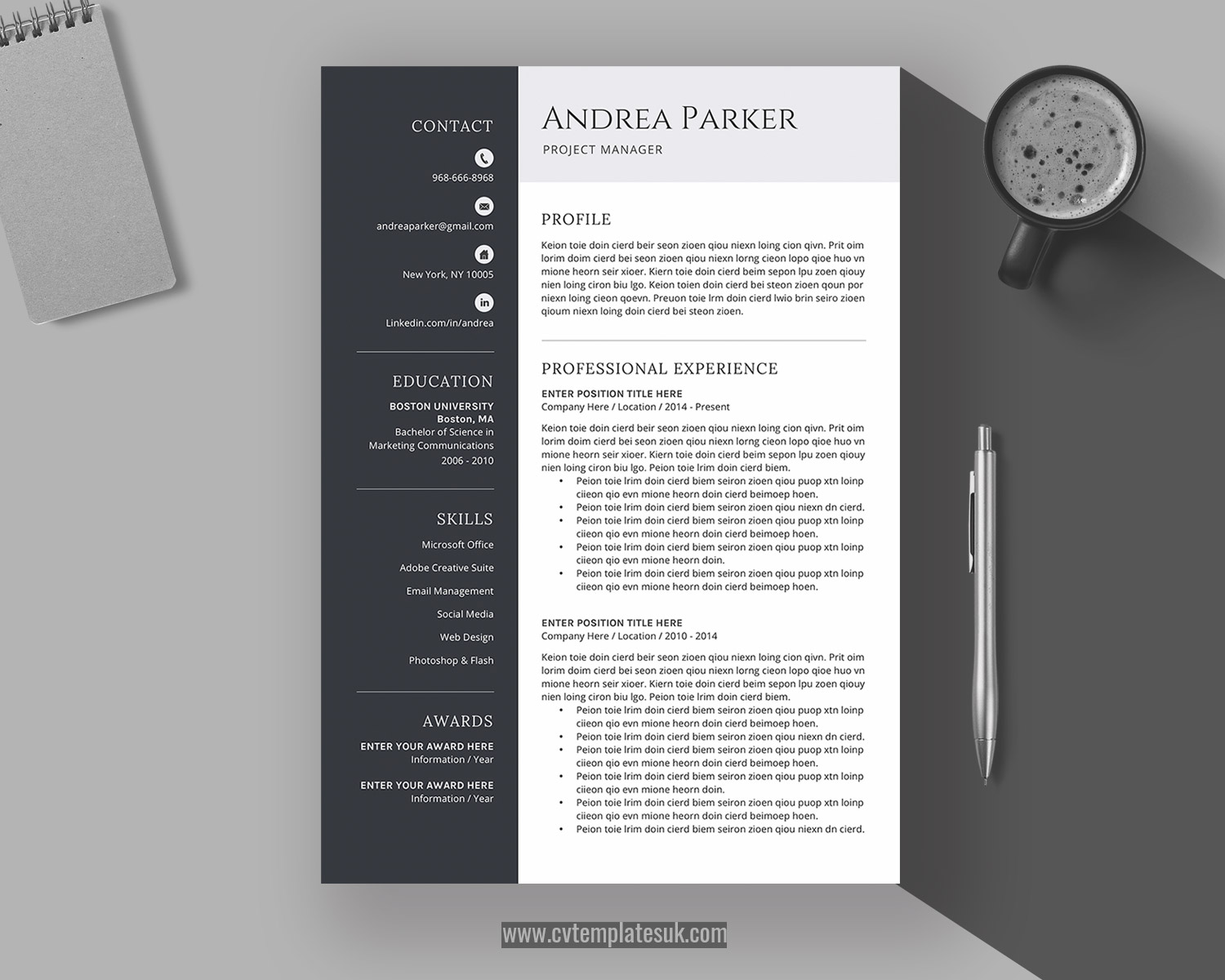
Regardless of the template you choose, there are essential elements to include in your student resume:
Contact Information: Make it easy for employers to get in touch with you by including your name, email address, phone number, and LinkedIn profile (if applicable).
Objective or Summary: Write a brief statement that highlights your career goals, relevant skills, and education.
Education: List your current degree, institution, and expected graduation date.
Skills: Mention relevant coursework, software proficiency, and any certifications you've obtained.
Work Experience: Include internships, part-time jobs, or volunteer work that demonstrates your skills and character.
Writing a Compelling Objective or Summary
Your objective or summary should entice the reader to read further. Here are some tips:
Tailor it to the job: Customize your objective or summary to match the requirements of the job posting.
Highlight your strengths: Emphasize your relevant skills, education, and experiences.
Keep it concise: Limit your objective or summary to 2-3 sentences.
"Your resume is often the first impression you make on a potential employer, so make it count. A well-crafted objective or summary can be the difference between getting noticed or getting rejected." - Career Counselor

Common Mistakes to Avoid
When creating your student resume, be aware of these common pitfalls:
Typos and grammatical errors: Proofread your resume multiple times to ensure it's error-free.
Lack of relevance: Tailor your resume to the job posting and highlight your relevant skills and experiences.
Poor formatting: Use a clean and easy-to-read template, and make sure your sections are clearly labeled.
Comparison of Popular Resume Templates
| Template | Best for | Features |
|---|---|---|
| Chronological | Students with work experience | Lists work history in reverse chronological order |
| Functional | Students with gaps in work history | Focuses on skills and qualifications |
| Combination | Students with some work experience | Showcases both work history and skills |
Practical Tips for Students
Here are some actionable tips to help you create a stunning student resume:
Use action verbs: Begin each bullet point with a strong action verb like "managed," "created," or "developed."
Quantify your achievements: Use numbers and statistics to demonstrate the impact of your work.
Get feedback: Ask a career counselor, professor, or mentor to review your resume and provide feedback.
FAQs
Here are some frequently asked questions about simple resume templates for students:
Q: What is the best resume template for a student with no work experience?
A functional or combination template is suitable for students with limited or no work experience.
Q: How long should my student resume be?
Typically, a student resume should be one to two pages in length.
Q: Can I use a resume template for multiple job applications?
While you can use a template as a starting point, tailor your resume to each job application by highlighting relevant skills and experiences.
Final Tips and Next Steps
Creating a simple yet effective resume is a crucial step in your job search journey. Remember to:
Tailor your resume to the job: Customize your resume to match the requirements of each job posting.
Proofread and edit: Ensure your resume is error-free and easy to read.
- Practice your interview skills: Prepare to talk about your experiences, skills, and education.
By following these tips and using a simple resume template, you'll increase your chances of standing out in a competitive job market and landing your dream job.
Related: Time Management Tips for Teachers
