

Starting a small business can be both thrilling and intimidating, especially for beginners. With so many ideas and possibilities, it's easy to get overwhelmed. However, with the right mindset, guidance, and support, you can turn your entrepreneurial dreams into a successful reality. In this article, we'll explore five essential things to know about starting small businesses for beginners, covering practical ideas, key considerations, and valuable insights to help you get started.
Understanding Your Motivations and Goals
Before diving into the world of small business ownership, it's crucial to understand your motivations and goals. What drives you to start a business? Are you looking for financial freedom, creative expression, or a sense of purpose? Clarifying your objectives will help you make informed decisions and stay focused on what matters most. Take some time to reflect on your strengths, weaknesses, and passions. What are your core values, and how do they align with your business aspirations?
For instance, let's say you're passionate about baking and want to start a small business selling artisanal treats. Your goal might be to create a loyal customer base and generate a steady income. With a clear understanding of your motivations and goals, you can develop a business plan that aligns with your vision and helps you achieve success.
Identifying Beginner-Friendly Small Business Ideas
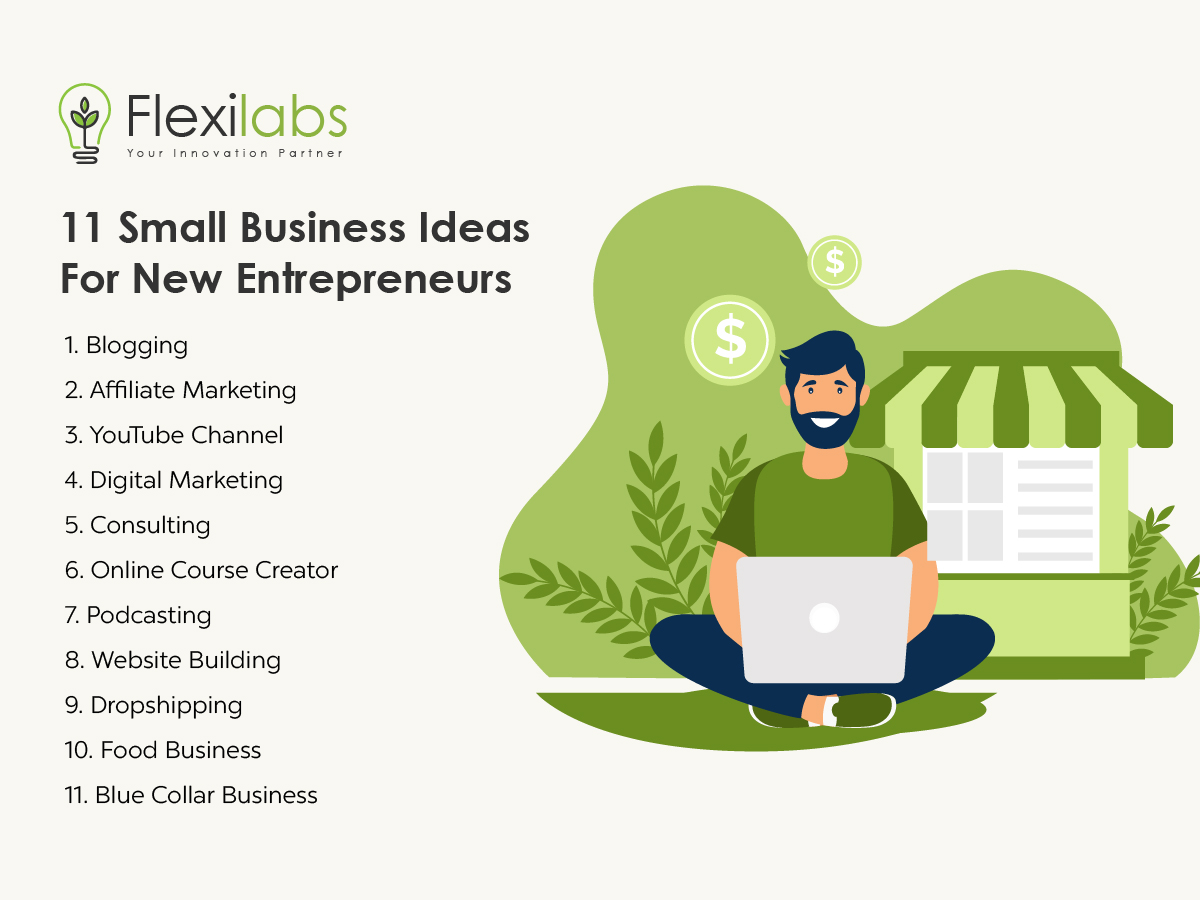
Not all business ideas are created equal, especially for beginners. Some require significant upfront investments, while others demand specialized skills or experience. When starting small, it's essential to focus on ideas that are beginner-friendly, scalable, and relatively low-risk. Here are a few examples:
Online services: virtual assistance, social media management, or freelance writing
Home-based businesses: baking, crafting, or pet-sitting
E-commerce: selling products on platforms like Etsy, eBay, or Amazon
Service-based businesses: house cleaning, lawn care, or tutoring
When evaluating business ideas, consider the following factors:
Initial investment: How much money do you need to get started?
Skill level: Do you have the necessary skills and expertise?
Competition: How saturated is the market, and how can you differentiate yourself?
Growth potential: Can your business scale, and how?
Creating a Solid Business Plan
A business plan is a roadmap for your entrepreneurial journey. It helps you clarify your goals, outline strategies, and make informed decisions. A solid business plan should cover essential elements, such as:
Executive summary: a brief overview of your business and goals
Market analysis: an assessment of your target market, competition, and industry trends
Products or services: a description of what you offer and how it meets customer needs
Marketing and sales: a plan for promoting and selling your products or services
Financial projections: income statements, balance sheets, and cash flow forecasts
Don't feel overwhelmed if this sounds like a lot to tackle. You can start with a simple business plan template and refine it as you go along.
Navigating Finances and Funding
Finances can be a significant challenge for small business owners, especially beginners. It's essential to understand your funding options, manage cash flow, and make smart financial decisions. Here are a few key considerations:
Bootstrapping: using your savings or revenue to fund your business
Crowdfunding: raising money from a large number of people, typically through online platforms
Small business loans: borrowing from banks, credit unions, or alternative lenders
Grants and subsidies: exploring government programs or non-profit organizations that support small businesses
When managing your finances, keep the following tips in mind:
Track your expenses: monitor your income and expenses to stay on top of your cash flow
Create a budget: allocate your resources wisely and make smart financial decisions
Build an emergency fund: save for unexpected expenses and revenue shortfalls
Building a Support Network
As a small business owner, you don't have to go it alone. Building a support network can provide valuable guidance, encouragement, and resources. Here are a few ways to connect with others:
Join online communities: participate in forums, social media groups, or online courses
Attend networking events: meet other entrepreneurs, industry experts, and potential partners
Find a mentor: connect with someone experienced in your industry or niche
Collaborate with peers: partner with fellow business owners on projects or initiatives
FAQ
Q: What are the best small business ideas for beginners with limited funds?
Consider online services, home-based businesses, or e-commerce ventures that require minimal upfront investments.
Q: How do I create a business plan if I have no experience?
Start with a simple template, research your market and competition, and seek guidance from mentors or online resources.
Q: Can I start a small business while working a full-time job?
Yes, but be sure to manage your time effectively, prioritize your responsibilities, and plan for potential conflicts of interest.
Q: What are the most important skills for small business owners to have?
Key skills include communication, marketing, financial management, and problem-solving.
Conclusion
Starting a small business as a beginner can be both exciting and challenging. By understanding your motivations and goals, identifying beginner-friendly business ideas, creating a solid business plan, navigating finances and funding, and building a support network, you'll be well-equipped to launch and grow a successful venture. Remember to stay focused, adapt to changes, and continuously learn and improve. With persistence, hard work, and the right guidance, you can turn your entrepreneurial dreams into a thriving reality.
Related: Mastering Trouble Time Management: 10 Essential Tips
Related: 5 Useful Things to Know About Free Resume Template Downloads
Related: Small Business Ideas for Women: A Practical Guide to Success
Related: A Practical Guide to Free Resume Templates for Download
Related: Best Online Business Ideas for Beginners
Related: What to Know About Free Marketing Ideas for Small Business
Related: Free Content Calendar Template for Efficient Planning
Related: Side Hustle Ideas Australia: Turn Your Passion into Profit
