
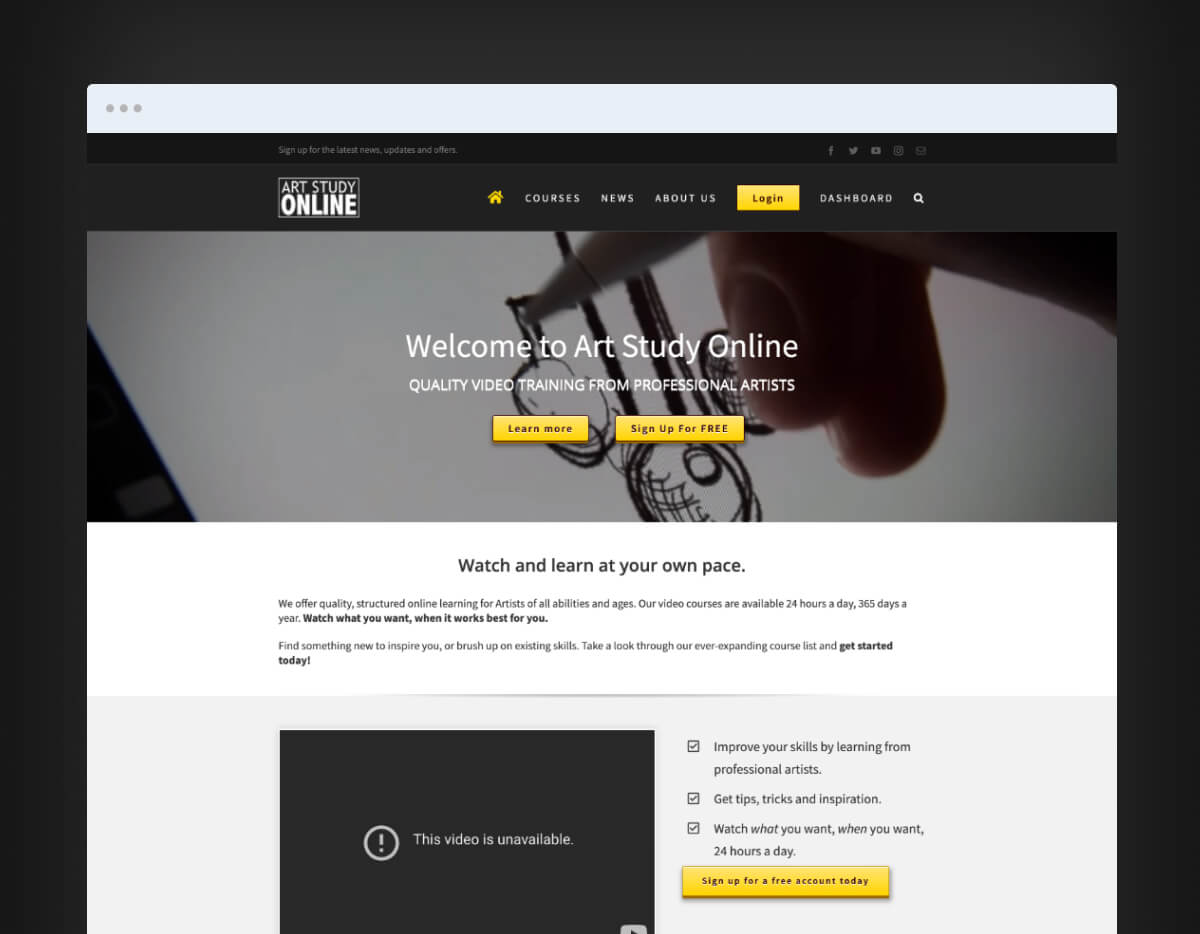
Study Art Online: What Actually Makes Sense?
Finding the Right Online Art Course
When it comes to studying art online, the sheer number of options can be overwhelming. From comprehensive degree programs to short, skill-specific courses, it's essential to find a program that fits your goals, schedule, and budget. A good starting point is to identify what you want to achieve through online study. Are you a beginner looking to explore different art styles, or an experienced artist seeking to refine specific skills?
Consider platforms like Skillshare, Craftsy, and Udemy, which offer a wide range of art courses. These platforms often provide free trials or sample classes, allowing you to test the waters before committing. Look for courses with high ratings, detailed descriptions, and clear learning objectives.
Setting Up Your Online Art Studio
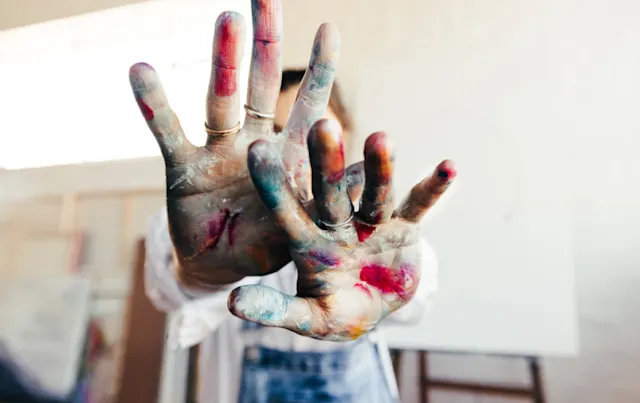
Studying art online requires a dedicated workspace. This doesn't mean you need a professional studio, but you do need a comfortable, well-equipped area to create. Start with the basics: good lighting, a sturdy table or desk, and a comfortable chair. Invest in essential art supplies, such as a digital drawing tablet, sketchbooks, pencils, and paints.
Consider the technical aspects of your setup. A fast, reliable computer or laptop is crucial for online learning, especially if you're taking courses that involve digital art software. A graphics tablet can be a valuable investment, allowing you to create digital art with precision.
Staying Motivated and Engaged
One of the biggest challenges of studying art online is staying motivated. Without the structure of a traditional classroom, it's easy to fall behind or lose interest. To combat this, set clear goals and deadlines for yourself. Break your study sessions into manageable chunks, focusing on one skill or project at a time.
Join online art communities or forums to connect with fellow artists. Share your work, ask for feedback, and learn from others. Platforms like Instagram and DeviantArt can be great resources for showcasing your art and getting inspiration from others.
Learning from the Best: Online Art Courses and Tutorials
| <strong>Course Platform</strong> | <strong>Course Type</strong> | <strong>Price Range</strong> | <strong>Level</strong> |
|---|---|---|---|
| Skillshare | Subscription-based | $10-$15/month | Beginner-Advanced |
| Craftsy | Individual courses | $10-$50/course | Beginner-Intermediate |
| Udemy | Individual courses | $10-$200/course | Beginner-Advanced |
| New Masters Academy | Subscription-based | $20-$50/month | Intermediate-Advanced |
Overcoming Common Challenges
Studying art online can come with its own set of challenges. Here are a few common obstacles and some advice on overcoming them:
Technical issues: Invest in a good computer and internet connection. Familiarize yourself with digital art software and have a backup plan in case of technical issues.
Self-doubt: Join online communities and share your work to get feedback and support. Celebrate your progress, no matter how small.
- Lack of feedback: Seek out online mentors or coaches who can provide constructive feedback. Use online resources, such as video tutorials and blogs, to supplement your learning.
Building a Community: Connecting with Fellow Artists
While studying art online can be a solitary experience, it's essential to connect with fellow artists. Join online forums, social media groups, or online art clubs to share your work, get feedback, and learn from others. Attend online workshops, webinars, or conferences to network with artists and learn from industry experts.
Frequently Asked Questions
Q: What are the best online platforms for studying art?
Popular platforms include Skillshare, Craftsy, Udemy, and New Masters Academy. Each offers a range of courses and tutorials, so it's essential to explore and find the one that best fits your needs.
Q: Do I need to have prior art experience to study art online?
Not necessarily. Many online courses cater to beginners, providing a solid foundation in art techniques and principles.
Q: How can I stay motivated while studying art online?
Set clear goals and deadlines, join online art communities, and share your work with others to get feedback and support.
Q: Can I get a formal art degree through online study?
While some online programs offer degree paths, it's essential to research the institution and program thoroughly to ensure it's accredited and reputable.
Final Tips and Encouragement
Studying art online requires dedication, persistence, and a willingness to learn. By finding the right course, setting up a comfortable workspace, and staying motivated, you can improve your skills and achieve your artistic goals. Don't be afraid to experiment, take risks, and try new things. With the right mindset and resources, you can succeed in the world of online art study.
Related: A Practical Guide to Free Word Resume Templates Online
