
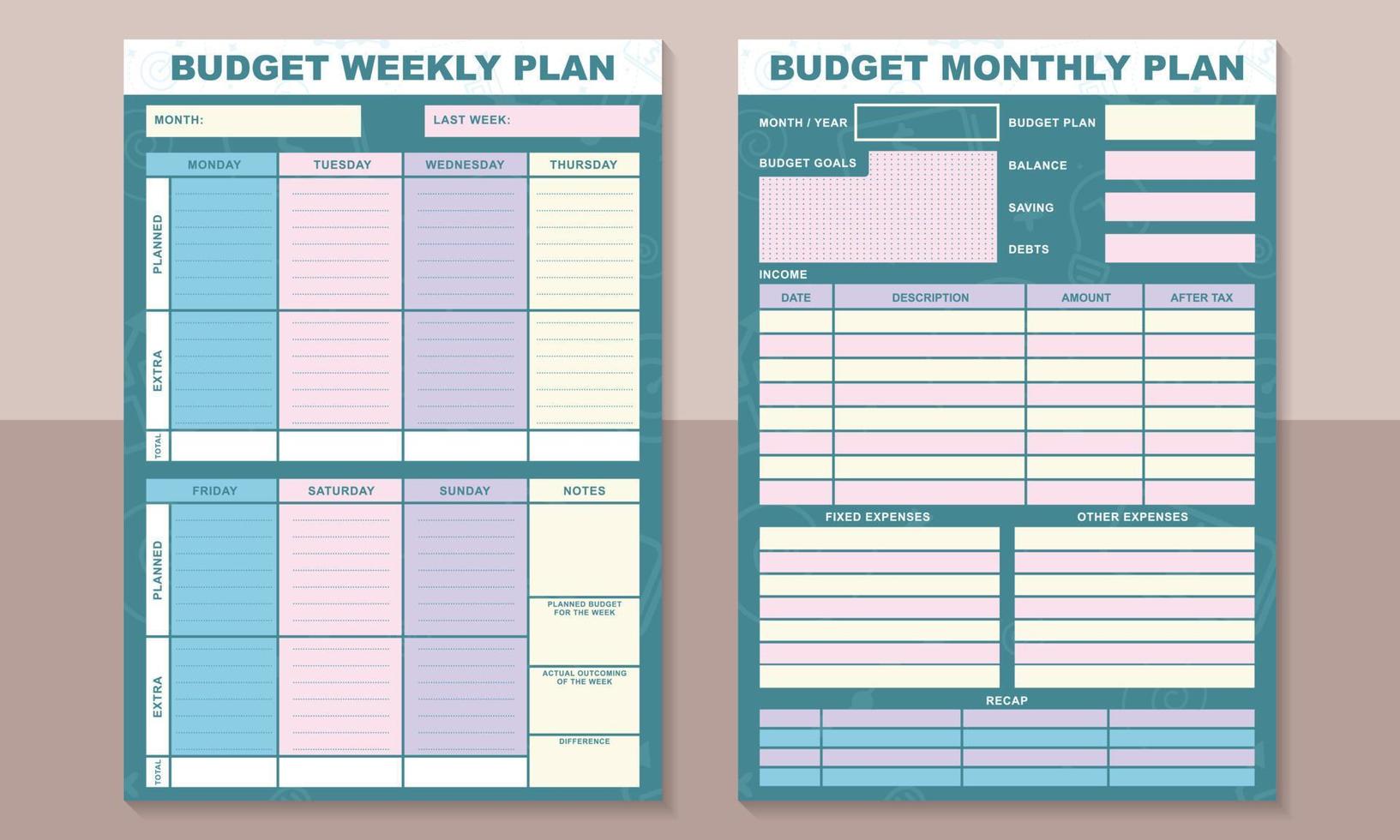
As the month begins, many of us feel a sense of financial anxiety, wondering how we'll make ends meet or if we'll be able to save for our goals. The key to alleviating this stress lies in effective budget planning. By creating a realistic and achievable budget, you can take control of your finances, make informed decisions, and build a stable financial future. In this article, we'll explore practical monthly budget planning tips to help you manage your expenses, increase your savings, and achieve financial stability.
Understanding Your Financial Situation
Before creating a budget, it's essential to understand your current financial situation. This involves tracking your income and expenses to identify areas where you can cut back and allocate funds more efficiently. For one month, write down every single transaction you make, including small purchases like coffee or snacks. This exercise will help you recognize spending patterns, identify unnecessary expenses, and make conscious financial decisions.
At the end of the month, categorize your expenses into needs (housing, food, utilities), wants (entertainment, hobbies), and debt payments (credit cards, loans). This exercise will give you a clear picture of your financial situation and help you prioritize your spending.
Setting Financial Goals
With a clear understanding of your financial situation, it's time to set realistic goals. What do you want to achieve through budget planning? Do you want to pay off debt, build an emergency fund, or save for a specific goal, like a down payment on a house? Your goals will guide your budgeting decisions and help you stay motivated.
Consider using the SMART goal framework:
Specific: Clearly define what you want to achieve.
Measurable: Quantify your goals to track progress.
Achievable: Ensure your goals are realistic and attainable.
Relevant: Align your goals with your values and priorities.
Time-bound: Set deadlines for achieving your goals.
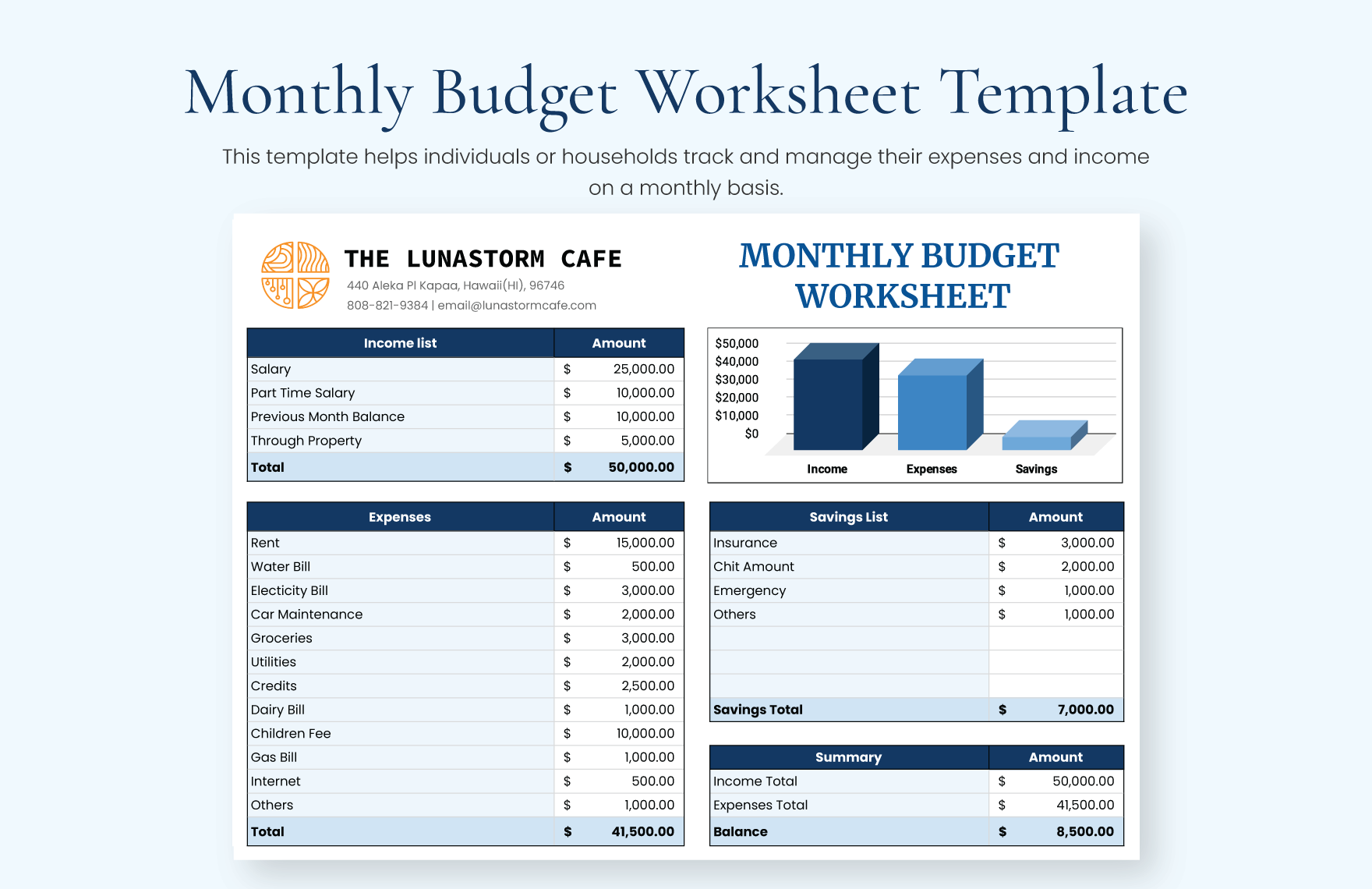
Creating a Budget Framework
A budget framework is a structure that helps you allocate funds to different expense categories. A popular framework is the 50/30/20 rule:
50%: Allocate funds to necessary expenses (housing, utilities, food, transportation).
30%: Assign funds to discretionary spending (entertainment, hobbies).
20%: Use for saving and debt repayment.
However, this framework might not work for everyone. Consider using a budgeting app or spreadsheet to track your expenses and create a customized framework that suits your needs.
Practical Monthly Budget Planning Tips
Here are some practical tips to help you manage your expenses and achieve financial stability:
Prioritize needs over wants: Be honest about what you need versus what you want. Make sure to prioritize essential expenses over discretionary spending.
Automate savings: Set up automatic transfers to your savings or investment accounts to make saving easier and less prone to being neglected.
Use the envelope system: Divide your expenses into categories (e.g., dining out, entertainment) and place the corresponding budgeted amount into labeled envelopes. This visual system helps you stick to your budget and avoid overspending.
Take advantage of employer matching: If your employer offers a 401(k) or other retirement plan matching program, contribute enough to maximize the match. This is essentially free money that can significantly boost your savings.
Managing Debt and Credit
Debt can be a significant obstacle to achieving financial stability. Here are some tips to help you manage debt and credit:
Focus on high-interest debt: Prioritize paying off high-interest debt, such as credit card balances, as soon as possible.
Consolidate debt: If you have multiple debts with high interest rates, consider consolidating them into a single loan with a lower interest rate.
Monitor your credit report: Check your credit report regularly to ensure it's accurate and up-to-date. A good credit score can help you qualify for lower interest rates and better loan terms.
Building an Emergency Fund
An emergency fund is a critical component of financial stability. It provides a safety net for unexpected expenses, such as car repairs or medical bills. Here are some tips to help you build an emergency fund:
Start small: Aim to save $1,000 or one month's worth of expenses initially.
Make it automatic: Set up automatic transfers to your emergency fund to make saving easier and less prone to being neglected.
Use a separate account: Keep your emergency fund separate from your everyday spending account to avoid commingling funds.
Frequently Asked Questions
Q: How often should I review and adjust my budget?
Review your budget regularly, ideally every 3-6 months, to ensure you're on track to meet your financial goals. Adjust your budget as needed to reflect changes in income, expenses, or goals.
Q: What if I'm struggling to make ends meet?
If you're struggling to make ends meet, consider seeking assistance from a non-profit credit counseling agency or a financial advisor. They can help you create a personalized plan to manage debt and improve your financial situation.
Q: Can I use budgeting apps to track my expenses?
Yes, budgeting apps like Mint, Personal Capital, or YNAB (You Need a Budget) can help you track your expenses, create a budget, and set financial goals. Find an app that suits your needs and preferences.
Q: How can I stay motivated to stick to my budget?
Share your financial goals with a trusted friend or family member and ask them to hold you accountable. Celebrate small victories along the way, and remind yourself why you started budgeting in the first place.
Conclusion
Budget planning is a journey, not a destination. By following these practical monthly tips, you can create a budget that works for you, manage your expenses, and achieve financial stability. Remember to review and adjust your budget regularly, stay motivated, and celebrate your progress. With time and discipline, you'll be on your way to achieving financial freedom and securing a brighter financial future.
Related: Budget Planning Made Easy: 5 Tips for Financial Stability
