
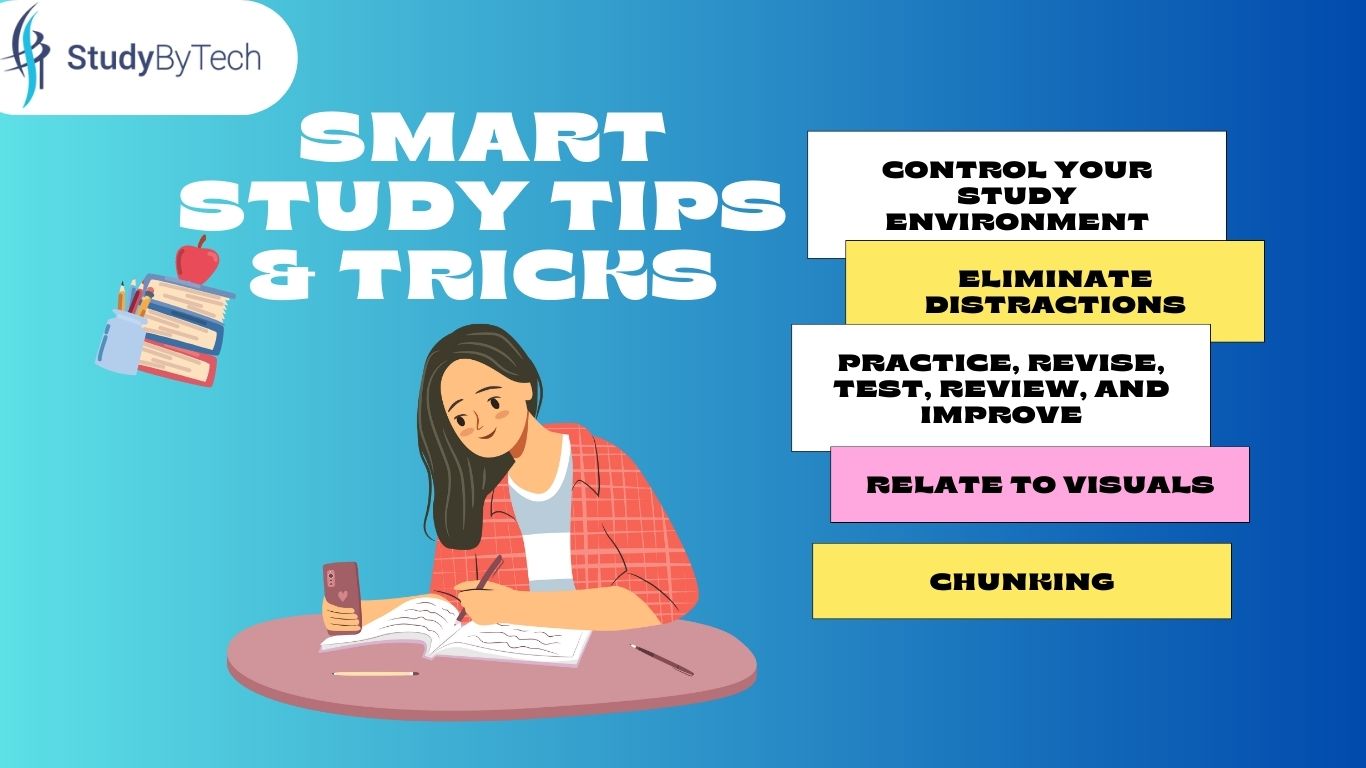
Effective exam preparation is a challenging and often daunting task for many students. With so much information to cover and limited time available, it's easy to feel overwhelmed. However, with the right study tips and strategies, you can achieve your academic goals and reduce stress.
Understanding Your Learning Style
Before diving into specific study tips, it's essential to understand your learning style. Are you a visual, auditory, or kinesthetic learner? Knowing your learning style can help you tailor your study approach to retain information better. For instance, if you're a visual learner, you may benefit from diagrams, flowcharts, and videos. On the other hand, if you're an auditory learner, you may prefer listening to lectures, podcasts, or audiobooks.Time Management and Organization
Effective time management is critical for exam preparation. Create a study schedule that allows you to cover all the material without cramming. Break down your study sessions into manageable chunks, focusing on one subject or topic at a time. Use a planner, calendar, or app to stay organized and on track.Prioritizing Tasks
To maximize your study time, prioritize tasks based on their importance and urgency. Focus on the most critical topics or areas where you need improvement. Use the Eisenhower Matrix to categorize tasks into four quadrants: urgent and important, important but not urgent, urgent but not important, and not urgent or important.Active Learning Strategies
Active learning strategies are essential for retaining information and engaging with the material. Some effective strategies include: Summarizing notes in your own words
Creating concept maps or flashcards
Making self-testing quizzes
Discussing topics with peers or study groups
Applying theoretical concepts to real-world scenarios
Retention and Recall Techniques
Retention and recall techniques can help you remember information more effectively. Some strategies include: Repetition: Repeat information out loud or to yourself to reinforce learning
Spaced repetition: Review material at increasingly longer intervals to help solidify it in your long-term memory
Chunking: Break down complex information into smaller, more manageable chunks
Mnemonics: Use associations, acronyms, or rhymes to aid memory
Comparison of Study Techniques
The following table compares different study techniques, their benefits, and potential drawbacks:| Study Technique | Benefits | Drawbacks |
|---|---|---|
| Flashcards | Portable, easy to review, and can be used anywhere | Limited to simple information, may not aid in-depth understanding |
| Mind Maps | Visual, helps with organization, and can aid creativity | Can be time-consuming, may be difficult to review |
| Summarization | Improves retention, helps with organization, and can aid in review | May not be effective for complex information, requires critical thinking |
| Self-Testing | Improves retention, helps identify areas for improvement, and can aid in review | Can be time-consuming, may be stressful |
"The key to successful exam preparation is not just about studying hard, but also about studying smart. By understanding your learning style, managing your time effectively, and using active learning strategies, you can achieve your academic goals with less stress."
Overcoming Procrastination and Distractions
Procrastination and distractions are common challenges that can hinder exam preparation. To overcome these obstacles, try the following: Break tasks into smaller steps: Divide large tasks into smaller, manageable chunks
Create a conducive study environment: Eliminate distractions by studying in a quiet, comfortable space
Use the Pomodoro Technique: Work in focused 25-minute increments, followed by a 5-minute break
Reward yourself: Set small rewards for achieving study milestones
Maintaining Motivation and Well-being
Maintaining motivation and well-being is crucial during exam preparation. Make sure to: Get enough sleep: Aim for 7-9 hours of sleep per night to help consolidate information
Exercise regularly: Regular physical activity can improve focus, reduce stress, and boost mood
Eat a balanced diet: Fuel your brain with a healthy, balanced diet
- Take breaks: Take regular breaks to relax, recharge, and avoid burnout
Frequently Asked Questions
Q: How can I stay motivated during exam preparation?
To stay motivated, set specific goals, reward yourself for achieving milestones, and remind yourself of the importance of your academic goals.
Q: What are some effective ways to manage stress during exams?
To manage stress, try relaxation techniques such as deep breathing, meditation, or yoga. Regular exercise, healthy eating, and adequate sleep can also help.
Q: How can I improve my retention and recall of information?
To improve retention and recall, use active learning strategies such as summarization, self-testing, and spaced repetition.
Q: What are some common mistakes to avoid during exam preparation?
Common mistakes to avoid include procrastination, lack of organization, and not seeking help when needed.
Conclusion
Effective exam preparation requires a strategic approach, including understanding your learning style, managing your time effectively, and using active learning strategies. By incorporating these study tips into your daily routine, you can achieve your academic goals, reduce stress, and maintain your overall well-being.Related: A Practical Guide to Finding the Latest Resume Template Free
